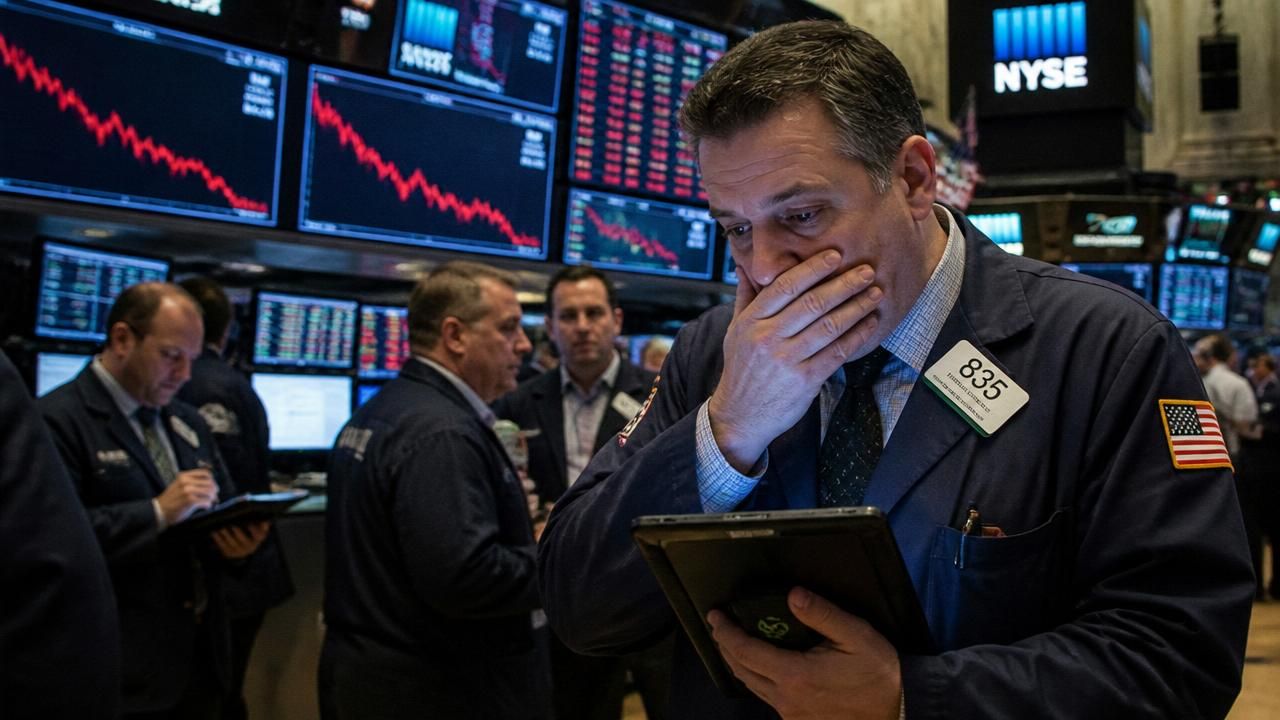
Wall Street endured a volatile week as escalating conflict between the US and Iran sent shockwaves through global markets, with the S&P 500 slumping for the fourth time in five days before staging a late-week rebound. The turbulence, driven by surging oil prices and a brutal sell-off in technology stocks, underscored investors' anxiety over geopolitical instability and its economic fallout.
Oil Spike and Tech Rout Rock Markets
On Wednesday, the S&P 500 fell sharply, extending a losing streak that wiped out gains from its best day in weeks, according to Bloomberg Markets. The decline was fueled by a jump in oil prices—crude surged over 5%—as the US-Iran conflict escalated, raising fears of supply disruptions. The energy sector provided some support, but declines in Big Tech heavyweights dragged the index lower. The Nasdaq Composite confirmed a correction, closing more than 10% below its recent high, as Reuters reported that Middle East uncertainty triggered the worst tech sell-off since April.
“The market is reacting to a perfect storm of geopolitical risk and valuation concerns in tech,” said a strategist at a major investment bank. “Investors are rotating out of high-growth names into defensive plays, but the oil spike is adding a layer of inflation fear.”
Volatility Persists Amid Conflicting Headlines
The week’s narrative shifted rapidly. Early in the week, hopes of a de-escalation in the Iran conflict briefly lifted markets, with the S&P 500 snapping a five-week losing streak with a 3.4% tech-led surge, as noted by FinancialContent. However, the relief proved short-lived. By midweek, the Guardian reported that US markets saw their biggest slump since the start of the US-Israel war on Iran, with oil and gas prices driving the sell-off. The Dow Jones Industrial Average also suffered, falling over 400 points at its worst.
Yet by Thursday, Reuters noted that Wall Street ended higher as hopes of a diplomatic resolution to the Iran crisis offset inflation fears. The whipsaw action left traders exhausted, with the CBOE Volatility Index (VIX) spiking above 30 before retreating.
Expert Views: Recession Risks vs. Resilience
Investopedia gathered expert opinions on the economy and markets amid the Iran conflict. Some economists warned that sustained oil price increases could tip the US into recession, while others argued that the economy’s fundamentals remain resilient. “The direct impact of higher oil prices is manageable, but the uncertainty is corrosive,” said one analyst. “Businesses may delay investment, and consumer spending could weaken if gasoline prices stay elevated.”
Meanwhile, the tech sector faced its own headwinds. Amazon stock slumped despite the company dethroning Walmart as the largest retailer by market cap, according to a report from Investors.com (though access was restricted). The broader tech sell-off was exacerbated by profit-taking after a strong run earlier in the year.
Historical Context: Oil Shocks and Market Turmoil
The current episode echoes past geopolitical crises that sent oil prices soaring, such as the 1990 Gulf War and the 2003 Iraq invasion. In both cases, markets initially plunged but recovered once the conflict’s scope became clear. However, the present situation is complicated by the tech sector’s high valuations and the Federal Reserve’s tightening cycle. “This is not just about Iran,” said a market historian. “We have a Fed that is still fighting inflation, and a tech sector that was priced for perfection. The correction was overdue.”
What’s Next for Investors?
As the week closed, markets stabilized on hopes of a ceasefire, but analysts caution that volatility is likely to persist. The S&P 500’s late-week rally recovered some losses, but the index remains down for the month. Key levels to watch include the 200-day moving average for the S&P 500 and the 50-day moving average for the Nasdaq. If oil prices continue to climb, energy stocks may offer a hedge, but broader market gains depend on a de-escalation in the Middle East.
In summary, this week’s market action reflects a tug-of-war between geopolitical fear and economic resilience. Investors are advised to stay diversified and avoid making impulsive bets based on daily headlines.