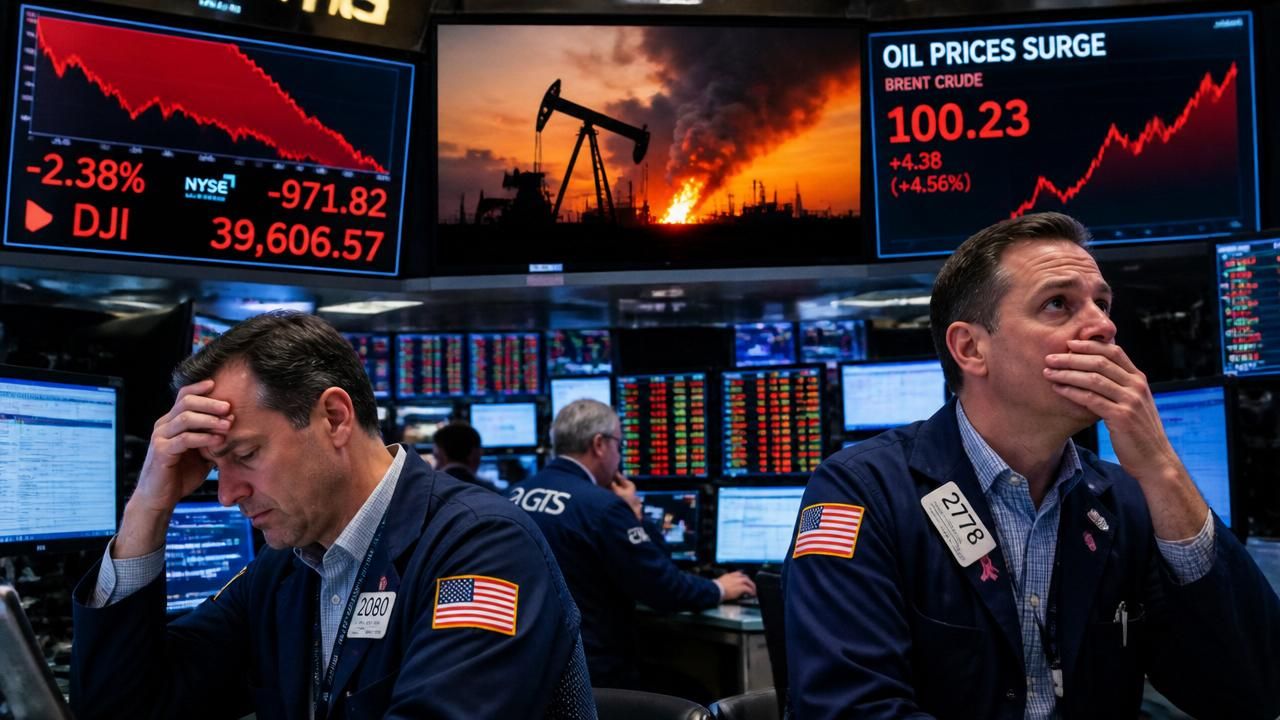
Global financial markets are in turmoil as a surge in oil prices, fueled by escalating tensions between the United States and Iran, has reignited inflation fears and sent bond yields soaring to multi-year highs. The 10-year U.S. Treasury yield hit its highest level in two months, while the 30-year yield reached levels not seen since 2007, according to reports from Bloomberg and the Chosun Ilbo. Japan's 30-year bond yield also hit a record high, as reported by Bloomberg and Inkl, reflecting a worldwide repricing of risk.
Oil Prices Surge on Geopolitical Risks
Crude oil prices jumped to their highest in over a month, with Brent crude briefly topping $100 per barrel, as the U.S. blockade on Iranian oil exports stoked supply fears. The Strait of Hormuz, a critical chokepoint for global oil shipments, has become a flashpoint. Reports from Global Banking and Finance and CNBC highlighted that the blockage is also rattling other vital commodities, including fertilizers, raising concerns about food security. The Guardian noted that the Middle East crisis is pushing up oil prices and could drive inflation higher, while Reuters reported that LNG shipping rates hit multi-month highs due to tighter vessel availability and winter demand.
Bond Yields Soar, Stocks Plunge
The spike in oil prices has revived fears that the Federal Reserve will be forced to raise interest rates further to combat inflation. According to Bloomberg Markets, U.S. Treasuries fell sharply, pushing 10- and 30-year yields to two-month highs. The Financial Times reported that U.S. Treasury yields climbed as Fed worries sparked a global sell-off. This has had a severe impact on equity markets. CNN reported that the Nasdaq and S&P 500 suffered their worst day of the year, with AI stocks tumbling. Reuters noted that U.S. stocks posted their biggest drop since 2020, while the dollar fell as Trump tariffs fueled recession fears. The Dow, S&P 500, and Nasdaq all tumbled, as rising yields and tariff uncertainty rattled markets, according to Yahoo Finance.
Divergent Perspectives on the Crisis
Different outlets have framed the story in contrasting ways. The Guardian highlighted a potential breakthrough in Iran deal negotiations that could lower oil prices, while Reuters and others focused on the immediate supply shock. Some sources, like MSN, reported gold dropping below $4,000 as rising yields dented its appeal, while Reuters noted gold was en route to a weekly dip. The dollar hit a one-year high on Fed hike bets, according to Reuters, but later fell as Treasury yields retreated. Japan warned on the yen's weakness, as reported by Reuters.
Historical Context and Expert Views
Seeking Alpha analyzed historical oil surges, suggesting that equity returns tend to suffer in the year following such spikes. The current situation echoes previous oil shocks, such as those in 1973 and 2008, which led to recessions. Experts quoted by various sources warn that if oil prices remain elevated, central banks may have little choice but to tighten policy further, potentially tipping economies into contraction. The impact is being felt globally: Japan's 30-year bond yields hit record highs, the UK paid the highest yield for a 10-year gilt sale since 2008, and European power crunches are causing aluminium smelter meltdowns, as reported by Reuters.
Implications for Investors and Policymakers
The convergence of rising oil prices, geopolitical instability, and inflation fears presents a challenging environment for investors. Morningstar highlighted what a Fed rate hike could mean for key stock sectors, while CNBC Africa noted that stocks rose on lower oil prices, though the Iran conflict clouds the outlook. The situation remains fluid, with markets reacting to every twist in U.S.-Iran relations and central bank signals. Policymakers face a delicate balancing act: containing inflation without stifling growth, all while navigating a volatile geopolitical landscape.