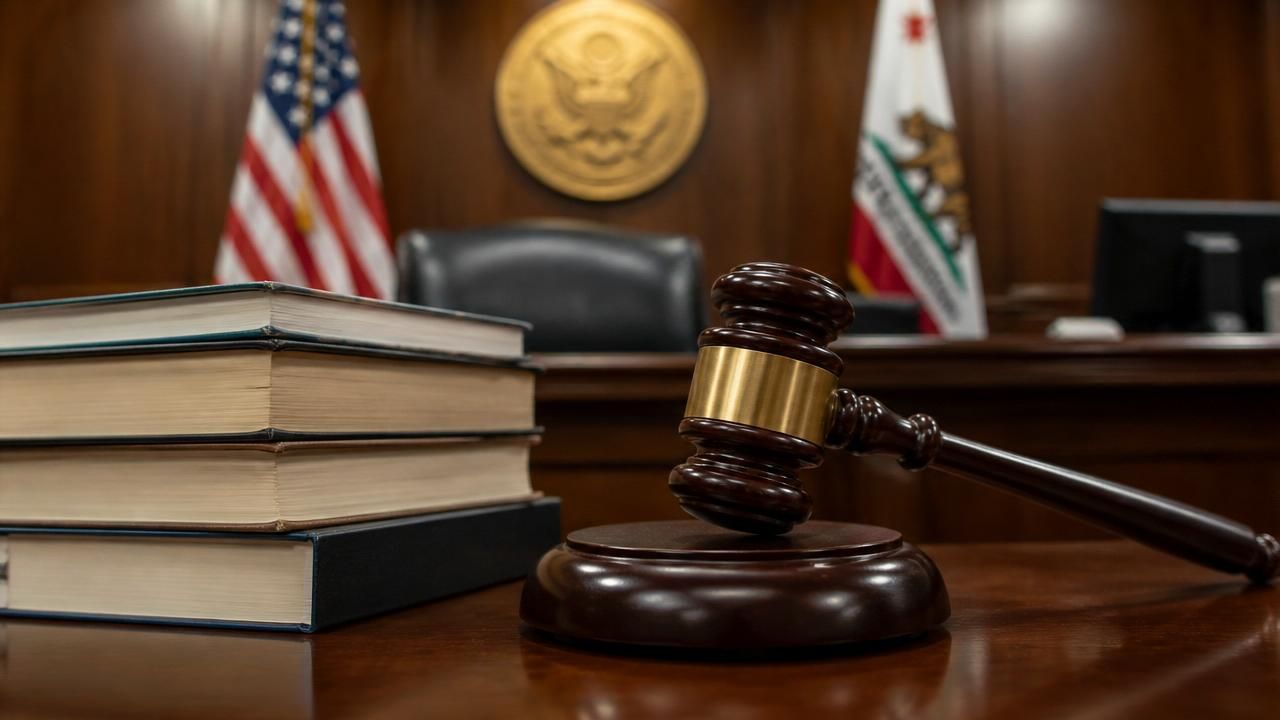
A federal judge has approved Anthropic's $1.5 billion class action settlement with authors who accused the company of using copyrighted books to train its AI models, marking the largest copyright recovery in U.S. history. The ruling, issued by Judge Araceli Martínez-Olguín of the U.S. District Court for the Northern District of California, provides authors approximately $3,000 per pirated book and resolves a lawsuit that has become a bellwether for the AI industry's use of copyrighted material.
The Settlement: Key Details
The settlement, first reported by Reuters and covered by outlets including The Verge, Ars Technica, and The Guardian, stems from a 2023 lawsuit filed by authors Andrea Bartz, Charles Graeber, and Kirk Wallace Johnson. They alleged that Anthropic copied tens of thousands of books without permission to train its Claude chatbot. Under the terms, Anthropic will pay $1.5 billion into a fund for affected authors, with individual payments of about $3,000 per book. The law firm representing the plaintiffs called it the "largest known copyright recovery in history."
Judge Martínez-Olguín wrote that the settlement provides "meaningful relief" to authors, though she reduced the requested attorneys' fees by $86 million, according to Law.com. The deal also includes a provision that it does not set a binding precedent on fair use, a point emphasized by multiple sources including Reuters and Vox.
Reactions and Controversy
While the settlement was approved, it was not without controversy. Some authors and critics argued that the claims process is overly complex and that the payout per book is too low. Vox described the process as a "Kafkaesque mess," noting that authors must file individual claims and provide proof of infringement. Ars Technica reported that the judge initially delayed approval, with one objector claiming the settlement was being shoved "down the throat of authors."
Anthropic, for its part, did not admit wrongdoing. The company stated that it settled to avoid prolonged litigation and to focus on AI safety research. The settlement covers only the named class and does not resolve broader fair use questions that could affect other AI companies, such as OpenAI and Google.
Broader Implications for AI and Copyright
The case has been closely watched as a test of how copyright law applies to AI training. The settlement leaves unresolved the fundamental question of whether training AI on copyrighted works constitutes fair use. As BitcoinWorld noted, "the key AI fair use question remains unsettled." This ambiguity has led to a flurry of other lawsuits, including a separate $75 million claim against Anthropic, as reported by Yahoo Finance.
Legal experts, such as those writing for Kluwer Copyright Blog, have called the settlement a "speeding ticket" for Anthropic—a costly but non-precedential resolution that allows the company to move forward without establishing legal precedent. The Financial Express and others have speculated about the impact on models like ChatGPT and Claude, but the ruling offers no clear guidance.
Industry and Public Response
Reactions have been mixed. Publishers Weekly noted that the settlement received preliminary approval earlier, while The New York Times and BBC highlighted the record-breaking sum. Some authors expressed relief, while others, like those quoted by The Guardian, worried that the settlement lets AI companies off the hook without accountability.
Music publishers, meanwhile, were blocked from adding lyric piracy claims to a related lawsuit against Anthropic, as reported by Billboard. This suggests that the legal landscape remains fragmented.
What's Next?
The settlement is now final, but the claims process is expected to take months. Authors must submit documentation by a deadline set by the court. Meanwhile, Anthropic faces additional litigation, including a class action from music publishers and potential regulatory scrutiny. The broader AI industry watches closely, as the lack of a fair use ruling means that similar cases against other companies will continue to test the boundaries of copyright law.
As the dust settles, one thing is clear: the $1.5 billion settlement is a landmark, but it is far from the final word on AI and copyright.