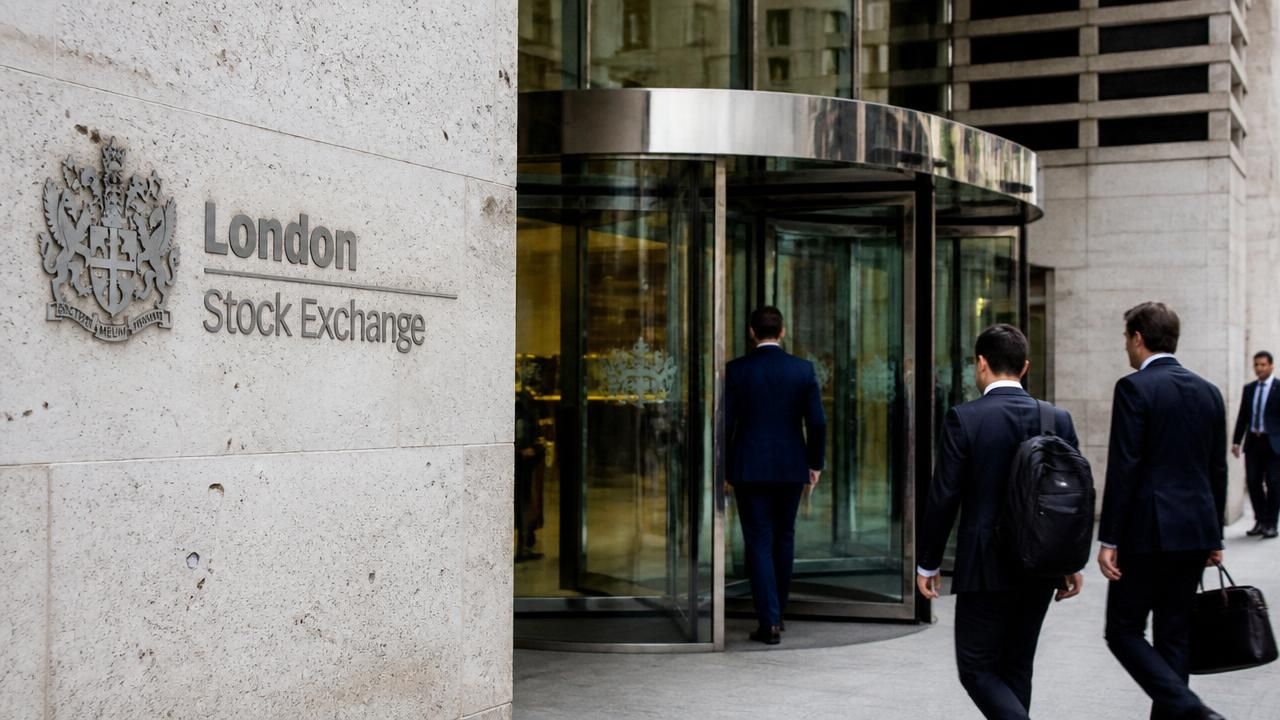
The London Stock Exchange (LSE) is set to revolutionize its trading operations by introducing a new venue offering near-continuous trading, including overnight hours, starting next year. This move, reported by multiple sources including Bloomberg and the Financial Times, aims to compete with the growing popularity of 24/7 trading platforms and cater to global investors seeking round-the-clock access.
What Is Being Proposed?
The LSE plans to launch a separate venue, tentatively referred to as 'LSE24' in some reports, that will operate outside the exchange's regular 8:00 AM to 4:30 PM London time session. While the exact hours have not been finalized, the exchange intends to offer 'near-continuous trading' that could span most of the day and night, excluding a brief maintenance window. This would allow investors to trade LSE-listed stocks and other securities during Asian and U.S. market hours, aligning with the global nature of modern finance.
Why the Shift?
The decision reflects a broader trend in financial markets toward extended trading hours. Alternative trading systems, such as those operated by retail-focused platforms like Robinhood and interactive brokers, already offer after-hours and pre-market trading. Additionally, cryptocurrency markets operate 24/7, putting pressure on traditional exchanges to adapt. The LSE's move is seen as a strategic response to retain market share and attract international listings, particularly from fast-growing companies in Asia and the Americas.
Historical Context and Implications
The LSE, founded in 1698, has long been a pillar of European finance. Its current trading hours have remained largely unchanged for decades. A shift to near-24-hour trading would be the most significant operational change in its modern history. Experts suggest this could increase liquidity, reduce volatility during market opens, and provide greater flexibility for global investors. However, concerns have been raised about potential risks, including reduced sleep for traders, increased operational costs, and the need for robust risk management systems to handle overnight trading.
'This is a natural evolution for the LSE as it seeks to remain competitive in a globalized market. Investors want the ability to react to news and events in real time, regardless of time zones,' said a market analyst quoted by Bloomberg.
Differing Perspectives from Sources
Coverage of the announcement varies by outlet. Bloomberg Markets focused on the competitive aspect, framing the move as a direct challenge to 24-hour platforms. The Financial Times emphasized the strategic importance for the LSE's position as a global financial hub. Meanwhile, MSN and AOL provided shorter summaries, highlighting the 'LSE24' branding and the exchange's ambition to 'modernize.' The Moscow Times, in a separate but related article, noted that the LSE's move could also attract listings from Russian companies seeking to bypass sanctions, though this connection was not made in the primary reports.
What Happens Next?
The LSE is expected to release further details in the coming months, including the exact launch date and trading hours. Regulatory approvals from the UK Financial Conduct Authority will also be required. If successful, the new venue could set a precedent for other major exchanges, such as the New York Stock Exchange and Euronext, to follow suit.
In summary, the London Stock Exchange's plan to introduce nonstop trading represents a landmark shift in traditional market structure. While it promises greater accessibility and competitiveness, it also raises questions about market stability and the human cost of a 24/7 trading culture. As the financial world watches, the LSE is betting that continuous access is the key to its future.