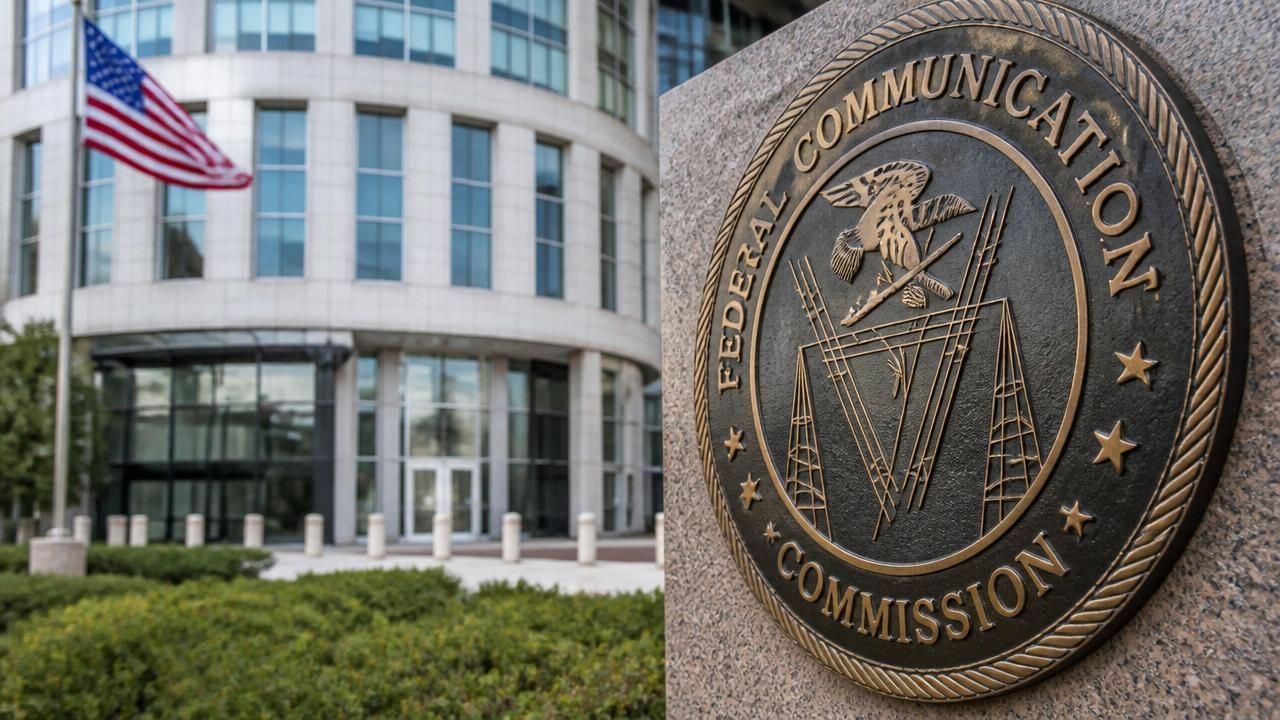
The Federal Communications Commission (FCC) is preparing to use its newfound power to retroactively ban devices that have already received approval, targeting a network of companies suspected of smuggling Chinese drone giant DJI's technology into the United States. The move marks the first time the FCC has wielded this authority since granting itself the power last October, and it signals an escalating crackdown on what the agency calls 'DJI front companies.'
Background: The FCC's New Power and DJI's Ban
In October 2023, the FCC quietly amended its rules to allow it to revoke equipment authorizations for devices that were previously approved, if they are found to pose a national security risk. This change was widely seen as a prelude to targeting DJI, the world's largest drone manufacturer, which has been under scrutiny for potential ties to the Chinese military. The U.S. government has already banned federal agencies from purchasing DJI drones, and lawmakers have pushed for a broader ban on the company's products over espionage concerns.
DJI has consistently denied any wrongdoing, but the FCC's latest actions suggest the regulator believes the company has been circumventing restrictions through third-party entities. According to an investigation by The Verge, companies like Skyrover and Xtra have been importing and selling DJI-designed gadgets—including drones and cameras—under their own brand names, effectively bypassing the ban on DJI's own products.
The FCC's Proposed Actions
Two weeks ago, the FCC proposed a $25,000 fine on eight companies it identified as front operations, including those behind Skyrover drones and Xtra cameras. But the agency is now going further: it is planning to retroactively ban those same companies from importing or selling their devices in the U.S. The FCC has not yet made a final decision, but the proposal signals a significant escalation.
In a statement, an FCC spokesperson said, 'The Commission is committed to protecting the nation's communications infrastructure from threats. These actions demonstrate our resolve to enforce the rules and hold accountable those who attempt to evade them.'
How the Front Companies Operate
The alleged scheme involves companies that rebrand or slightly modify DJI products to make them appear as their own. For example, the Skyrover X1 drone bears a striking resemblance to the DJI Mini 4 Pro, sharing similar specifications and design. Xtra, meanwhile, has been selling cameras that appear to be identical to DJI's Osmo series, according to teardowns and comparisons by tech reviewers.
When asked by The Verge whether they were disguising DJI tech, a DJI spokesperson would neither confirm nor deny the allegations, stating only that the company 'complies with all applicable laws and regulations in the countries where we operate.' This evasive response has fueled suspicion.
'The FCC is sending a clear message: you cannot hide behind a shell company to circumvent our national security rules.' — FCC Commissioner Brendan Carr (as quoted in The Verge)
Implications for Consumers and the Industry
If the FCC proceeds with the retroactive bans, it could disrupt the availability of popular products like the Skyrover X1 and Xtra cameras, which have been sold through major retailers including Amazon and B&H Photo. Consumers who already own these devices may not be affected immediately, but future sales would be blocked.
The move also sets a precedent for how the FCC can enforce bans on other foreign tech companies deemed national security risks, such as Huawei or ZTE. Critics, however, warn that retroactive bans could create uncertainty for businesses and consumers, as previously approved devices could be pulled from the market without warning.
Different Perspectives on the Story
Coverage from The Verge has framed the FCC's actions as a necessary step to enforce existing bans, while also highlighting the cat-and-mouse game between regulators and companies trying to evade them. Some industry analysts argue that the FCC's new power is too broad and could be abused, while national security hawks praise it as a vital tool.
DJI's supporters, including some drone enthusiasts, contend that the bans are politically motivated and lack evidence of actual espionage. They point out that DJI drones are widely used by first responders and filmmakers in the U.S. without incident.
What Happens Next
The FCC will now take public comment on the proposed bans before making a final decision. The targeted companies have the right to contest the allegations. Meanwhile, lawmakers on Capitol Hill continue to push for legislation that would explicitly ban DJI products from the U.S. market, which could render the FCC's actions moot.
For now, the FCC's move sends a strong signal: the era of evading U.S. tech bans through front companies may be coming to an end.