A federal judge has temporarily halted the proposed $110 billion merger between Paramount and Warner Bros. Discovery, granting a temporary restraining order that freezes the deal for at least two weeks. The ruling, issued on Monday, comes in response to a lawsuit filed by 12 states alleging the merger would stifle competition and harm consumers.
The Court's Decision
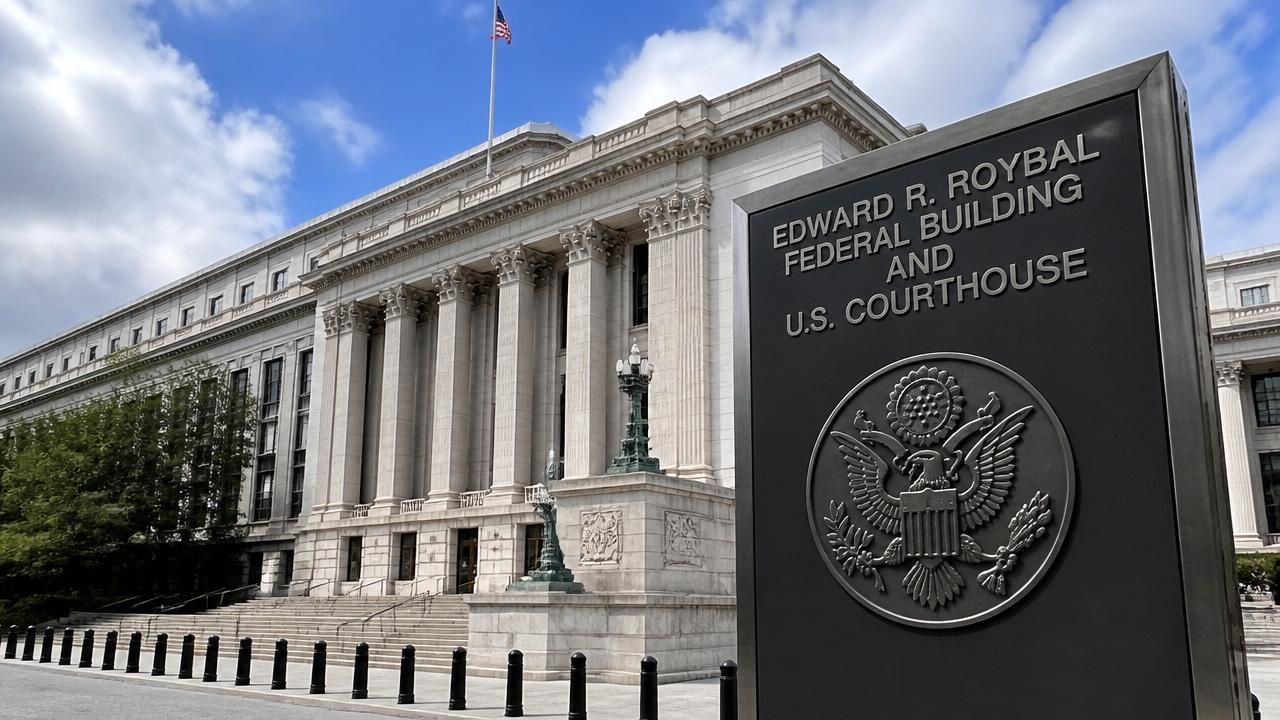
Judge John M. Rogers of the U.S. District Court for the Central District of California granted the temporary restraining order after hearing arguments from both sides. The order prevents Paramount from completing its acquisition of Warner Bros. Discovery until a preliminary injunction hearing can be held. According to NPR, the owners of Paramount had hoped to finalize the deal by the end of the week, but the court's ruling puts those plans on hold.
“The court finds that the plaintiffs have demonstrated a likelihood of success on the merits and that irreparable harm would occur if the merger were allowed to proceed before a full hearing,” the judge wrote in his order.
The States' Lawsuit
The lawsuit, filed by attorneys general from 12 states including California, New York, and Illinois, argues that the merger would create a media behemoth with too much control over content production, distribution, and pricing. The states contend that the deal would lead to higher prices for consumers, fewer choices, and reduced competition in the streaming and entertainment markets. The complaint specifically cites the shelving of the Batgirl film as evidence of the merged entity's potential to harm creative output. As reported by Cosmic Book News, the Batgirl cancellation has become a key piece of evidence in the case.
The lawsuit was filed just one day after Paramount CEO Larry Ellison threatened to move the company's headquarters out of California if the deal faced regulatory pushback, according to Cosmic Book News. This timing has raised eyebrows among legal observers, who see it as a direct challenge to the state's authority.
Market Reactions
News of the temporary restraining order sent shockwaves through financial markets. Shares of Paramount (PSKY) fell sharply, with MSN reporting that the stock was set to end at record lows. Warner Bros. Discovery shares also declined, though less dramatically. Investors had largely priced in the merger's completion, and the legal uncertainty has created a new layer of risk.
Differing Perspectives
Media outlets have framed the story in varying ways. The Hollywood Reporter emphasized the procedural aspects, noting that the pause gives the states time to build their case. In contrast, Rolling Stone focused on the broader implications for the entertainment industry, calling the deal “controversial” and highlighting the potential for job losses and market consolidation. The Verge took a more tech-centric view, discussing how the merger would reshape the streaming landscape by combining Paramount+ with Warner Bros. Discovery's HBO Max and Discovery+.
Some sources, like cosmicbook.news, have taken a more dramatic tone, framing the lawsuit as a David-versus-Goliath battle. Meanwhile, CBS News provided a balanced overview, noting that both companies have expressed confidence in the deal's legality and plan to fight the injunction.
Historical Context
The proposed merger is the latest in a wave of consolidation in the media industry, following deals like Disney's acquisition of 21st Century Fox and AT&T's purchase of Time Warner. Critics argue that such mega-mergers reduce competition and lead to homogenized content. Supporters counter that they allow companies to compete with tech giants like Netflix and Amazon.
The $110 billion price tag makes this one of the largest media mergers in history, combining Paramount's film studio and cable networks with Warner Bros. Discovery's vast library of movies, TV shows, and sports rights. The combined entity would control iconic franchises like Batman, Harry Potter, and Star Trek, as well as major news outlets like CNN.
What Happens Next
The preliminary injunction hearing is scheduled for two weeks from now, during which the judge will decide whether to extend the freeze or allow the merger to proceed. Legal experts expect a protracted battle, with the states likely to seek a longer-term block. If the merger is ultimately approved, it could still face conditions imposed by regulators, such as divestitures of certain assets.
For now, the fate of the Paramount-Warner Bros. Discovery deal hangs in the balance. As the legal process unfolds, the media industry—and millions of consumers—will be watching closely.