Gold prices steadied near the $4,000 mark on Tuesday, as traders juggled escalating US-Iran tensions against a shifting Federal Reserve interest-rate outlook. The precious metal saw a volatile session, briefly dipping before recovering, while in India, MCX gold surged to ₹1.41 lakh per 10 grams amid safe-haven buying.
Gold's Dual Drivers: Geopolitics and Monetary Policy
The price of gold has been caught between two powerful forces: the flight to safety triggered by rising geopolitical risks and the headwind of a potential Federal Reserve rate hike to combat inflation. Over the weekend, clashes between the US and Iran intensified, sending shockwaves through global markets. However, reports of mediation efforts later emerged, slightly easing fears of an all-out conflict.
According to Bloomberg Markets, gold steadied after the weekend's escalation was followed by news of diplomatic backchannels. Meanwhile, a separate Bloomberg report highlighted that gold fell earlier as traders assessed the Fed's rate outlook ahead of the release of the central bank's meeting minutes. The conflicting signals have left investors cautious.
Fed Rate Path in Focus
The Federal Reserve's next move remains a key driver for gold. Higher interest rates increase the opportunity cost of holding non-yielding assets like gold. With inflation still above the Fed's 2% target, some policymakers have hinted at further tightening. The upcoming minutes from the latest Fed meeting will be scrutinized for clues on the pace of rate hikes.
“The market is trying to price in the probability of a rate hike against the backdrop of geopolitical instability,” said a senior commodities analyst at a leading bank. “Gold is likely to remain range-bound until there's clarity on both fronts.”
Indian Market Surge
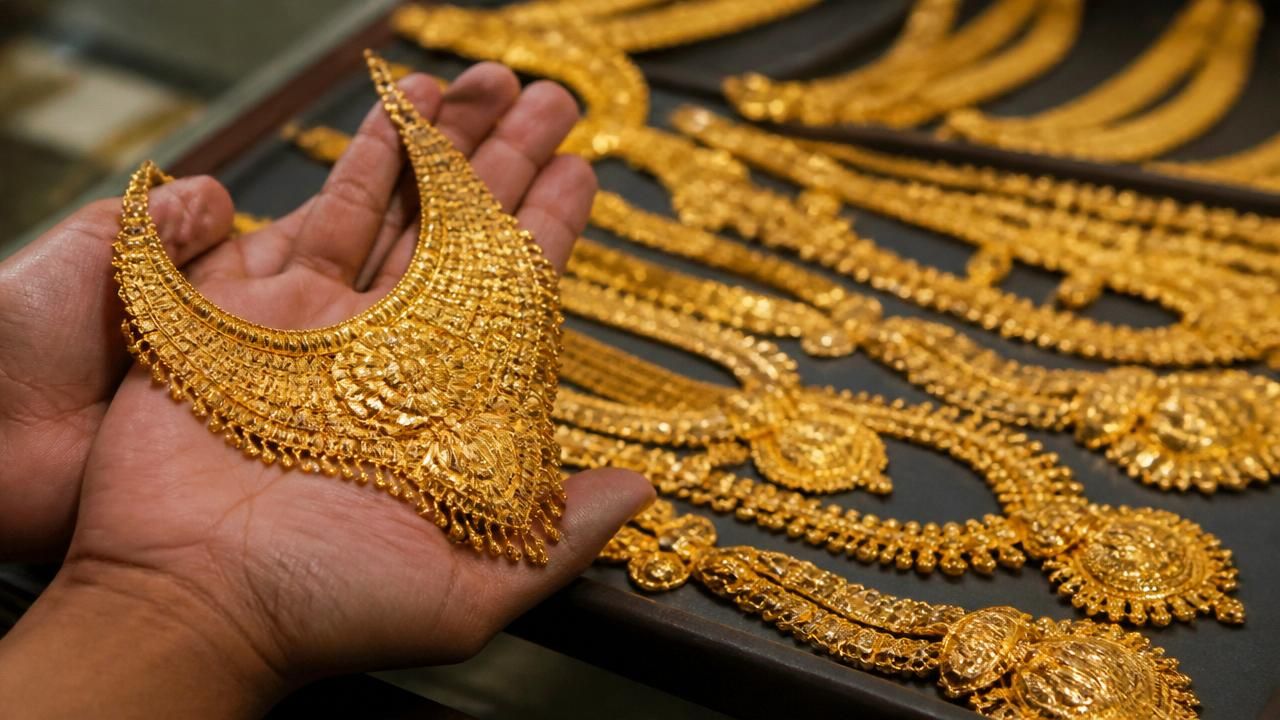
In India, gold prices on the Multi Commodity Exchange (MCX) climbed to ₹1.41 lakh per 10 grams, driven by strong demand and the global uncertainty. The domestic market often mirrors international trends, but local factors such as import duties and currency fluctuations also play a role. The rupee's weakness against the dollar has made gold imports more expensive, adding to the upward pressure.
“Investors are turning to gold as a hedge against both geopolitical risks and potential currency depreciation,” noted a bullion dealer in Mumbai. “The festive season is also supporting demand.”
Differing Perspectives
The coverage from various sources highlights the nuanced views on gold's trajectory. Bloomberg's reporting emphasized the tug-of-war between safe-haven demand and Fed tightening. One headline noted that gold “steadied” after the US-Iran clashes, while another pointed to a decline as traders focused on the rate outlook. This divergence reflects the uncertainty in the market.
MSN's coverage, on the other hand, focused on the price stability near $4,000 and the MCX surge, providing a more bullish tone. The contrast underscores how different outlets frame the same story: some emphasize the geopolitical risk premium, while others highlight the monetary policy overhang.
Historical Context and Expert Views
Gold has historically been a safe haven during times of conflict. The 1979 Iran hostage crisis and the 1990 Gulf War both saw gold prices spike. However, in the current environment, the Fed's tightening cycle has capped gains. “If the Fed pauses or pivots, gold could see a significant rally,” said a market strategist. “But if rates continue to rise, the upside may be limited.”
Data from the World Gold Council shows that central bank buying has also provided a floor for prices. In 2024, central banks added over 1,000 tonnes to their reserves, the second-highest annual total on record. This institutional demand has helped offset outflows from gold ETFs.
Implications for Investors
For investors, the current environment presents both opportunities and risks. Gold's dual nature as a hedge and a speculative asset means it can be volatile. Short-term traders may profit from swings driven by headlines, while long-term holders should focus on the broader macro picture.
“Gold is not just a trade; it's insurance,” said a portfolio manager. “In a world of geopolitical flashpoints and uncertain monetary policy, having some exposure to gold makes sense.”
As the market awaits the Fed minutes and monitors the US-Iran situation, gold is likely to remain in the spotlight. Whether it breaks above $4,000 or retreats will depend on which force—geopolitics or monetary policy—wins out.