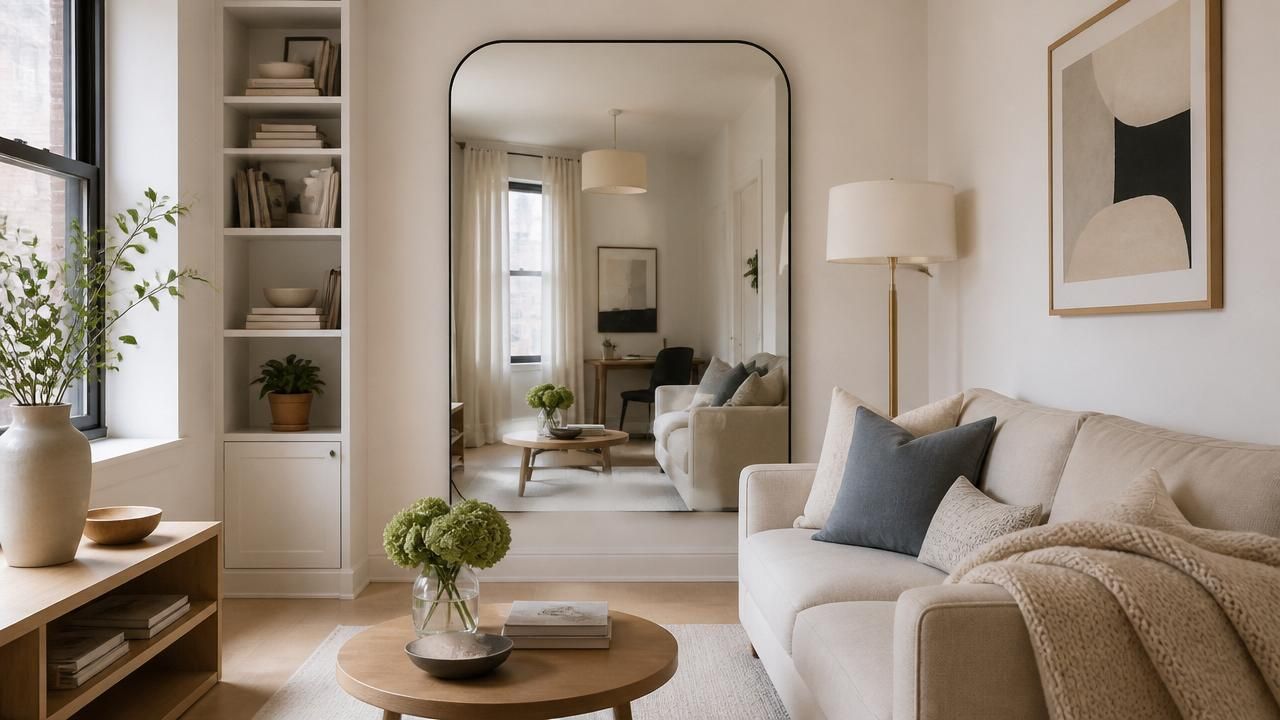
In an era where urban living often means cozy quarters, the quest to make small spaces feel larger has never been more relevant. Across dozens of design publications, a consensus emerges: with the right tricks, even the tiniest room can feel open and airy. From the pages of NPR to House & Garden, designers are sharing their most effective strategies—many of which are surprisingly simple and budget-friendly.
The Power of Paint and Color
One of the most frequently cited techniques is the strategic use of color. Country Living highlights six paint colors that instantly make small rooms feel bigger, with a focus on light, cool tones like soft blues, pale grays, and creamy whites. Woman & Home expands on this, offering 10 expert tips on using paint to create depth, such as painting the ceiling a lighter shade to draw the eye upward. Meanwhile, Real Homes suggests that kitchen cabinet colors can dramatically affect perception—lighter cabinets reflect more light and make the space feel expansive.
Mirrors: The Ultimate Illusion
Mirrors are a recurring star in the small-space playbook. Homes & Gardens even references Mark Zuckerberg’s use of a large mirror in his living room to double the visual space. Ideal Home dedicates an entire article to hallway mirror ideas, emphasizing that a well-placed mirror can bounce light and create the illusion of depth. Outdoor spaces aren't left out: Ideal Home also explores garden mirrors to make a small backyard feel larger.
Furniture and Layout: Less Is More
Multiple sources agree that furniture scale and placement are critical. House Beautiful offers 31 clever ways designers decorate small rooms, including using multi-functional furniture and keeping walkways clear. The Spruce advises on awkward living room layouts, suggesting floating furniture away from walls to create breathing room. Livingetc provides 14 expert tips for tiny apartments, emphasizing the importance of vertical storage and slim-profile pieces.
Lighting: Brighten and Widen
Lighting can make or break a small space. Livingetc shares seven lighting tricks for small bathrooms, such as using sconces to add layers of light and avoiding harsh overhead fixtures. Ideal Home covers hallway lighting ideas that make entryways feel welcoming and larger. Natural light is also key—Southern Living recommends sheer window treatments to maximize sunlight.
Room-by-Room Solutions
The advice is tailored to every corner of the home:
- Kitchens: BHG and AOL offer 19 clever design tricks for small kitchens, including open shelving and reflective backsplashes. House Beautiful lists six things to avoid, like bulky island carts.
- Bedrooms: Architectural Digest shares 46 small-bedroom ideas, while Ideal Home provides 30 tips for tiny sleeping spaces, including using wall-mounted headboards.
- Bathrooms: Reader’s Digest and House Beautiful both offer tricks like using large-format tiles and wall-mounted fixtures to create a seamless look.
- Outdoor Spaces: Country Living and Homes & Gardens focus on small gardens and backyards, recommending vertical planting and multi-level decks.
Expert Voices and Celebrity Tricks
Designers and celebrities alike weigh in. Ideal Home highlights Kelly Hoppen’s curtain trick—hanging drapes from ceiling to floor to elongate walls. The same outlet reports that Amanda Holden uses a maximalist approach with bold patterns to distract from a room’s size, while Zara McDermott and Sam Thompson employ a mirror trick to instantly enlarge their home. Real Simple shares seven tricks from home stagers, such as decluttering and using neutral palettes.
Historical and Cultural Context
The trend toward small-space living is driven by urbanization and rising property costs. According to the U.S. Census Bureau, the average new home size has decreased in recent years, making these design strategies increasingly valuable. Experts note that many techniques draw from Japanese and Scandinavian design principles, which prioritize minimalism and functionality.
Data Points and Implications
Studies show that perceived spaciousness can improve mental well-being. A 2020 survey by the National Association of Home Builders found that 63% of buyers prefer open floor plans—a desire that can be mimicked through design. By implementing these tricks, homeowners can potentially increase property value without costly renovations.
“The most important first step is to ask yourself what you want from the space,” says landscape designer Butter Wakefield, as quoted by Country Living. “Purposeful design makes every inch count.”
Conclusion
Whether you’re a renter or homeowner, these expert-approved strategies prove that size doesn’t have to limit style. From paint and mirrors to lighting and layout, a few thoughtful changes can transform a cramped room into a spacious sanctuary. As the sources collectively affirm, the illusion of space is within reach for anyone willing to think creatively.