This week's news cycle offers a striking mosaic of stories, from the rise of 'masculinism' as a counter-movement to feminism, to Illinois' push for solar panels on schools, the easing of travel restrictions for Iran's World Cup team, and Texas' contentious new voting official. Each story reflects deeper currents in American society and global affairs.
The Rise of Masculinism
In a feature for The Atlantic, writer Helen Lewis explores the growing 'masculinism' movement, which argues that feminism has emasculated men and advocates for a return to traditional gender roles where men lead and women focus on domestic life. According to NPR, Lewis notes that this ideology is moving from fringe online forums into mainstream political discourse. While some frame it as a defense of men's rights, critics see it as a backlash against gender equality. The movement's appeal is particularly strong among young men who feel left behind by economic and social changes.
Illinois Fast-Tracks Solar for Schools
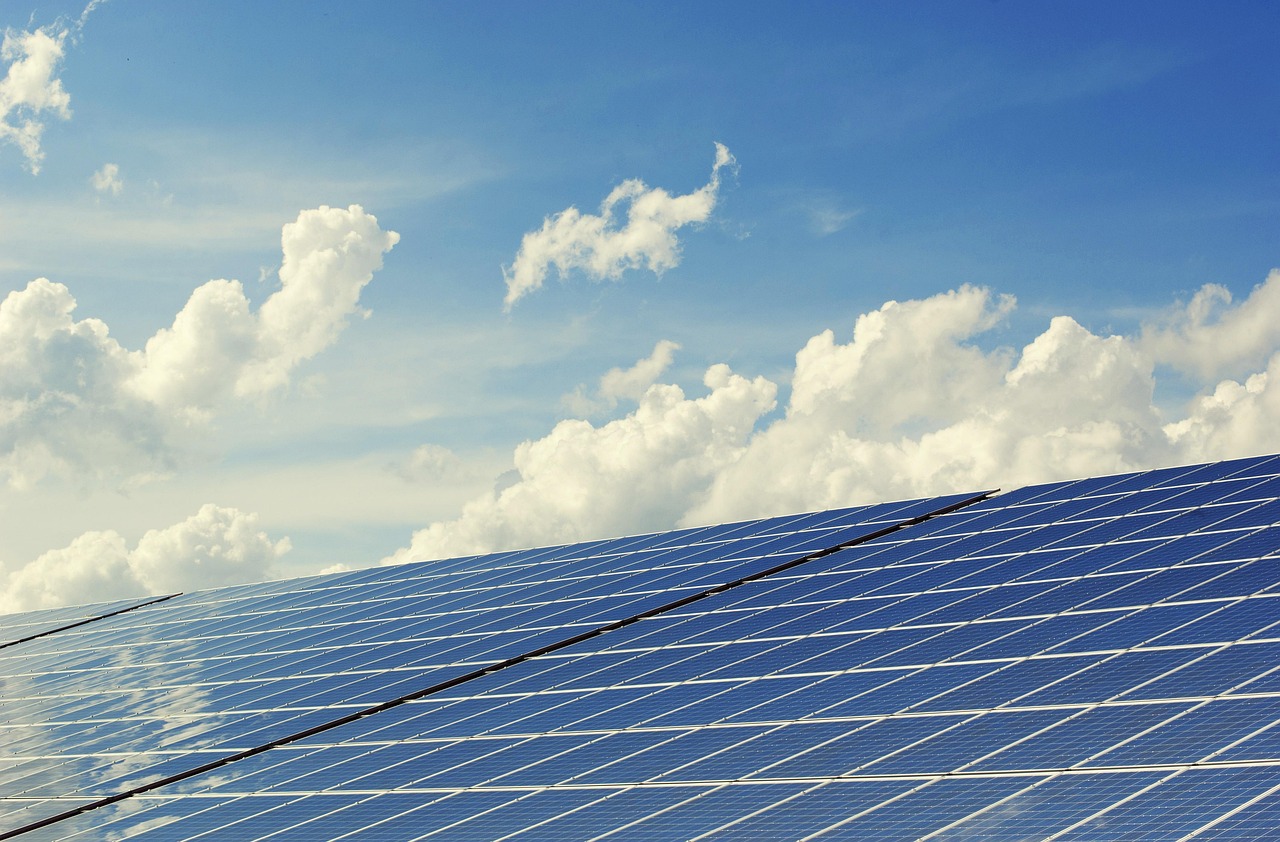
In a more forward-looking development, Illinois is considering legislation to expedite the installation of rooftop solar panels on public schools. The initiative aims to reduce energy costs and carbon footprints while providing educational opportunities. Supporters argue that schools are ideal for solar due to their large rooftops and community visibility. The bill would streamline permitting and financing, potentially making solar accessible to districts that previously found it daunting. This move aligns with broader state goals for renewable energy adoption.
US Eases Travel for Iran's World Cup Team
On the international stage, the United States has relaxed restrictions on Iran's national soccer team, allowing them to travel two days before their next World Cup match. The decision, reported by wesanews.org, comes amid heightened tensions between the two nations. While the move is seen as a gesture of sportsmanship, it also underscores the complex interplay between politics and athletics. Iran's team had faced visa delays, raising concerns about fairness. The eased restrictions permit the team to enter the US in time for their crucial game, though broader travel bans remain in place for Iranian citizens.
Texas' New Voting Official Sparks Concern
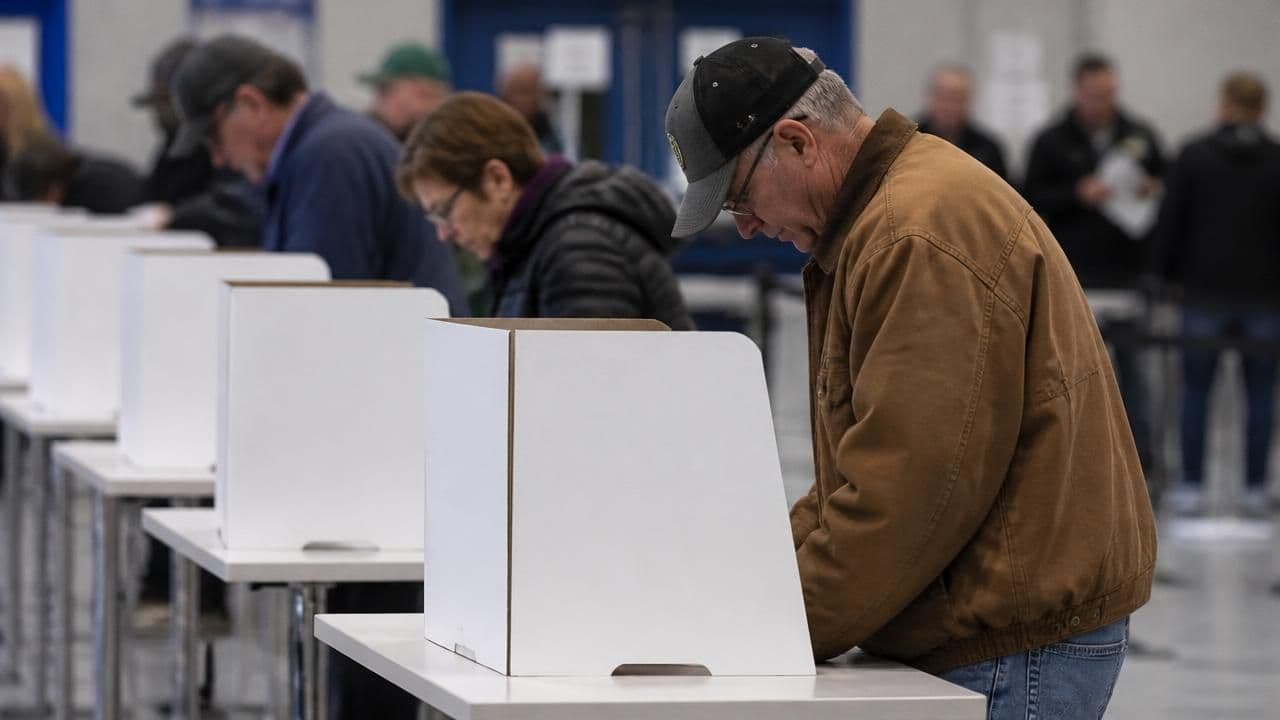
In Texas, the appointment of a new top voting official has raised alarms among local election administrators. Described as a potential 'disruptor,' the official is expected to push for stricter voter ID laws and purges of voter rolls. Locals are preparing for possible challenges, including lawsuits and administrative hurdles. Critics argue the changes could suppress turnout, especially among minority communities. Supporters claim they are necessary to ensure election integrity. The situation highlights the ongoing national debate over voting access and security.
Cultural Notes: 'Widow's Bay' and the Kennedy Center
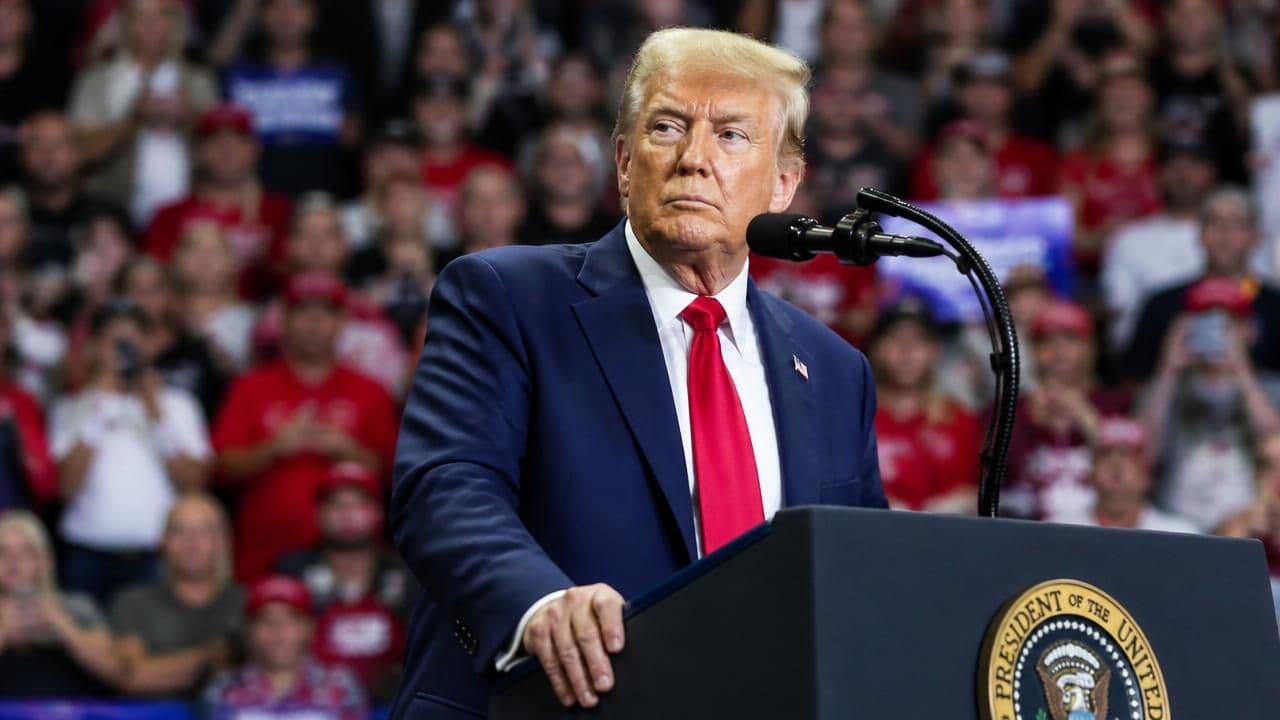
In lighter cultural news, the novel 'Widow's Bay' is earning praise for blending humor and horror, despite its 'cursed' title. Meanwhile, the Kennedy Center board is seeking to pause a ruling that would remove former President Trump's name from its facilities. These stories remind us of the diverse threads that make up the public conversation.
As these disparate stories unfold, they collectively paint a picture of a nation grappling with identity, energy, diplomacy, and democracy.