A Nation Divided Over Sanctuary
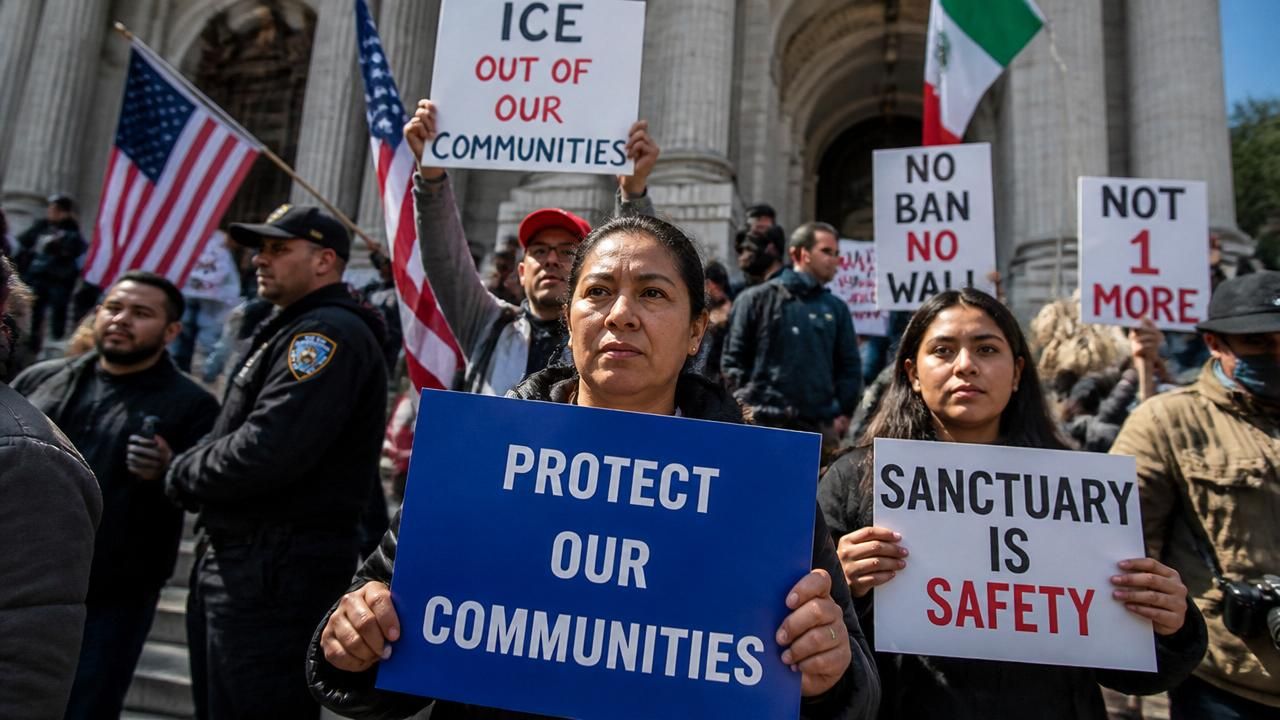
The Trump administration’s renewed crackdown on so-called “sanctuary” jurisdictions has ignited a fierce battle between federal immigration authorities and states and cities that limit cooperation with deportation efforts. While the White House threatens to cut funding and prosecute defiant officials, a New York Times review found that even targeted “sanctuary” states cooperate significantly in cases involving violent crimes. The conflict underscores a deepening partisan divide over immigration enforcement, with Democratic-led states vowing resistance and Republican-led states embracing the crackdown.
What Are Sanctuary Policies?
Sanctuary policies vary widely but generally restrict local law enforcement from inquiring about immigration status or detaining individuals solely for immigration violations. According to the American Immigration Council, these policies aim to build trust between immigrant communities and police, encouraging crime reporting without fear of deportation. However, critics argue they undermine federal law and protect criminals. The Heritage Foundation contends that sanctuary policies “shield dangerous criminals” and violate the Supremacy Clause.
Trump’s Escalating Threats
President Trump has made mass deportations a cornerstone of his agenda, ordering ICE to expand operations and threatening to withhold federal funds from sanctuary jurisdictions. “Border tsar” Tom Homan has vowed to cut funding to states that refuse to cooperate, while a House Oversight Committee hearing accused sanctuary state governors of “endangering American lives.” The administration has also targeted Illinois with a lawsuit, though a judge recently threw out the case, calling the definition of “sanctuary” confusing.
Funding Cutoff Looming
Starting next month, the administration plans to cut off funds to sanctuary cities and their states, a move that could affect billions in federal grants. Stateline reports that Democratic officials are largely shrugging off the threat, with Boston Mayor Michelle Wu declaring, “Boston will never back down.” Illinois Governor JB Pritzker has vowed to protect residents despite threats of prosecution, while Colorado officials have defied demands for immigration enforcement help.
State-Level Responses: A Patchwork of Cooperation and Defiance
The response from states is sharply divided. In blue states like California, sanctuary laws remain strong. Santa Clara County Sheriff Bob Jonsen stated he won’t help ICE efforts, citing state law. In Washington, some law enforcement leaders pledge to assist with deportations, but immigration advocates prepare to resist. In Nevada, the governor’s race has become a battleground over sanctuary status, with finger-pointing on both sides.
In red states, cooperation is more forthcoming. Utah Governor Spencer Cox said deportation plans will focus on those “breaking the law and causing harm,” while many Republican governors have offered National Guard troops. However, even in conservative states, there is nuance: a Politico analysis notes that Trump’s focus on blue states belies a red state problem, as many undocumented immigrants live in Republican-leaning areas.
The Role of Local Sheriffs
Local sheriffs play a pivotal role. In California, some sheriffs could make deportation easy by honoring ICE detainers, while others refuse. In Maryland, a proposed ban on immigration partnerships has sparked debate, with Frederick County Sheriff warning it would lead to more street arrests by ICE. The Marshall Project reports that sanctuary cities are helping immigrants outwit ICE through policies that limit information sharing.
Legal and Political Battles Ahead
The conflict is heading to the courts and the ballot box. A State Court Report analysis questions whether sanctuary cities can survive a second Trump administration, given potential legal challenges. Meanwhile, a poll from Catholic World Report shows that most Catholic voters support Trump and deportations despite bishops’ concerns. The issue is also shaping gubernatorial races in New Jersey and Nevada, where candidates are staking out positions on police-ICE cooperation.
Broader Implications
The sanctuary showdown is about more than immigration; it tests the limits of federal power and states’ rights. As the administration seeks to expand deportation infrastructure—including jails and local cooperation—the outcome will affect millions of immigrants and the fabric of American federalism. With both sides dug in, the coming months promise a high-stakes legal and political battle that will define Trump’s immigration legacy.