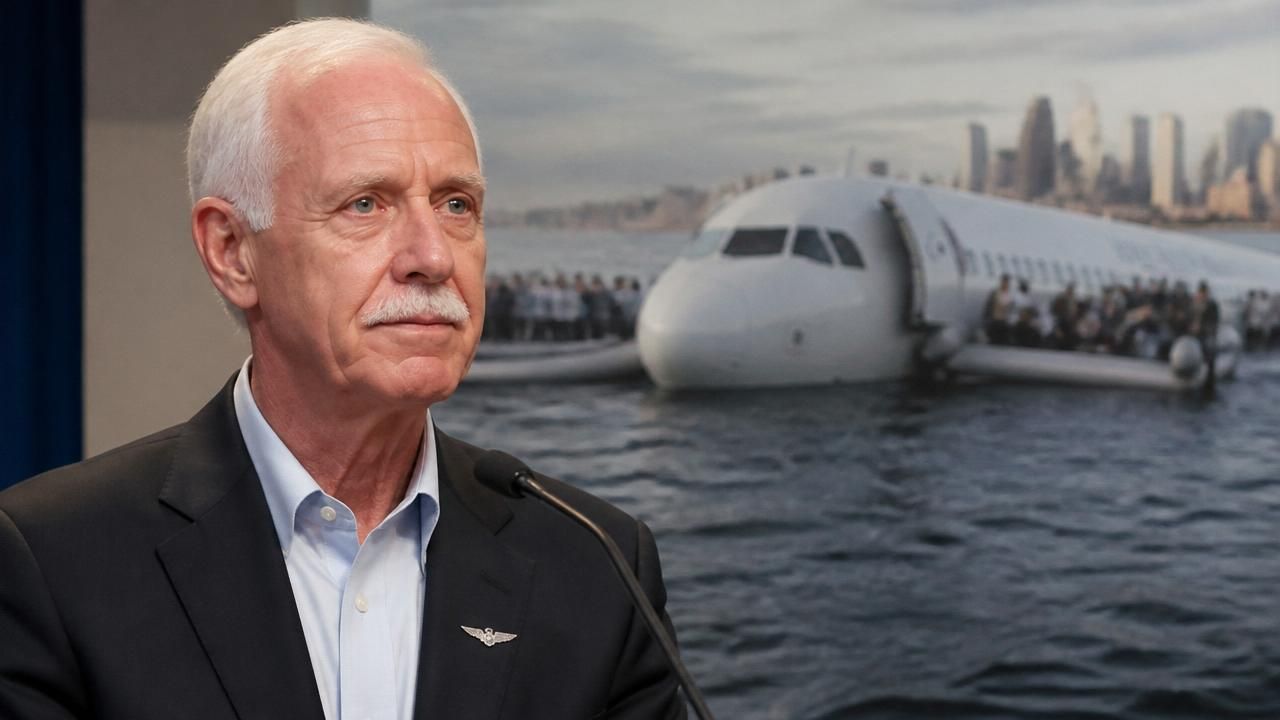
Retired pilot Chesley "Sully" Sullenberger, forever known for his heroic emergency landing on the Hudson River in 2009, has announced that he has been diagnosed with Alzheimer's disease. The revelation, made this week, adds a deeply personal chapter to the story of a man who became a symbol of calm under pressure.
A Courageous Announcement
Sullenberger, 73, shared his diagnosis in a statement that NPR described as an "opinion" reflecting his continued courage. The news was also reported by Yahoo News and other outlets, though some faced technical issues—Yahoo noted an "Edge: Too Many Requests" error, indicating high public interest. The announcement has sparked widespread discussion about his legacy and the challenges ahead.
"I have been diagnosed with Alzheimer's disease," Sullenberger said, according to NPR. "I face this new challenge with the same determination and optimism that guided me on that January day in 2009."
The Miracle on the Hudson
On January 15, 2009, US Airways Flight 1549 struck a flock of geese shortly after takeoff from LaGuardia Airport, losing both engines. Sullenberger, then 58, made the split-second decision to ditch the plane in the frigid Hudson River, saving all 155 people on board. The event, known as the "Miracle on the Hudson," was captured in the 2016 film Sully directed by Clint Eastwood and starring Tom Hanks.
MSN.com highlighted a key aspect of the story: the hidden skill that enabled Sullenberger to act so decisively. In an article titled "The hidden skill that helped Captain Sully save 155 lives—and how you can build it," MSN explored the concept of "mental preparedness" or "cognitive readiness." This skill, according to experts, involves training the mind to remain calm and make rapid, accurate decisions under extreme stress.
Building Mental Resilience
The MSN piece explained that Sullenberger's ability to stay composed during the 208-second ordeal was not innate but honed through years of experience and deliberate practice. Techniques include simulation training, mindfulness, and scenario planning. "Anyone can develop these skills," the article noted, "by regularly putting themselves in challenging mental situations and reflecting on their responses."
This perspective adds depth to the narrative, suggesting that Sullenberger's heroism was as much about preparation as instinct. It also offers a hopeful message for those facing their own crises, whether personal or professional.
Framing the Story Across Sources
Different outlets have emphasized various aspects of the story. NPR and KALW.org focused on the emotional and human-interest angle, framing the Alzheimer's announcement as a testament to Sullenberger's enduring bravery. The headline "Opinion: The continued courage of Captain Sully" underscores the theme of facing adversity with grace.
Yahoo News, despite its technical glitch, delivered the core news quickly, reflecting the public's hunger for updates. Meanwhile, MSN took a more educational approach, turning the story into a lesson on resilience. Together, these perspectives paint a fuller picture: Sullenberger is not only a hero of the past but a figure who continues to inspire through his present struggles.
Alzheimer's Disease: A Growing Challenge
Alzheimer's is a progressive neurological disorder that affects memory, thinking, and behavior. According to the Alzheimer's Association, an estimated 6.7 million Americans aged 65 and older live with the disease. Sullenberger's announcement brings renewed attention to the condition and the need for research and support.
Dr. Maria Carrillo, chief science officer of the Alzheimer's Association, said in a statement: "Captain Sullenberger's courage in sharing his diagnosis helps reduce stigma and encourages others to seek help. It also highlights the importance of early detection and brain health."
Implications and Legacy
Sullenberger's diagnosis does not diminish his legacy; rather, it adds a layer of humanity to an iconic figure. He has remained active in aviation safety advocacy and public speaking, and his openness about Alzheimer's may inspire others to confront their own health challenges.
As he faces this new battle, the qualities that made him a hero—quick thinking, composure, and a commitment to others—will undoubtedly serve him well. The world watches with admiration, hoping that the same inner strength that saved 155 lives can now help him navigate this personal journey.
In the end, Captain Sully's story is not just about a single miraculous landing but about a life lived with courage, both in the cockpit and beyond.