Hungary's electric vehicle (EV) industry, a cornerstone of the nation's economy worth an estimated $20 billion and heavily backed by Chinese investment, is facing a dramatic shift in policy as the country's new leadership cracks down on environmental violations and signals tax increases. The move, reported by Bloomberg Markets, marks a departure from the laissez-faire approach under former premier Viktor Orban and puts Chinese companies operating in the sector on notice.
A New Regulatory Landscape
The crackdown, which targets pollution and regulatory compliance, has sent shockwaves through the EV supply chain in Hungary. For years, the country attracted major Chinese battery and EV manufacturers, including CATL and BYD, with generous subsidies, tax breaks, and lax environmental oversight. However, the new administration, which took office following recent elections, has vowed to tighten enforcement and raise revenue from the sector.
According to sources familiar with the matter, the government has launched investigations into several factories for alleged violations of emissions and waste disposal standards. Fines could reach tens of millions of dollars, and some plants may face temporary shutdowns. Additionally, the government is considering a new tax on EV battery production, which could erode the cost advantages that drew Chinese firms to Hungary.
“This is a fundamental shift in Hungary’s industrial policy,” said an analyst at a Budapest-based think tank. “The days of turning a blind eye to environmental damage for the sake of job creation are over.”
China's Stake in Hungary's EV Boom
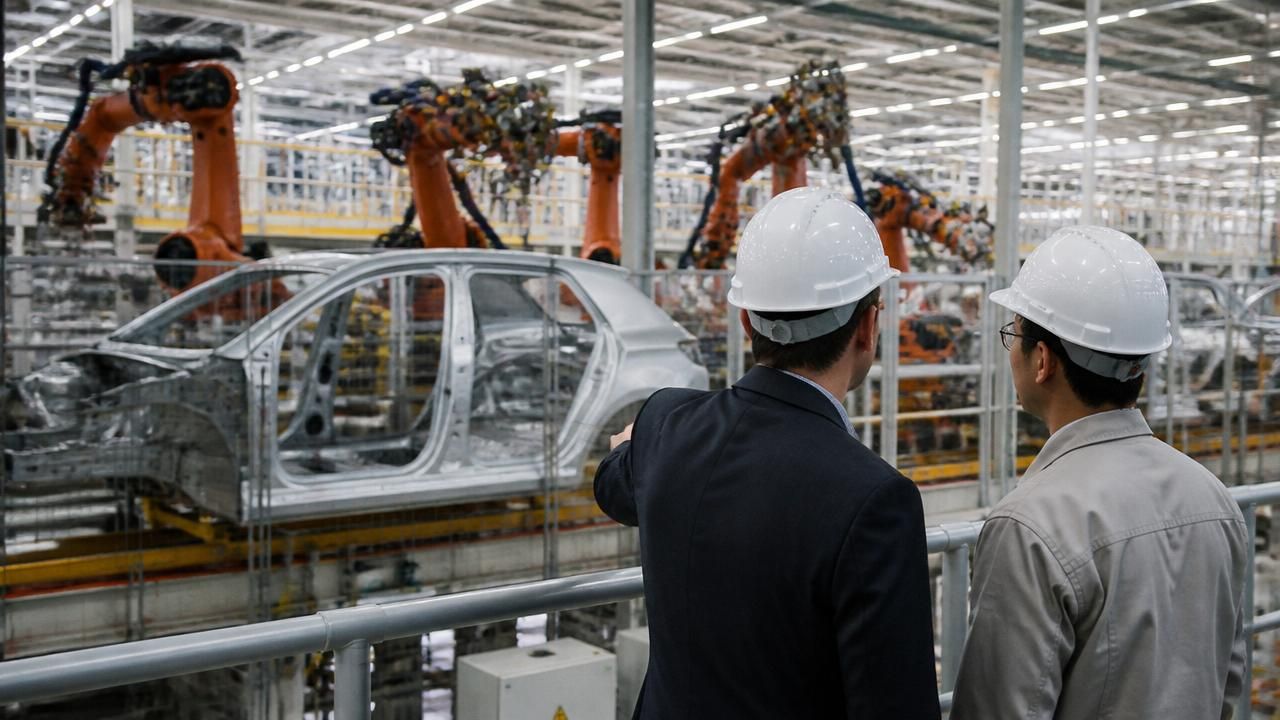
Hungary has become a key hub for Chinese EV companies seeking access to the European Union market. Chinese firms have invested billions in battery gigafactories and assembly plants across the country, attracted by Hungary's central location, skilled workforce, and pro-business environment under Orban. The new policies threaten to upend these investments.
Industry experts warn that the crackdown could strain diplomatic relations between Hungary and China, which have deepened in recent years. Beijing views Hungary as a strategic partner in its Belt and Road Initiative and a gateway to Europe. The Hungarian government’s new stance may be seen as a betrayal by Chinese investors, who have already faced increasing scrutiny from EU regulators.
Environmental vs. Economic Priorities
The policy shift highlights a tension between environmental protection and economic growth. While the new leadership emphasizes sustainability and public health, critics argue that aggressive enforcement could drive away investment and cost jobs. The EV sector directly employs over 50,000 people in Hungary and supports many more indirectly.
Environmental groups, however, have welcomed the move. “For too long, Hungary has been a dumping ground for polluting industries,” said a spokesperson for Greenpeace Hungary. “It’s time for accountability, even if it means slower growth.”
Implications for the Global EV Market
Hungary's crackdown could have ripple effects across the global EV supply chain. As one of Europe's largest battery producers, any disruption in Hungary could impact automakers from Germany to France, who rely on Hungarian-made batteries for their electric models. The new tax proposals, if implemented, could raise costs for European EV manufacturers, potentially slowing the transition to electric mobility.
Meanwhile, Chinese companies may reconsider their European expansion plans. Some analysts predict that future investments could be redirected to other Eastern European countries with more lenient regulations, such as Serbia or Poland. However, those nations may also face pressure from the EU to tighten environmental standards.
Historical Context
Hungary's EV boom began around 2018, when Orban's government aggressively courted Chinese capital. The strategy was part of a broader effort to reduce dependence on Western European automotive giants and position Hungary as a leader in the green transition. Tax incentives and fast-track permits allowed companies to build factories at record speed, often with minimal environmental review.
But local communities have long complained about pollution, water shortages, and health impacts from these plants. The new government’s actions appear to be a response to growing public discontent, as well as pressure from the EU, which has threatened to withhold funds over rule-of-law and environmental concerns.
What's Next?
The Hungarian government has not yet released a detailed timeline for the new regulations or tax changes. However, sources indicate that a formal announcement is expected within weeks. In the meantime, companies are bracing for increased compliance costs and potential legal battles.
For Chinese EV firms, the message is clear: the era of easy operating conditions in Hungary is ending. Whether they adapt or relocate will shape not only Hungary's economic future but also the geopolitics of the global EV industry.
This story is developing. Bloomberg Markets will continue to monitor the situation.