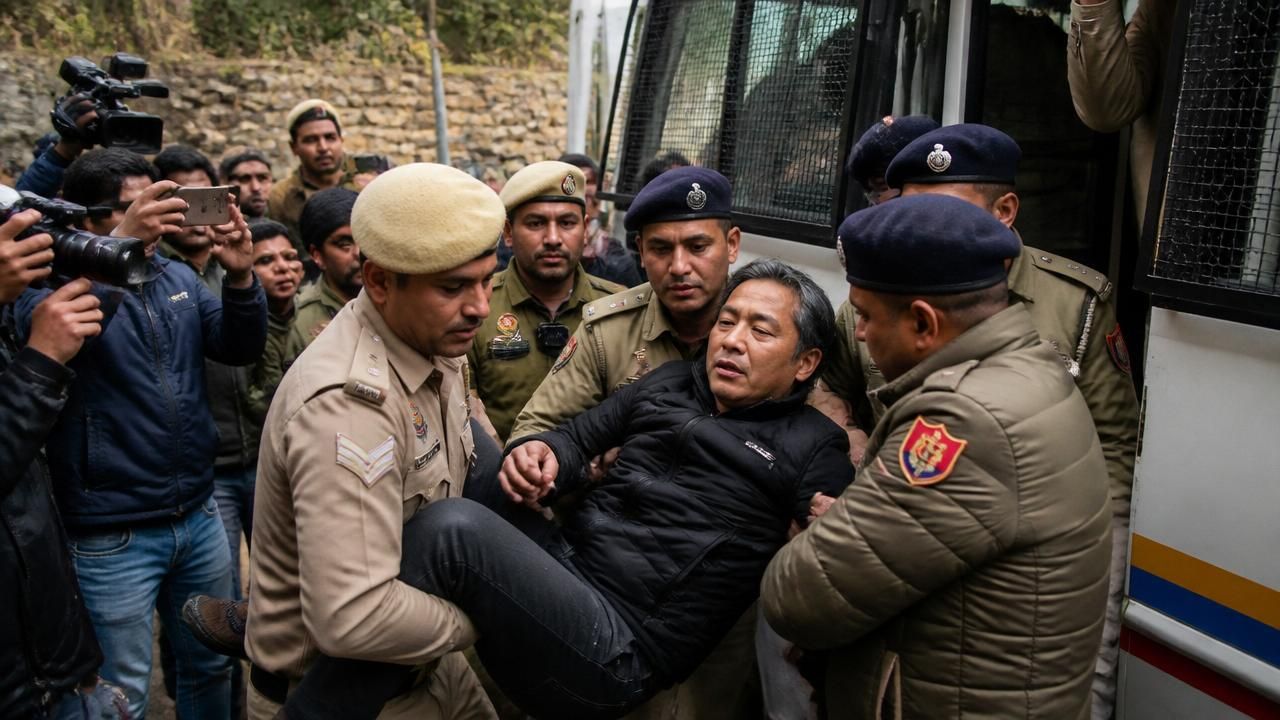
Authorities in New Delhi have moved against youth protesters ahead of a major parliamentary session, as a 20-day hunger strike by prominent activist Sonam Wangchuk has drawn international attention to India's unemployment crisis and alleged examination fraud. The crackdown, reported by Bloomberg and other outlets, comes as the opposition INDIA bloc demands an all-party meeting and as protests spread across the country.
Activist Hospitalized After 20-Day Fast
Sonam Wangchuk, a 49-year-old engineer and educator known for his work in Ladakh, was forcibly taken to a hospital on the 20th day of his hunger strike, according to BBC News and Reuters. Wangchuk had lost 9.1 kg (20 pounds) in 19 days, prompting doctors to urge him to end the fast. Police confirmed the move, stating it was done to preserve his life. Wangchuk's supporters, however, decried the action as an infringement on peaceful protest.
Demands and Background
Wangchuk's protest is centered on demands for job quotas for youth from Ladakh and other regions, as well as an investigation into alleged exam scams that have deprived thousands of fair opportunities. Speaking to Pakistan Today, Wangchuk urged his supporters to remain peaceful and continue the struggle even if he was incapacitated. The activist has become a symbol of a broader youth movement frustrated with high unemployment rates and systemic corruption.
Opposition Unity and Parliamentary Maneuvers
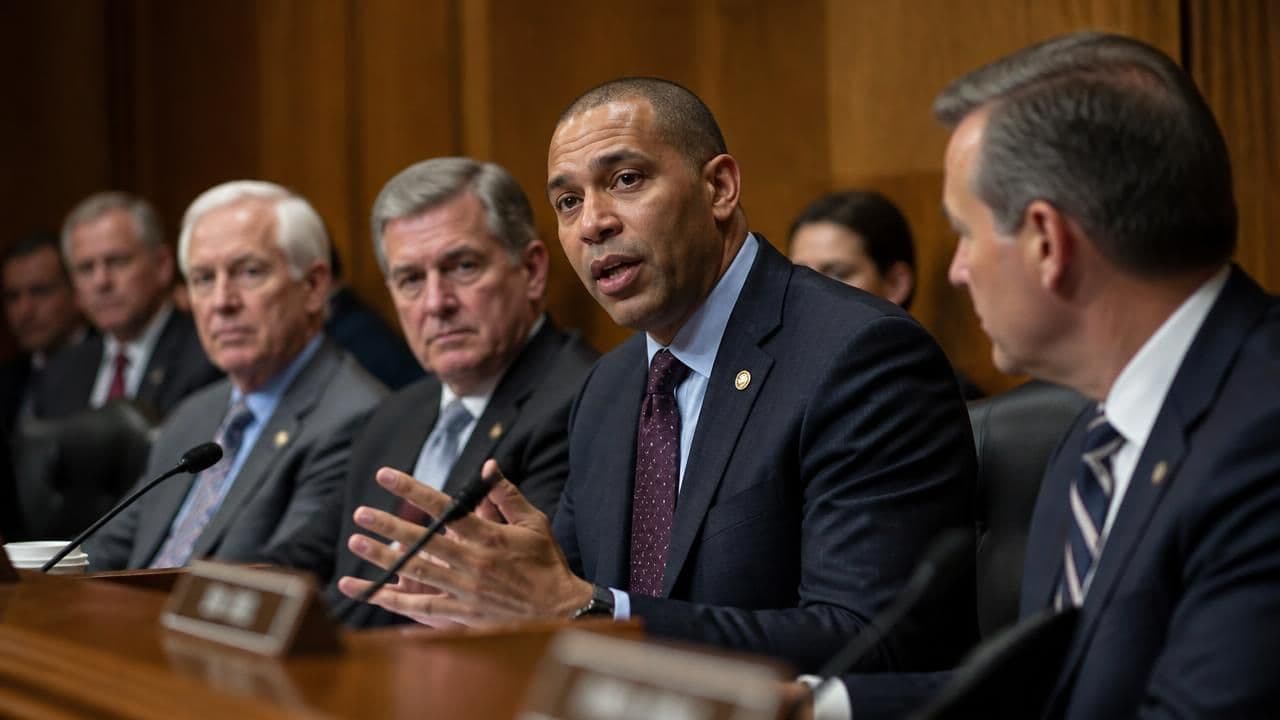
The INDIA bloc, a coalition of opposition parties, held a meeting to strategize ahead of the parliament session. Key takeaways, as reported by MSN, include a demand for an all-party meeting on the protest issue, regular sessions of the alliance, and a unified stance against the government's handling of dissent. The bloc also criticized the Modi administration for what they call a 'crackdown on democratic space.'
"The government is trying to silence the voices of the youth. We will not allow that," said a senior opposition leader during the meeting.
Gen Z 'Cockroach' Party Holds First Protest
In a striking development, supporters of India's so-called 'Cockroach' party—a Gen Z-led political group named after the insect's resilience—staged their first protest in New Delhi, as covered by France 24. The party, which uses social media to mobilize young voters, has tapped into deep anger over unemployment and corruption. Their emergence signals a new wave of youth-led political activism that challenges traditional party structures.
Nepal's Social Media Ban Backfires
Meanwhile, across the border in Nepal, a similar youth protest movement has taken a deadly turn. The New York Times and CNN report that Nepal's government imposed a social media ban to curb protests, but the move backfired, driving political discourse into encrypted chat rooms and sparking even larger demonstrations. At least 22 people have died in clashes, and Nepali troops have been deployed to restore order. The ban was eventually lifted, but the unrest has exposed deep generational divides.
Parallels and Contrasts
Analysts draw parallels between the Nepalese and Indian protests, noting that both are fueled by high youth unemployment, perceived government inaction, and a desire for systemic change. However, India's protests have remained largely non-violent, with activists like Wangchuk using Gandhian methods of fasting. The Indian government's response, including the hospitalization of Wangchuk and preemptive arrests, has been criticized by human rights groups as heavy-handed.
Broader Context: Climate Activism and Regional Unrest
The protests are not limited to economic issues. The Caravan magazine highlights the rise of young environmental groups leading India's new climate activism, linking ecological concerns to social justice. Meanwhile, the Kashmiri diaspora held anti-Pakistan protests, and in Malaysia, Marxist groups call for an end to political chaos. These disparate movements reflect a global trend of youth mobilization against entrenched systems.
What's Next?
As India's parliament session begins, all eyes are on how the Modi government will navigate the growing unrest. The opposition INDIA bloc plans to raise the issue of unemployment and exam scams, while Wangchuk's health remains a concern. The government, for its part, has signaled a tough stance, with authorities preparing for further protests. The coming days will determine whether this wave of youth activism can translate into concrete policy changes or whether it will be met with continued suppression.
In a statement, a government spokesperson said, "We are committed to addressing the concerns of the youth, but we will not tolerate any attempt to disrupt public order." Critics argue that such rhetoric only fuels further anger among a generation that feels left behind.