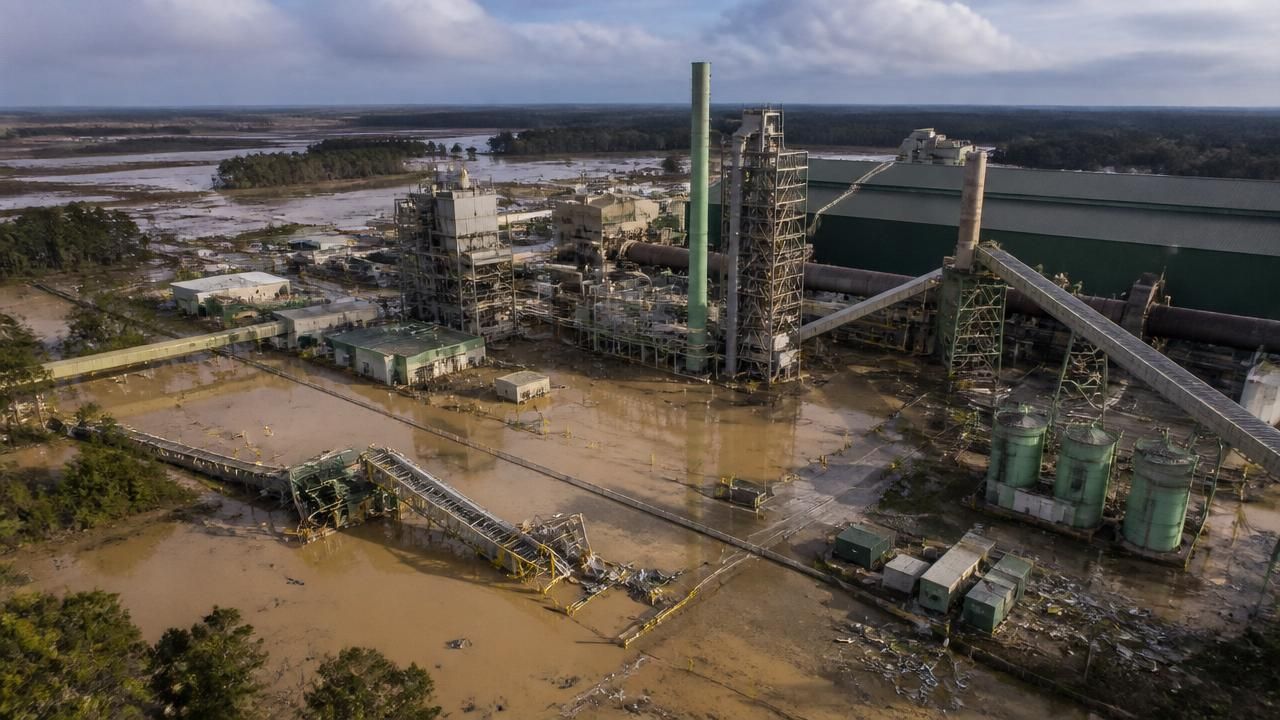
Alcoa Corp. saw its shares fall sharply on Tuesday after the aluminum giant slashed its full-year alumina production guidance, citing significant operational disruptions at its Western Australian refinery caused by Cyclone Narelle. The storm, which swept through the region in late June, damaged infrastructure and forced temporary shutdowns, leading to an estimated $60 million hit to the company's alumina segment. The news overshadowed a stronger-than-expected second-quarter earnings report, where higher aluminum prices boosted revenue.
Cyclone Narelle: The Immediate Impact
Cyclone Narelle, a Category 4 storm, made landfall near Alcoa's Wagerup and Pinjarra refineries in the Peel region of Western Australia on June 28. High winds and flooding caused damage to power lines, conveyor belts, and other critical equipment, halting production for several days. According to a company statement, the refineries have since resumed operations but at reduced capacity as repairs continue.
“The cyclone’s impact was severe but localized,” said Alcoa CEO William Oplinger in a conference call with analysts. “Our teams have worked tirelessly to restore operations, but we now expect full-year alumina shipments to be approximately 200,000 metric tons lower than previously forecast.” The revised guidance places 2026 alumina shipments at between 12.5 million and 12.7 million metric tons, down from the earlier range of 12.7 million to 12.9 million.
“The cyclone’s impact was severe but localized. Our teams have worked tirelessly to restore operations, but we now expect full-year alumina shipments to be approximately 200,000 metric tons lower than previously forecast.” — Alcoa CEO William Oplinger
Financial Fallout and Market Reaction
Investors reacted swiftly, sending Alcoa shares down 6.8% in New York trading on Tuesday to $38.42, their lowest level in three weeks. The decline erased gains made earlier this month when the company reported second-quarter net income of $345 million, or $1.92 per share, compared with $287 million a year earlier. Revenue rose 12% to $3.2 billion, driven by a 15% increase in average aluminum prices to $2,450 per metric ton.
However, the alumina segment—which accounts for about 30% of Alcoa’s revenue—took a direct hit. The company warned that the cyclone-related disruptions would reduce segment profit by $60 million in the third quarter, with potential further impacts if repairs are delayed. Analysts at Bloomberg Intelligence noted that while aluminum prices remain supportive, the alumina supply shock could erode margins in the second half of the year.
Earnings Miss and Investor Skepticism
Despite the headline earnings beat, Alcoa missed consensus estimates on an adjusted basis. Excluding one-time items, adjusted earnings per share came in at $1.85, below the $1.95 forecast by analysts polled by FactSet. The miss was largely attributed to higher-than-expected costs at the Australian refineries, including overtime pay and expedited shipping for replacement parts.
“The earnings call revealed that the company is struggling to contain costs in its upstream operations,” said mining analyst David Neuhauser of Livermore Partners. “While the aluminum market is strong, Alcoa’s operational challenges are a red flag for investors.”
Geopolitical Context: Iran War and Alumina Prices
In a surprising twist, Alcoa’s management noted that alumina prices have remained stable despite the ongoing conflict between Iran and neighboring countries, which has disrupted global supply chains for several commodities. The Iran war, which escalated in early July, has led to a spike in oil prices and raised concerns about supply disruptions in the Middle East. However, Alcoa CFO Molly Beerman stated that the company has seen no direct impact on alumina pricing, which has held steady at around $370 per metric ton.
“We continue to monitor the situation closely, but our customers have not reported any significant changes in demand or pricing due to the conflict,” Beerman said during the earnings call. Some analysts speculate that Alcoa’s diversified supply chain—with operations in the U.S., Canada, and Australia—has shielded it from the worst of the geopolitical turmoil.
Historical Context and Industry Trends
Alcoa has faced alumina production challenges before. In 2024, a series of unplanned outages at its Kwinana refinery in Western Australia led to a 3% drop in output. The company has since invested $250 million in upgrading its Australian facilities, but Cyclone Narelle underscores the vulnerability of mining operations to extreme weather events, which are becoming more frequent due to climate change.
The broader aluminum market is grappling with rising demand from the electric vehicle and renewable energy sectors, which has kept prices elevated. However, the alumina supply disruption could tighten the market further, potentially benefiting competitors like Rio Tinto and South32, which have refineries in other regions.
Differing Perspectives: Media Framing
Coverage of the Alcoa news varied widely across financial media. Bloomberg Markets focused on the production cut and its impact on shares, emphasizing the operational misstep. The Wall Street Journal highlighted the company’s assertion that alumina prices remain stable despite the Iran war, framing the story as a resilience narrative. Seeking Alpha’s headline zeroed in on the $60 million hit, portraying the situation as a “plunge” and a warning sign for investors. Meanwhile, Australian outlet DiscoveryAlert.com.au provided granular details on the cyclone’s path and refinery damage, offering a local perspective that global outlets lacked.
These contrasting angles reflect the multifaceted nature of the story: a weather-driven supply shock, a mixed earnings report, and a geopolitical backdrop that so far has not exacerbated the crisis.
Outlook and Implications
Looking ahead, Alcoa expects to restore full production at its Australian refineries by the end of the third quarter, but the company cautioned that further weather events or supply chain delays could push the timeline into early 2027. The reduced alumina output may also force Alcoa to purchase alumina on the open market to meet its contractual obligations, squeezing margins.
For investors, the key takeaway is that Alcoa’s operational risks remain elevated, even as the macro environment for aluminum appears favorable. The stock’s decline suggests that the market is punishing the company for its inability to maintain steady production. With climate-related disruptions on the rise, Alcoa and its peers may need to invest more heavily in resilience measures—a cost that could weigh on earnings for years to come.
As one analyst put it, “Alcoa is a tale of two halves: strong demand and pricing on one side, but operational fragility on the other. Until the latter is addressed, the stock will remain volatile.”
Reporting contributed by Bloomberg Markets, The Wall Street Journal, Seeking Alpha, and DiscoveryAlert.com.au.