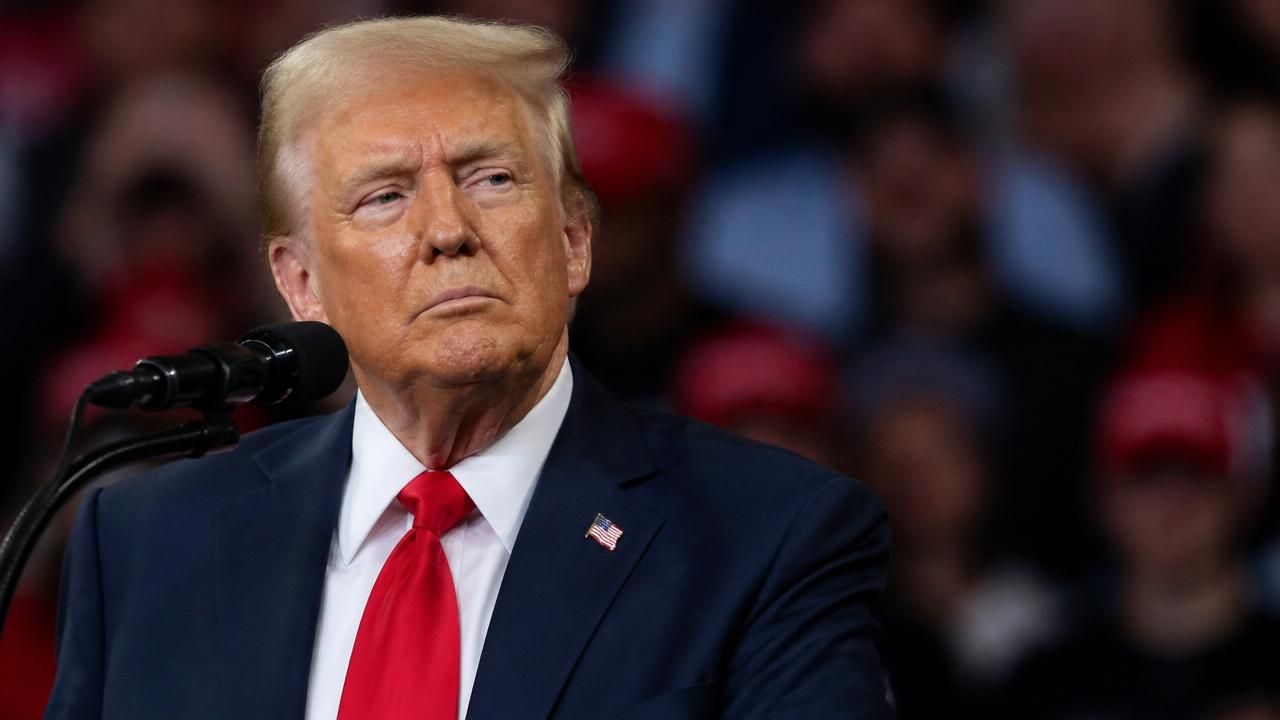
President Donald Trump is scheduled to deliver a primetime address on election integrity Thursday night, reigniting unfounded claims of widespread voter fraud that have persisted since his 2020 loss. The speech, announced by Trump himself, comes as he continues to assert, without evidence, that the election was stolen from him. Multiple news outlets, including NPR, Reuters, and France24, have confirmed the event, which poses a difficult decision for television networks weighing journalistic responsibility against the risk of amplifying misinformation.
Background of a Persistent Narrative
Trump's history of casting doubt on U.S. election security dates back years. In 2016, he claimed without proof that the election was rigged against him, only to win the Electoral College. After his 2020 defeat, he launched a multifaceted campaign to overturn the results, culminating in the January 6 Capitol riot. Despite dozens of court losses and audits affirming President Joe Biden's victory, Trump has continued to allege fraud. According to NPR, his Thursday speech will mark yet another attempt to push these claims into the national spotlight.
Focus on Voting Machines
Reuters reports that Trump is expected to specifically target voting machine vulnerabilities, a theme that has resonated with his base. Dominion Voting Systems and Smartmatic, two companies frequently mentioned in conspiracy theories, have already filed defamation lawsuits against Trump allies and media outlets. Experts, however, have repeatedly debunked claims of systemic manipulation. A PBS News fact-check ahead of the State of the Union noted that Trump's assertions on election integrity are consistently false. CNN journalist Daniel Dale, in a piece highlighted by MSN, emphasized that “there is no such proof” of widespread fraud.
Media Dilemma: To Air or Not to Air?
Axios reports that the speech presents a “tough choice” for television networks. While some may carry it live, others might decline to provide a platform for unsubstantiated claims. This mirrors decisions made in 2020, when networks cut away from Trump's White House press briefings after he promoted false information. The dilemma underscores the tension between covering a former president and avoiding the spread of disinformation. France24 noted that the speech is likely to reopen debates over election integrity, while Spectrum Local News characterized it as a focus on election conspiracies.
“Trump has long contended, without evidence, that he won the 2020 election.” — NPR
Political and Legal Implications
The address comes amid ongoing investigations into Trump's efforts to overturn the 2020 election. The House January 6 committee has documented his pressure on state officials and the Justice Department. Meanwhile, prosecutors in Georgia and at the federal level are probing election interference. Trump's continued focus on fraud claims may also influence Republican primaries, as many candidates have echoed his rhetoric. AOL and Wikinews archives show that similar themes were central to his 2016 and 2020 campaigns, indicating a long-term strategy.
Expert Views and Data Points
Election security experts consistently affirm the integrity of the 2020 election. The Cybersecurity and Infrastructure Security Agency (CISA) called it “the most secure in American history.” A Brennan Center study found voter fraud rates between 0.0003% and 0.0025%. Trump's own Attorney General William Barr stated there was no evidence of widespread fraud. Despite this, a recent Pew poll found that 66% of Republicans believe Biden's win was illegitimate, highlighting the deep partisan divide.
What to Expect Thursday
Trump's speech, scheduled for prime time, will likely reiterate familiar claims about mail-in ballots, Dominion machines, and foreign interference. Media outlets are preparing fact-checks in real time. PBS and CNN have already pre-bunked many of the anticipated falsehoods. The address is expected to be a rallying cry for his supporters, but it may also alienate moderate voters and further strain democratic norms.
As the nation watches, the central question remains: Will networks treat this as legitimate political speech or a disinformation event? The answer will shape how future false claims are handled by the media.