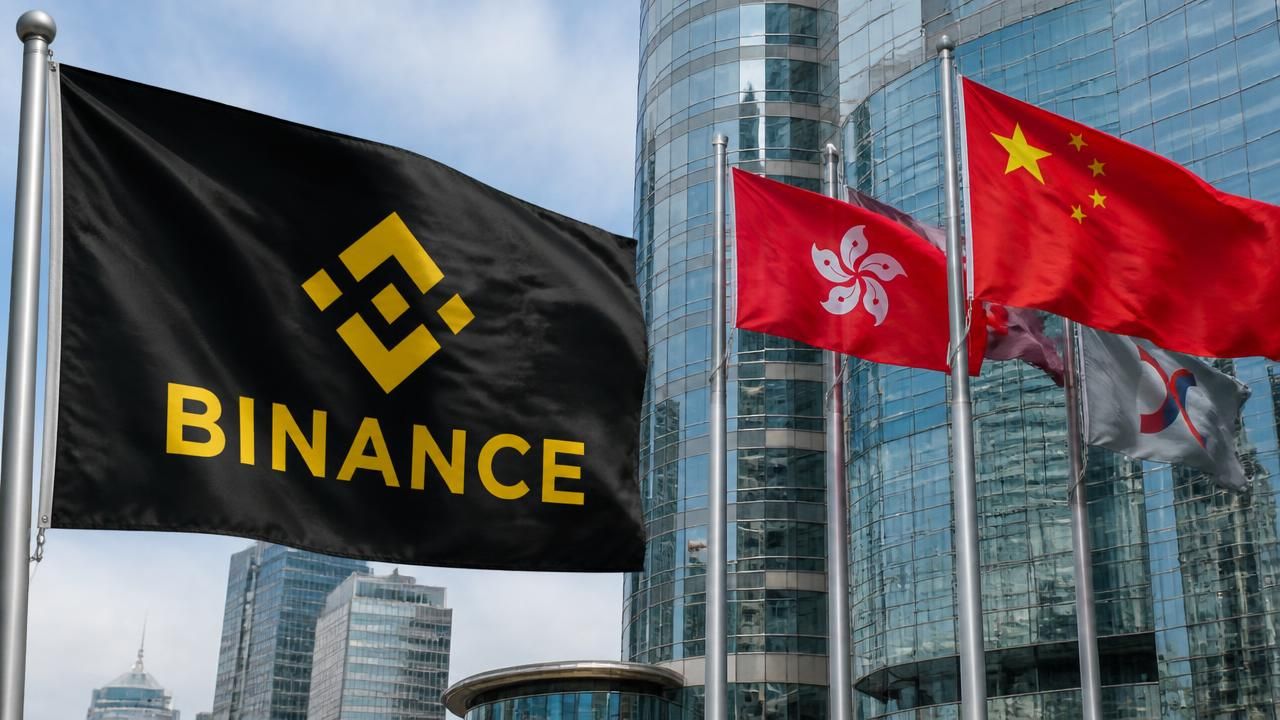
Binance is widening its push into traditional finance, planning to offer trading in Hong Kong-listed equities and exchange-traded funds while broadening its tokenized-stock business, according to reports from Bloomberg Markets, MSN, Yahoo Finance and CoinCentral. The moves mark one of the most concrete attempts by a major cryptocurrency exchange to compete with brokerages and investment banks, not merely with other crypto trading venues.
The Hong Kong plan, first reported by Bloomberg and echoed by MSN, would let Binance users trade equities and ETFs listed in the Asian financial hub. That is a significant step beyond digital assets for the world’s largest crypto exchange, which is seeking new sources of revenue and deeper ties to conventional capital markets. The reports did not disclose a timeline, regulatory approvals, or exactly which Hong Kong-listed equities and ETFs would be offered.
Tokenized stocks move from niche to strategy
At the same time, Binance is expanding bStocks, its tokenized-stock product. CoinCentral reported that Binance announced dividends for five tokenized stocks, while Yahoo Finance reported that the exchange will reinvest dividends on bStocks tied to SK hynix, Goldman Sachs and Zoom. The dividend feature may sound technical, but it is important: it makes tokenized shares behave more like the underlying equities by passing through or reinvesting income rather than treating them only as speculative crypto tokens.
MSN reported that Binance’s bStocks leads the $4.8 billion tokenized stock market with a 31% share. That scale gives Binance an early advantage in a corner of the crypto market that is increasingly being watched by traditional finance. Tokenized stocks are designed to give crypto-native investors exposure to public companies without leaving blockchain-based venues, and they can be traded fractionally and around the clock in some settings.
Anthropic and the tokenized-IPO ambition
Yahoo Finance also reported that Binance is offering tokenized Anthropic stock to investors. Anthropic is a private artificial-intelligence company, so the product is notable because it appears to give crypto users exposure to a high-profile AI startup that is not publicly traded. Such offerings raise familiar questions about how the exposure is structured, whether token holders have any claim on the underlying shares, and how liquidity and pricing are determined.
CoinCentral framed the broader ambition more boldly, reporting that Binance wants to become a crypto investment bank with tokenized IPOs.
"Binance wants to become a crypto investment bank with tokenized IPOs," CoinCentral reported, summarizing the exchange’s ambitions.That would take Binance beyond listing tokenized versions of existing stocks and into underwriting or distributing new digital-market offerings, a far more regulated and capital-intensive business.
Why Binance is doing this
The strategic logic is straightforward. Crypto exchanges have long depended on trading fees that can swing sharply with market sentiment. By adding equities, ETFs and tokenized dividend-paying stocks, Binance can diversify revenue, attract users who want mixed crypto-and-equity exposure, and position itself as a broader investment platform. Hong Kong is a natural testing ground because it is a major equity market and has been developing a regulatory framework for virtual assets, even as authorities remain cautious about retail access to risky products.
The tokenized-stock market also gives Binance a way to compete for attention in the fast-growing real-world-asset sector. If bStocks already commands roughly a third of a $4.8 billion market, according to MSN, Binance has an incentive to entrench that lead before banks, brokers and rival crypto platforms build similar offerings. The dividend reinvestment feature adds another hook for long-term investors who want yield rather than pure price speculation.
What could go wrong
The biggest questions are regulatory and structural. Tokenized stocks are not always the same as owning shares. They may be derivatives, synthetic exposure, or custodial claims, depending on the product and jurisdiction. That matters for investor protection, voting rights, dividends, and what happens if a platform fails. Binance has faced regulatory scrutiny in several markets, and offering Hong Kong-listed equities or tokenized private-company exposure could invite close attention from securities regulators.
There is also the risk of market fragmentation and weak liquidity outside major tokens. Tokenized Anthropic exposure may attract AI-focused investors, but private-company valuations are difficult to verify and can be volatile. Tokenized IPOs would require clear rules on disclosure, custody and settlement. Without those safeguards, the promise of 24/7 global access could become a vector for confusion rather than a genuine bridge between crypto and traditional finance.
A test case for blending crypto and capital markets
The sources frame the story differently. Bloomberg and MSN emphasize Binance’s move into traditional finance and its leading share of the tokenized-stock market. Yahoo Finance focuses on product details: dividend reinvestment for SK hynix, Goldman Sachs and Zoom bStocks, plus tokenized Anthropic exposure. CoinCentral stresses the larger ambition of becoming a crypto investment bank through tokenized IPOs. Together, they describe a company trying to turn crypto infrastructure into a distribution channel for equities, dividends and even private-market access.
If Binance can satisfy regulators and investors, the effort could blur the line between crypto exchanges and mainstream brokerages. If it cannot, the Hong Kong equities plan and bStocks expansion will serve as a cautionary tale about how quickly tokenization can outrun the rules designed to protect investors.