The holiday season's heaviest shopping stretch has arrived, and retailers across the United States are staffing up, extending hours and rolling out promotions in what has become a defining test of the year for the industry. This weekend, merchants in cities as far apart as San Antonio, Aiken, Warwick, Charlotte, Lodi and Wichita are opening their doors to what many expect to be their busiest trading days of the season — even as the way Americans shop continues to shift beneath their feet.
The story is being told from several vantage points at once. National business coverage frames it as a macroeconomic barometer: a read on consumer confidence, pricing power and the health of the retail sector heading into year-end. Local outlets frame it as a community story — the independent shop owner who counts on December to make the year work. And technology coverage frames it as a quiet revolution in how shoppers discover, compare and buy.
A Weekend That Decides the Season
For many retailers, the period between late November and Christmas can account for a disproportionate share of annual revenue, which is why the run-up to the holidays is treated less as a shopping event than as an operational campaign. Stores have been hiring seasonal staff, restocking shelves and preparing customer-service capacity for weeks.
Bloomberg's weekend programming captured the breadth of the moment, with hosts David Gura, Christina Ruffini and Lisa Mateo anchoring live from New York and mixing markets coverage with the broader cultural and consumer story. Among the guests: Walmart Chief Merchant Julie Barber, offering a view from the country's largest retailer; Metropolitan Museum of Art Director and CEO Max Hollein; Flighty aviation and travel correspondent Katy Nastro; and authors including Mark Lawrence Schrad, Sharon Weinberger and Theo Baker.
"The news doesn't stop when markets close." — Bloomberg Businessweek Weekend, which pairs market analysis with consumer and cultural reporting during the holiday season
The panel lineup underscores how thoroughly holiday commerce has become a business story with tendrils in logistics, travel, culture and geopolitics — not merely a retail one.
AI Reshapes the Digital Aisle — But Malls Say Business as Usual
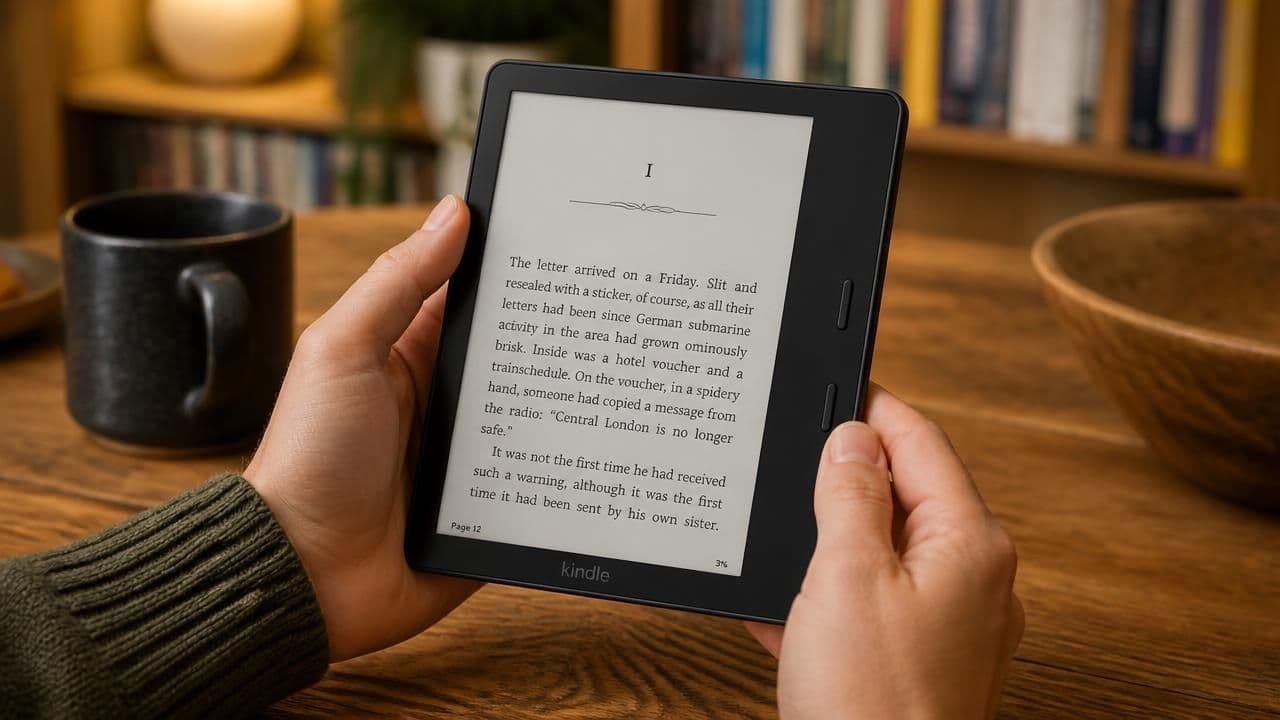
Perhaps the most consequential shift this year is happening online. Artificial intelligence is increasingly embedded in the shopping journey: recommendation engines that surface gift ideas, chatbots that answer sizing and availability questions, and search tools that summarize product reviews before a buyer ever clicks through.
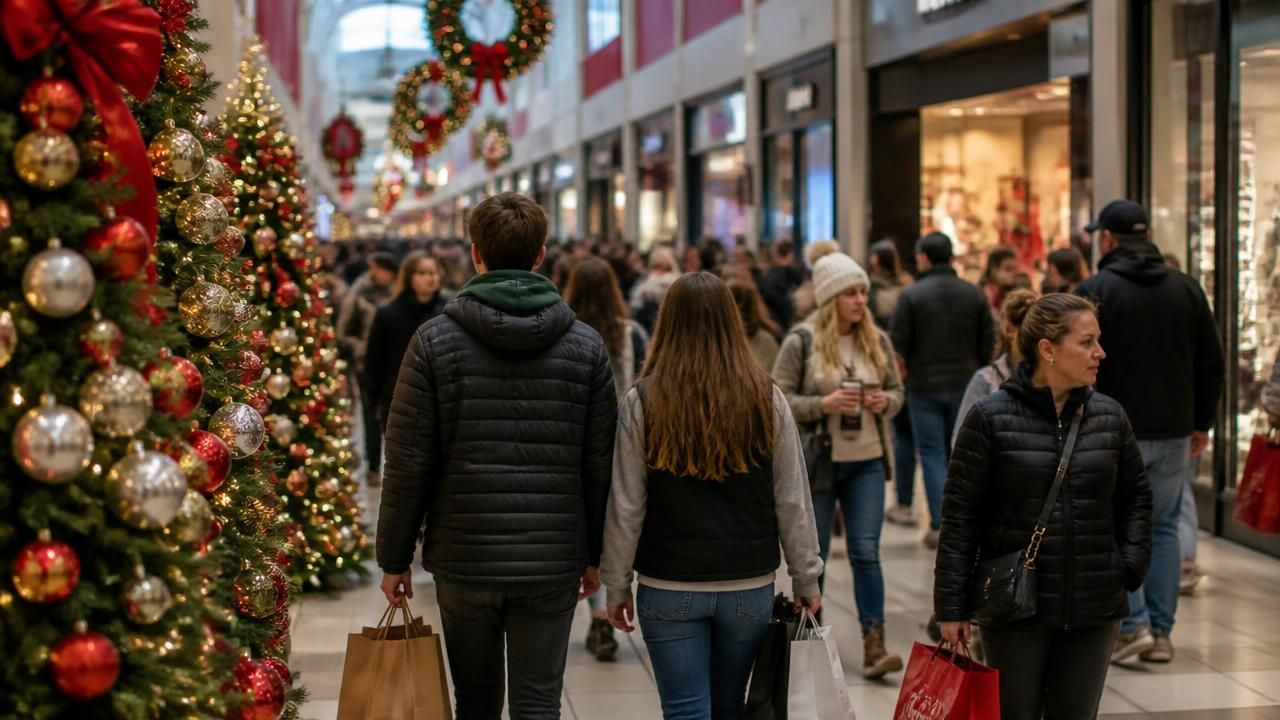
Yet reporting from San Antonio suggests the technology's impact is uneven. For brick-and-mortar malls, the season still runs on foot traffic, family outings and the ritual of browsing in person — dynamics that algorithms have yet to displace. That divide between the digital and physical experience is emerging as one of the defining tensions of the 2025 holiday season: e-commerce keeps getting smarter, while malls keep betting on the things screens cannot replicate.
Main Street's Moment
Local coverage across the country has converged on a common theme: the deliberate push to shop small. In Aiken, merchants reported expectations of a busy season and prepared accordingly. In Charlotte, retail stores geared up for one of their highest-traffic weekends of the year. Warwick Mall staged a Shop Local All Weekend Long Holiday Marketplace, turning square footage into a showcase for independent vendors. In Lodi, the weekend took on a festival character — shop, sip and celebrate — blending retail with food, drink and entertainment. And in Wichita, small businesses readied for a surge they rely on to carry them through slower months.
The emphasis is not purely sentimental. Small and independent retailers typically operate on thinner margins and lack the algorithmic marketing budgets of national chains, making the holiday window disproportionately important to their survival. Community-focused shopping events function as both promotion and protection.
The Data Behind the Rush
Industry analytics firms are also weighing in. Sensormatic Solutions, which tracks retail foot traffic globally, has issued its forecast identifying the busiest holiday shopping days around the world — a planning tool that helps retailers schedule staff and inventory across markets with different cultural calendars.
- Staffing: Retailers are deploying seasonal hires and extending store hours to absorb peak traffic.
- Technology: AI-powered search, recommendations and chat tools are increasingly guiding online gift discovery.
- Localism: Shop-small marketplaces and community events are being used to draw foot traffic back to Main Street.
- Planning: Global foot-traffic forecasts are helping chains align inventory and labor with peak days.
What to Watch
The coming days will offer the first real evidence of how the season is shaping up: whether consumers spend freely or hunt for discounts, whether malls convert browsers into buyers, and whether AI-driven discovery translates into completed purchases or merely fuller carts abandoned at checkout.
For shoppers, the advice circulating across outlets is familiar but durable — set a budget, compare prices, prioritize experiences and local businesses where possible, and start early enough to avoid the crush. For retailers, the stakes are higher. This weekend is not just about sales volume; it is a live experiment in how physical stores and intelligent software share the same customer.
Whichever way the numbers land, one thing is already clear: the holiday shopping season is no longer a single-channel affair. It is a mosaic of malls, main streets, marketplaces and machines — and this weekend, all of them are open for business.