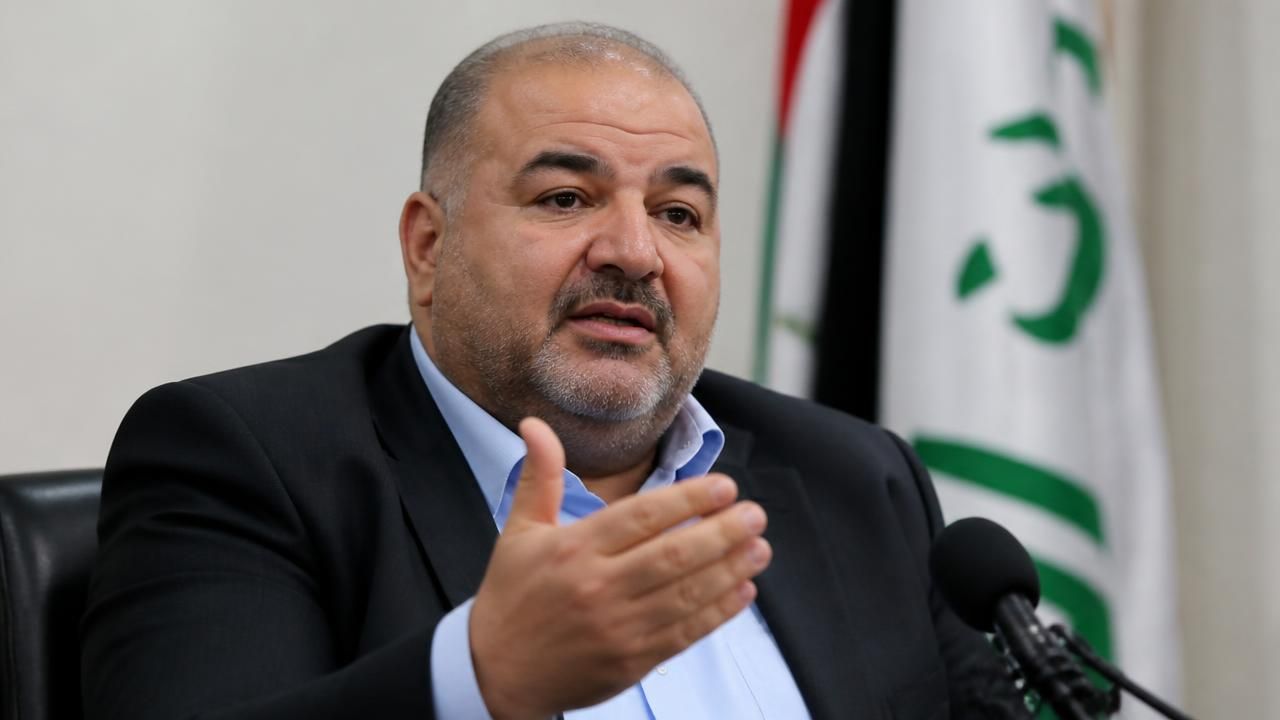
JERUSALEM — Mansour Abbas, the chairman of Israel’s Arab Islamist Ra’am party, has indicated in a television interview that he regards Hamas as a terrorist organization, a statement that could reshape the arithmetic of Israeli coalition politics as opposition figures seek a path to unseat Prime Minister Benjamin Netanyahu.
Reports from Bloomberg Markets, Yahoo News, MSN and Palestinian Chronicle described Abbas’s remarks as a significant step toward enabling a coalition led by former IDF chief Gadi Eisenkot. The timing matters: Eisenkot has been trying to assemble an alternative government, and Ra’am’s four seats could be pivotal if the anti-Netanyahu bloc can agree on a common platform. The New York Times reported separately that an Israeli opposition leader had been tapped to try to form a government, underscoring the fluid and high-stakes nature of the negotiations.
Why the Hamas Label Matters
For years, Arab parties in Israel have walked a careful line on Hamas. They have criticized Israeli military operations and championed Palestinian rights, but most have avoided explicitly adopting Israel’s designation of Hamas as a terrorist group. Ra’am’s move is therefore more than semantics. It is a signal to potential coalition partners that the party is willing to meet a key demand of Zionist parties—especially those that refuse to sit with anyone who does not reject Hamas.
Abbas said his position has 'always been clear,' according to reports. But the public emphasis is new. Bloomberg framed the interview as an indication of Abbas’s views; Palestinian Chronicle and Yahoo described Ra’am as labeling Hamas a terrorist group in a step toward coalition; MSN reported that Abbas was set to declare Hamas a terror group, paving the way for an Eisenkot coalition. The Times of Israel’s blog asked a more pointed question: why don’t Arab parties declare Hamas a terrorist group? That framing reflects pressure from Jewish Israeli commentators and parties who see such a declaration as a test of legitimacy.
“My position has always been clear,” Abbas said in the interview, according to reports, describing Hamas as a terrorist organization.
The Coalition Arithmetic
Ra’am made history in 2021 when it became the first Arab party to support an Israeli government, a decision that gave Abbas unusual influence and made him a target of criticism from both Jewish nationalists and Arab voters. His party’s support helped build a coalition that included right-wing, centrist and left-wing parties—an arrangement that collapsed after a year. Now, with Eisenkot trying to form a government, Abbas faces a familiar dilemma: joining or supporting a government may bring tangible benefits to Arab communities, but it requires compromises that can be portrayed as betrayal.
The immediate question is whether Abbas’s Hamas statement is enough to unlock negotiations. Some Israeli parties may still refuse to rely on Ra’am, and any coalition would need a stable majority in the Knesset. The New York Times’s report that an opposition leader had been tapped to try to form a government suggests the process is moving, but not that it is settled. Coalition talks in Israel are notoriously fragile; a single party can freeze negotiations over a single sentence.
Hamas Responds
Hamas has not ignored the controversy. The Yeshiva World reported that Hamas official Khalil al-Hayya said the group would not accept Israeli eliminations and was weighing its response. That language highlights the broader regional tension: Hamas presents itself as a resistance movement, while Israel and several Western governments designate it as a terrorist organization. Abbas’s statement aligns him with the Israeli mainstream and with Washington and Brussels, but it also places Ra’am closer to the position of parties that have historically treated Arab politicians with suspicion.
For Palestinian citizens of Israel, the debate is deeply personal. Many reject Hamas’s tactics and ideology, but they also resent being asked to pass loyalty tests that are not imposed on Jewish parties. The Times of Israel blog’s question captures that double standard: Jewish Israeli parties are not routinely pressed to declare their views on violent extremist groups in the same way. Abbas’s move may satisfy coalition negotiators, but it could cost him support in the Arab street.
Framing the Story
Different outlets told the story through different lenses. Bloomberg focused on Abbas’s indication and Eisenkot’s attempt to unseat Netanyahu. Yahoo and MSN emphasized the coalition step. Palestinian Chronicle highlighted the Hamas label as Eisenkot seeks partners. The Times of Israel’s blog framed it as a question about Arab parties’ willingness to declare Hamas a terrorist group. The Yeshiva World focused on Hamas’s threat. Together, they show a single event being used to answer larger questions: Can an Arab party be a legitimate coalition partner? What does it mean to condemn Hamas? And how does Israeli coalition math affect Palestinian citizens?
- Bloomberg Markets stressed Abbas’s indication and the Eisenkot challenge to Netanyahu.
- Yahoo and MSN presented the Hamas label as a coalition step and as pressure on the Arab party leader.
- Palestinian Chronicle connected the statement directly to Eisenkot’s search for partners.
- The Times of Israel blog asked why Arab parties do not declare Hamas a terrorist group.
- The Yeshiva World foregrounded Hamas’s threat and al-Hayya’s response.
The coming days will reveal whether Abbas’s statement is a turning point or a tactical concession. If Eisenkot can convert it into a coalition, Ra’am may gain leverage and resources for Arab towns. If the talks fail, Abbas will have taken a political risk without a payoff. Either way, the episode shows how the Hamas question has become a gatekeeping issue in Israeli politics—and how a television interview can reverberate from Jerusalem to Gaza.