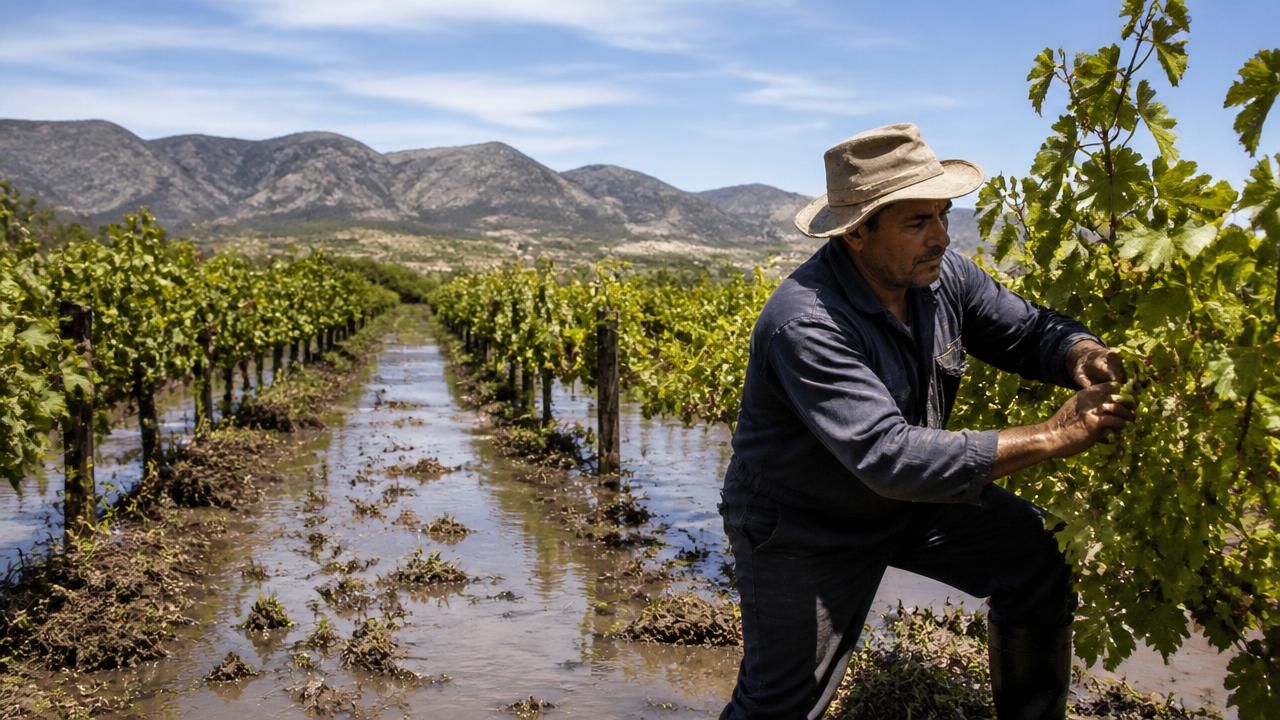
South Africa's high-value fruit export machine is running into a wall of weather, war and currency. Growers are cutting harvest forecasts for grapes and stone fruit after a season of extremes — winter flooding in the Western Cape followed by heat waves widely linked to the El Niño climate pattern — while citrus exporters absorb the twin shocks of disrupted Red Sea shipping lanes and a rand that has strengthened against major trading currencies.
The squeeze matters well beyond the farm gate. Horticulture is one of South Africa's most important agricultural export earners and a significant rural employer, and any wobble in volumes reverberates through packhouses, cold-chain logistics, port operations and the freight and finance businesses that cluster around them.
A season of extremes
According to Bloomberg Markets, adverse weather ranging from winter floods to heat waves associated with El Niño has put South Africa's high-value fruit exports under pressure, with growers trimming forecasts for grapes and stone fruit. The pattern is a familiar one for Southern African agriculture: El Niño years typically bring hotter and drier conditions to the interior and the summer-rainfall regions, but can also deliver unusually heavy downpours and violent storms as atmospheric circulation shifts.
For table grapes and stone fruit — peaches, nectarines, plums and apricots — the timing of heat is as damaging as the amount. A burst of extreme heat during flowering or fruit set can cut yields directly, while sunburn and uneven ripening reduce the share of fruit that meets the cosmetic standards of European and Asian buyers. Flooding brings its own problems: waterlogged soils, root damage, washed-out farm roads and delayed harvests that push fruit into already-crowded shipping windows.
Growers are cutting harvest forecasts for grapes and stone fruit as winter floods give way to heat waves linked to El Niño.
Moneyweb reported the same pressure on producers, underlining that the weather shock is being felt across the sector rather than confined to a handful of farms. The risk is concentrated in the Western Cape and adjacent growing regions, where export-oriented vineyards and orchards sit alongside the seasonal labour forces that depend on them.
Citrus: war, logistics and the rand
If weather is the first squeeze, trade conditions are the second. MSN's coverage framed the citrus sector as caught between "war, floods and a strong rand" — a compact summary of three distinct pressures.
- War and shipping: Attacks on commercial vessels in the Red Sea and the resulting rerouting of container traffic have lengthened transit times and raised freight and insurance costs. Longer voyages are especially punishing for perishable fruit, compressing the window in which exporters can land produce in peak condition and forcing costly re-planning of cold-chain logistics.
- Floods: Localised flooding damages orchards and disrupts harvesting, packing and road transport to port, adding delay on top of delay.
- A strong rand: Because fruit is priced in dollars and euros but much of the cost base — labour, packaging, fuel, electricity — is incurred in rand, a firmer local currency compresses the rand value of every carton shipped. Exporters who hedged at weaker levels face a margin squeeze when the currency rallies.
The combination is awkward for South Africa, which ranks among the world's largest citrus exporters and has spent years cultivating markets in Europe, the Middle East and Asia. Citrus is also politically sensitive at home, with growers and industry bodies long pressing for support on port efficiency, rail logistics and market access. When freight costs rise and transit times stretch, those structural complaints become acute.
Livestock: the fodder timing problem
The weather story does not stop at fruit. A separate MSN report warned that a "super El Niño" could leave South Africa short of grazing, and stressed that the timing of livestock fodder crops is crucial.
That is a subtle but consequential point. In dry years, communal and commercial livestock farmers rely on planted fodder — maize silage, sorghum, oats and other forage crops — to bridge the gap when natural pasture fails. If the rains arrive late or fail altogether, farmers who plant fodder too early lose the seedbed to moisture stress; those who plant too late miss the window before winter. Getting the planting date right is the difference between having feed and being forced to buy it at elevated prices or cull herds.
Analysts note that livestock losses compound over seasons rather than resolving within one. Herd rebuilding after a drought takes years, and culling in response to feed shortages depresses prices in the short term while reducing supply later.
Why it matters
Taken together, the reports sketch a sector absorbing simultaneous shocks on the production, logistics and currency fronts — a combination that is harder to manage than any one alone. Individual growers can hedge currency and diversify markets, but they cannot hedge a heatwave or reroute a container ship.
The broader economic stakes are significant. Agriculture supports a large share of employment in rural provinces, and horticulture in particular generates foreign exchange and sustains thousands of seasonal jobs. Weather-driven volume losses and margin compression threaten that employment base and feed through to rural spending.
What to watch in the coming months: whether El Niño-driven heat persists into the next harvest window; whether freight rates on alternative routes stabilise as shipping lines adjust to longer voyages; how the rand trades against the dollar and euro; and whether early-season fodder plantings get the moisture they need. Each of those variables will determine whether this is a difficult season or the start of a longer squeeze for South African producers.