An East Coast storm is threatening to turn this year’s Thanksgiving travel rush into a test of patience and logistics, prompting airlines to waive flight change fees as forecasters warn of coastal flooding and disrupted routes. The same holiday news cycle delivered a separate political jolt: a federal judge has found that the Federal Communications Commission violated ABC’s free-speech rights by moving to punish the network over satire that President Donald Trump dislikes, according to NPR.
Storm puts holiday travel on edge
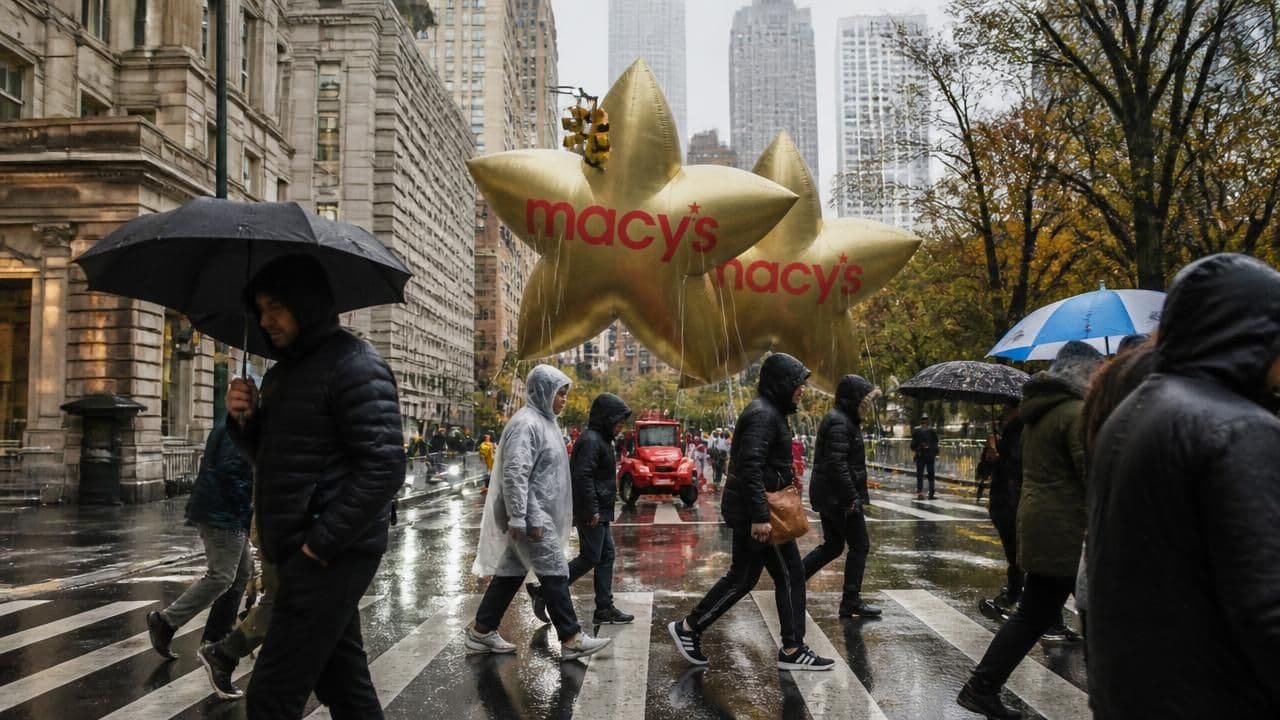
NPR reported that the East Coast’s weather is a major concern this holiday, with the potential for coastal flooding. The warning lands during one of the busiest travel periods of the year, when airports, highways and rail corridors are already stretched by holiday demand. A storm that pushes water into coastal communities can quickly cascade into canceled flights, flooded roads and delayed trains, turning a routine trip home into an improvised logistical exercise.
“The East Coast’s weather is a major concern this holiday, as it could lead to coastal flooding,” NPR reported.
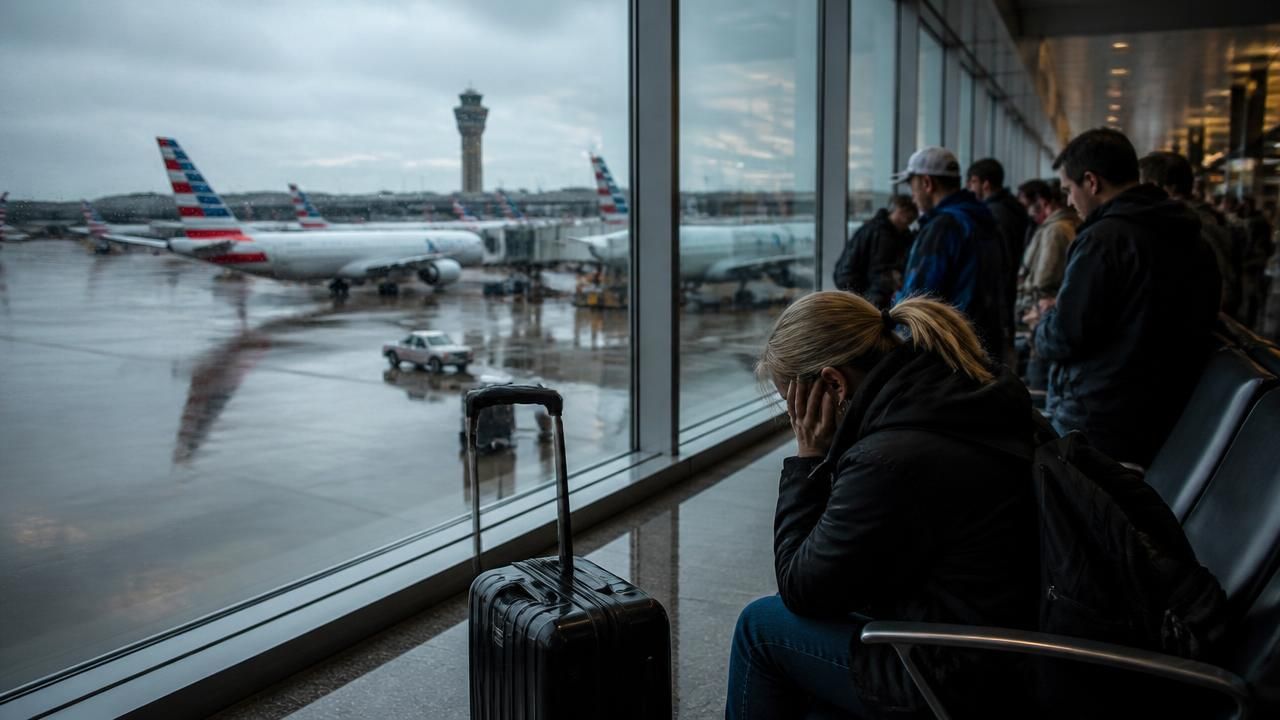
ABC10 reported that airlines are waiving flight change fees as the Thanksgiving storm threatens East Coast travel. Such waivers are a common industry response when severe weather threatens to strand passengers: they give travelers room to rebook without paying the usual penalty, even if the forecast remains uncertain. For families trying to reach relatives on a fixed timetable, the difference between a fee waiver and a rigid ticket can determine whether a holiday plan survives.
MSN’s coverage took a map-first approach, with headlines emphasizing where Thanksgiving storms could disrupt the holiday. That framing reflects how weather risks are often communicated in the smartphone era: not just through warnings but through visual projections of timing, geography and impact. For travelers, the practical question is less about the storm’s name than about which airports, roads and coastal communities sit in its path.
Why coastal flooding matters for travel
Coastal flooding is especially disruptive because it does not stay contained to beaches. It can inundate low-lying roads, overwhelm drainage systems, force rail slowdowns and create ripple effects across airport schedules. Even travelers far from the shoreline can feel the consequences when aircraft and crews are displaced from major hubs. The storm threat also arrives as airlines and airports are managing high volumes, leaving little slack in the system for weather-driven delays.
The airline waivers reported by ABC10 are designed to relieve some of that pressure. Travelers who can shift their plans may avoid the worst of the congestion, while those who cannot will be watching forecasts and airline apps closely. The broader travel industry has learned that flexibility is both a customer-service tool and an operational necessity: when storms hit, airlines would rather move passengers proactively than rebook them in a scramble.
Judge rebukes FCC in ABC satire case
In the political and legal arena, NPR’s roundup paired the storm story with a First Amendment development involving the FCC and ABC. The judge’s conclusion, as summarized by NPR, was blunt: the FCC cannot punish ABC for satire Trump does not like. The ruling is significant because the FCC regulates broadcast licenses, but that authority does not give the agency carte blanche to penalize speech because an official dislikes the content.
“The judge says the FCC can’t punish ABC for satire Trump doesn’t like,” NPR reported, framing the decision as a direct rebuke to attempts to use regulatory authority against political criticism.
The case touches on longstanding American constitutional principles. Satire and parody have long been treated as protected expression, even when they annoy powerful figures. Courts have repeatedly guarded against government retaliation aimed at speech, and the ruling suggests that an agency’s regulatory power cannot be wielded as a weapon against broadcasters whose comedy or commentary offends the White House. The decision also raises questions about agency independence and the line between oversight and political pressure.
Political and legal context
The FCC’s mandate is rooted in the public interest, but the First Amendment places limits on how far regulators can go in policing content. The judge’s ruling, as described, reinforces that principle at a moment of heightened tension over media, political speech and the use of government institutions to respond to criticism. For ABC, the decision removes an immediate regulatory threat. For the FCC, it is a reminder that courts will scrutinize whether enforcement actions are motivated by retaliatory intent rather than neutral policy.
How outlets framed the story
Coverage reflected different entry points into the same holiday news cycle. NPR’s roundup placed the storm and the court ruling side by side, treating them as two urgent developments shaping the week. ABC10 led with consumer travel news—airline fee waivers—while MSN used maps to answer where disruptions could hit. The common thread is a Thanksgiving period shaped by forces beyond travelers’ control, from weather systems to legal fights in Washington.
The juxtaposition is also a reminder of how news is packaged. A single NPR briefing can move from coastal flooding to constitutional law in a few sentences, while local and travel outlets focus on the practical consequences: rebooking policies, road conditions and storm timing. Together, the coverage gives a fuller picture of a holiday under strain—one in which families are watching the sky, and media lawyers are watching the courts.
What travelers and watchers should know
- Check airline waivers before canceling or rebooking; ABC10 reported that carriers are offering flexibility as the storm threatens East Coast travel.
- Monitor coastal flood warnings and local road conditions, especially in low-lying areas where flooding can cut off routes.
- Expect ripple effects at major airports even if local weather is calm, because displaced aircraft and crews can delay flights elsewhere.
- Follow the FCC case for its implications for broadcasters, satire and the limits of regulatory power over political speech.
For now, the immediate story is the Thanksgiving getaway: a storm that could disrupt plans for millions and force airlines into the familiar rhythm of waivers, rebookings and weather alerts. But the judge’s ruling against the FCC adds a longer-term dimension. It affirms that satire remains protected, and that regulators cannot punish a network simply because its comedy angers a president. In a holiday week defined by travel and family, the two stories converge on a familiar theme: institutions, like travelers, are being tested by forces they cannot fully control.