Federal judges in Washington have temporarily blocked two of President Donald Trump’s most visible construction projects, delivering an 11th-hour pause to the proposed 250-foot triumphal arch and halting — at least for now — the administration’s plan to close and redevelop the historic East Potomac Park golf course.
The rulings are not final. They are short-term restraints that keep the projects in legal limbo while courts weigh broader challenges. A federal judge extended an order blocking construction of the arch for 14 days, according to the Associated Press, after earlier orders twice delayed the project. Another judge kept East Potomac Park open, blocking the administration from moving ahead with renovations hours before the course was set to close.
A 250-foot arch, and a clock
The arch — described in court filings and news reports as a memorial or triumphal arch — has become a test of how quickly the administration can advance a signature Trump project on federal land in the capital. NPR reported that judges have put the arch and the golf course on hold, but only for a matter of days. The New York Times reported that a judge kept in place a block on construction. AP reported a 14-day extension of the order blocking the memorial arch.
‘Judges have put Trump’s arch and golf course on hold, but only for a matter of days,’ NPR reported, underscoring that the rulings are temporary rather than final.
The timing has been dramatic. WWNO reported that a judge blocked construction at the 11th hour. The government has signaled it wants work to begin, and Virginia and the District of Columbia have sued over the arch, adding another layer to the legal challenges, according to Local10. The Atlantic, in commentary, argued that Trump may come to regret what it called a rush job on the arch and ballroom, suggesting that speed could create legal and political exposure.
East Potomac Park: public course, private fight
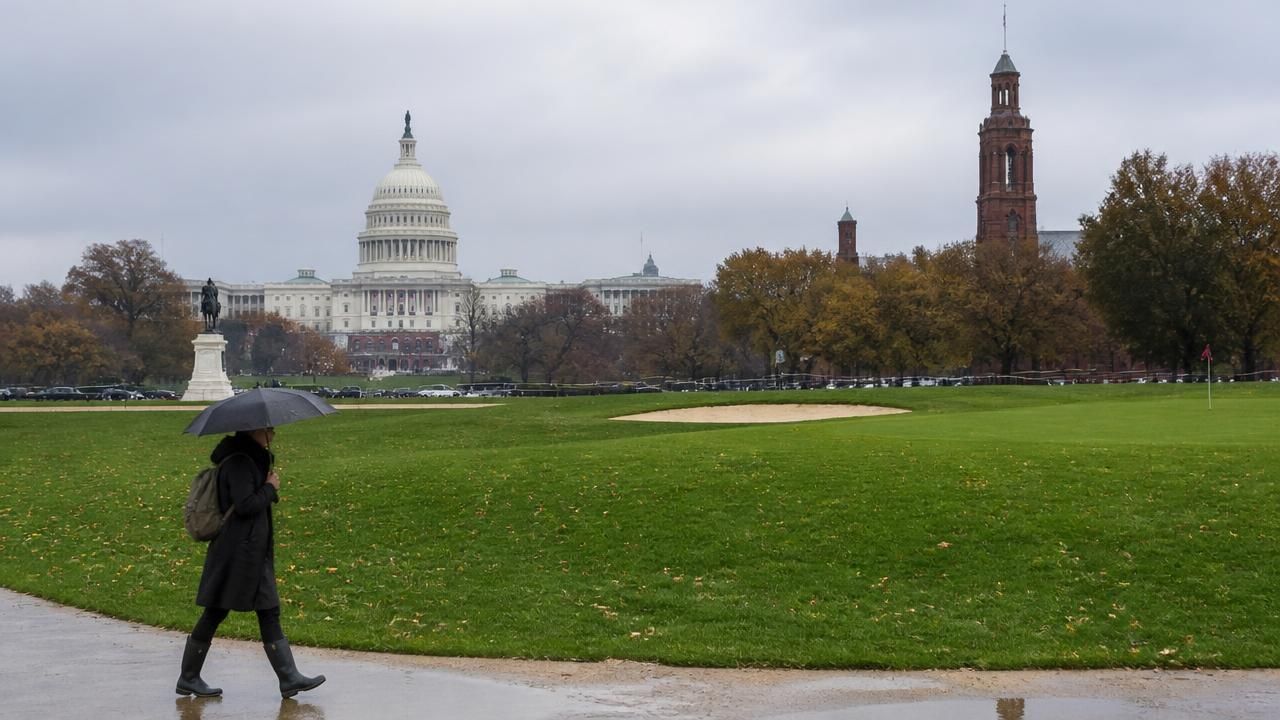
The golf course fight centers on East Potomac Park, a public course in Washington. A federal judge temporarily blocked Trump from moving ahead on the redevelopment, HuffPost reported, and another order required the park to remain open, according to MSN. Fox News’ OutKick framed the ruling as a federal judge blocking Trump’s renovations hours before the course’s closure. The administration had been preparing to close the course and begin work; Trump said hours after the judge’s order that he would close East Potomac on November 15 anyway, MSN reported.
The project has also drawn scrutiny from a federal arts panel, which gave mixed feedback on the proposed golf course redesign on Thursday, according to NPR. And the administration has signaled a plan for seawall work at the Washington golf course as the legal fight drags on, MSN reported — a sign that officials may try to proceed with pieces of the project even as the broader redevelopment is tied up in court.
Why it matters
The cases are part of a wider political and legal battle over Trump’s imprint on Washington. Democrats want to stop the arch, the golf course plan and other Trump-linked projects, KUNM reported, though their options are largely legal and legislative. The disputes raise questions about public land, historic preservation, procurement and the limits of executive action when projects face court challenges.
Coverage of the rulings reflected competing frames. NPR and AP emphasized the provisional, clock-limited nature of the orders. Fox News’ OutKick highlighted the timing hours before closure. HuffPost cast the golf course as a public asset. MSN focused on Trump’s defiance and the administration’s seawall signal. Local10 focused on the Virginia and D.C. lawsuit over the arch. The Atlantic framed the rush as a potential political regret.
For now, the judges’ orders mean the arch cannot proceed and East Potomac Park must remain open — but only for a matter of days unless courts extend the pauses or rule on the merits. The next hearings and any appeals will determine whether Trump’s arch and golf course plans move forward, are redesigned, or are stopped altogether. The government has signaled it wants work to begin; opponents argue the administration is trying to outrun both the courts and public scrutiny. The temporary rulings ensure that neither side can claim a final victory yet.