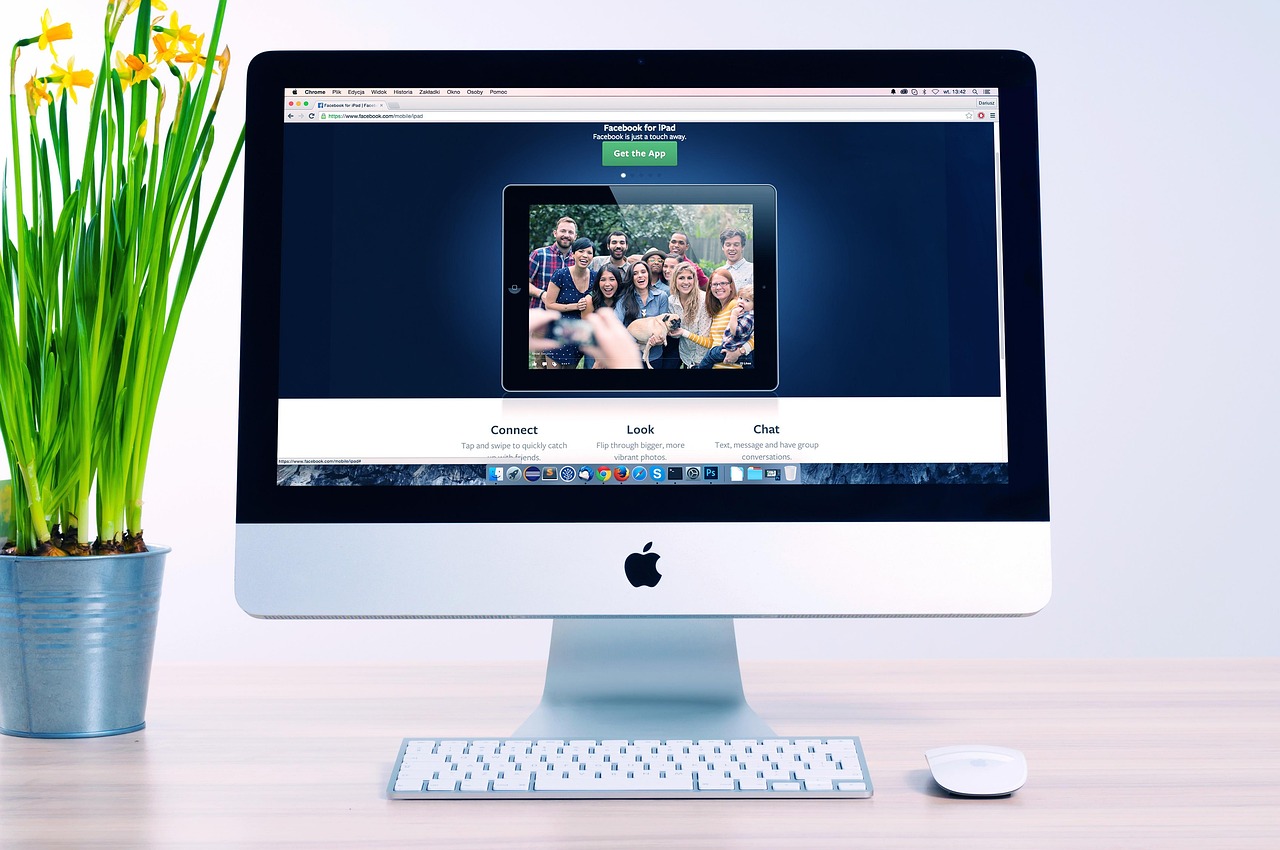
Apple has refreshed its signature all-in-one desktop with the M6 chip, and the message from reviewers is remarkably consistent: the iMac remains one of the most appealing computers you can put on a desk, even if it isn't the machine that pushes the Mac platform forward. The new iMac starts at $1,499 — the same entry price as the model it replaces — and represents the fourth Apple Silicon refresh of the product line.
The announcement, which also included a new MacBook Pro powered by the M6, was covered across a wide range of outlets, from MacRumors and MacStories to CNN, Digital Trends, and PetaPixel. The consensus framing: this is an evolution, not a reinvention, and the most interesting thing about it may be the chip Apple chose to skip.
A Familiar Design, Deliberately Unchanged
Ars Technica captured the spirit of the machine better than most, noting that the Apple Silicon iMac "has always been more interested in looking backward." Its thin, screen-on-a-stand silhouette is a direct descendant of the original Bondi Blue G3 iMac — a design language so recognizable that the computer now appears regularly in small offices and on television shows depicting small offices. It is no longer Apple's primary workstation, but it remains one of its most visible.
Reviewers at MSN and The Gadgeteer echoed that assessment, describing the M6 iMac as "faster everywhere and familiar everywhere else" and "new M6 muscle, same timeless all-in-one." PetaPixel framed the update around the machine's defining trait: Apple's ">very colorful iMac" is still colorful, still cheerful, and still unmistakably an iMac.
The M6 Story: Skipping the M5
The most technically significant detail is that Apple moved directly from the M4 to the M6, bypassing an M5 generation entirely for this product. TechRepublic flagged the leap directly with the headline "Apple Skips M5 With New M6 iMac: What's Changed," while Digital Trends argued the decision produced a bigger jump than expected.
"M6 iMac vs. M4 iMac: Skipping the M5 made a bigger difference than I expected." — Digital Trends
For buyers upgrading from an M4 iMac — or, more likely, from an Intel-era or M1 machine — the generational gap translates into noticeably better CPU and GPU performance, improved efficiency, and headroom for the workloads Apple is increasingly steering users toward. Geeky Gadgets reported that the refresh pairs the faster silicon with a set of new AI features, aligning the desktop with Apple's broader push into on-device intelligence.
More Power, Same Price
Perhaps the strongest argument for the new model is economic. Multiple reviewers highlighted that Apple kept the $1,499 starting price intact while boosting performance — a combination MSN's reviewer called "a winning combination." CNN's coverage posed the question more skeptically, asking outright whether the machine is "worth $1,499," a reminder that the iMac's value proposition has always depended heavily on whether you want the screen and the computer in one package.
That tension is the heart of the iMac's modern identity. Apple's other desktops have evolved aggressively: the MacBook Pro adopted a more pro-focused design, the Mac mini shrank, and the Mac Studio effectively forced Apple to concede it no longer wanted to build a Mac Pro. The iMac, by contrast, has stayed put — and reviewers largely agree that's fine, because the people buying it are buying the form factor as much as the chip.
The Upgrade Question: M6 or M4?
TechRepublic's coverage offered one of the more useful counterpoints: the M4 iMac still makes a strong case for itself. For anyone who bought one recently, or who can find remaining stock at a discount, the previous generation remains more than capable for everyday work — web browsing, documents, video calls, and light creative tasks. The M6's advantages matter most for buyers coming from older hardware or those who want longevity and AI feature support.
That framing matters because the iMac's audience is rarely chasing benchmark scores. It is a machine bought for a home office, a reception desk, a classroom, or a small business where the all-in-one design eliminates cable clutter and setup headaches.
What It Means for Apple's Lineup
The simultaneous reveal of an M6 MacBook Pro signals that Apple is refreshing its lineup on a faster cadence than in previous years — and that the M-series roadmap may now prioritize generational leaps in capability over strict annual increments. Skipping the M5 for the iMac could reflect either a manufacturing decision, a product segmentation strategy, or simply the reality that desktop buyers upgrade less often.
What is clear is that the iMac no longer needs to be the center of Apple's computing story to remain one of its most successful products. It is the approachable Mac — the one that looks good in a room, requires almost no thought to set up, and now runs on the fastest silicon Apple has put in it yet.
- Price: Starts at $1,499, unchanged from the prior generation
- Chip: Apple M6, skipping the M5 entirely
- Generation: Fourth Apple Silicon iMac refresh
- Design: Unchanged all-in-one chassis in Apple's signature color range
- New features: Faster CPU/GPU performance plus expanded AI capabilities
- Also announced: MacBook Pro with M6
For most buyers, the verdict lands where reviewers landed: a worthwhile, well-priced refresh that doesn't reinvent the iMac — and doesn't need to. The M4 remains a sensible budget alternative, but the M6 is the better long-term purchase, and it arrives without a price increase to argue against.