A Mississippi police officer who fired into a fleeing vehicle in a Walmart parking lot and killed a 1-year-old boy has resigned from the Senatobia Police Department, the city's mayor confirmed — a departure that came only days after state investigators declined to bring charges against him and as new reporting raised pointed questions about his conduct on the job.
The child, Kohen Wiley, was 1 year old. His death has become a flashpoint in Senatobia, a small city of roughly 8,000 people in Tate County, about 40 miles south of Memphis, and a test case for how Mississippi reviews use-of-force incidents involving very young children.
What Happened
The shooting occurred in a Walmart parking lot in Senatobia, where the officer fired at a car that was pulling away. Kohen, inside the vehicle, was struck and killed. The mayor's office confirmed the officer's resignation in statements carried by multiple outlets, including The Associated Press, NBC News, MSN and the Rutland Herald, which reported that the officer had stepped down from the department.
The sequence of events has drawn national scrutiny for two reasons: the age of the victim, and the speed with which the state's review concluded.
A State Review, Then a Resignation
According to AL.com, the officer resigned just days after the state cleared him in the fatal shooting — meaning the resignation followed, rather than preceded, a decision not to pursue charges. That timing has fueled criticism from the family and community advocates, who argue the review moved too quickly and without sufficient public accounting.
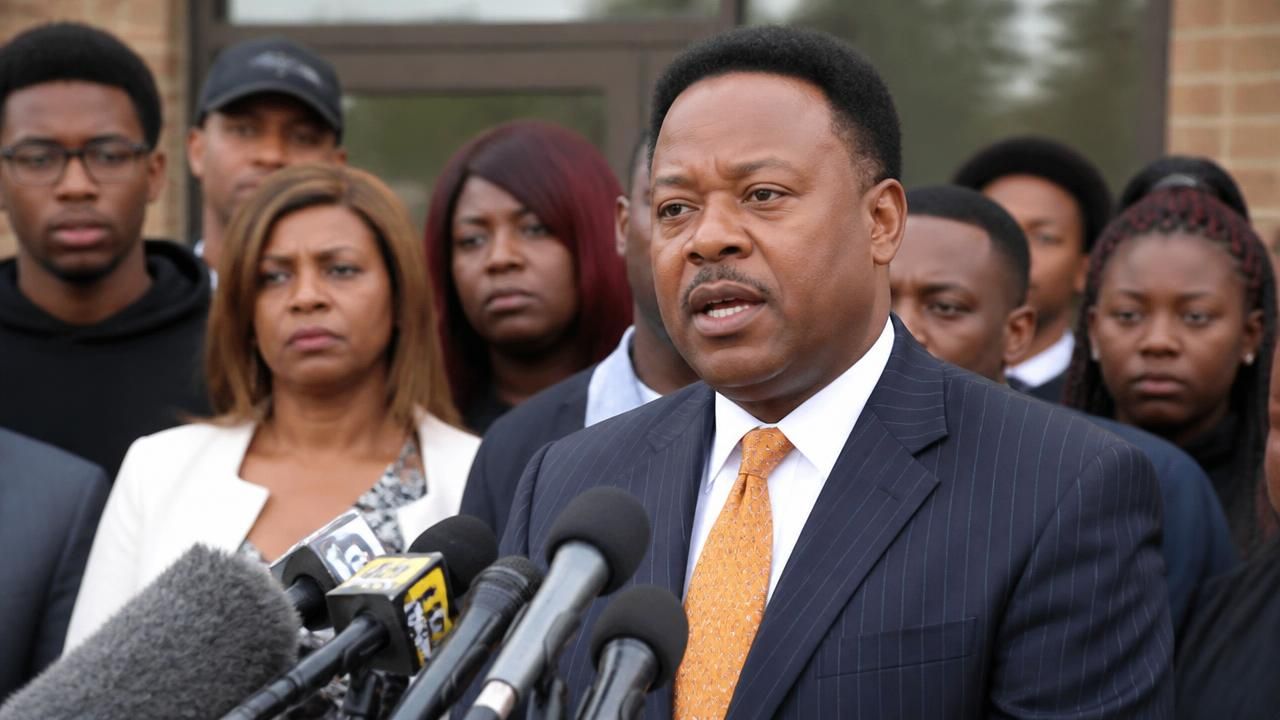
The parents of the child protested at the Mississippi Attorney General's Office, according to The Associated Press, pressing for a fuller investigation and for accountability in a case that, in their view, has been handled with unusual dispatch. The protest underscored a widening gap between official determinations and the family's demands for transparency.
New Video, New Questions
The most consequential development may be a review of body-camera and other video by The New York Times, which reported that the officer had a documented pattern of escalating encounters — punching, cursing and drawing his weapon in situations that escalated rather than de-escalated.
A new examination of video footage shows that the officer who shot at a fleeing car in a Walmart parking lot, killing a boy, had previously ramped up encounters by punching, cursing and drawing his weapon.
A separate Times report described the footage as showing "critical policing errors" in the fatal shooting itself, suggesting that the tactical decisions leading up to the gunfire are now a central area of dispute.
How Different Outlets Framed It
- The New York Times focused on the officer's record and the mechanics of the encounter, treating the case as a policing-practices story and reconstructing the shooting frame by frame.
- The Associated Press centered the family, reporting on the parents' protest outside the Attorney General's Office and their demand for accountability.
- AL.com emphasized the timeline — the state's clearance followed by the resignation — raising the question of whether accountability was achieved by the review or by public pressure.
- NBC News, MSN and the Rutland Herald led with the personnel news: the officer's resignation, confirmed by the mayor.
- TMZ framed the story around the resignation itself, reflecting how the case has moved from local coverage into the national tabloid and social-media bloodstream.
The Broader Context
Mississippi has no statewide, independent investigative unit dedicated solely to police shootings, and use-of-force reviews typically run through local agencies, district attorneys and the state Attorney General's office. Critics have long argued that this structure makes transparency dependent on individual officials and on journalists who can obtain video.
The case echoes a broader national pattern in which video evidence — obtained and reconstructed by news organizations rather than released proactively — reshapes public understanding of a shooting months after official reviews have concluded. In several high-profile cases nationally, departmental findings of justified force have been revisited after frame-by-frame analyses revealed tactical errors, conflicting accounts or prior conduct by the officer involved.
Senatobia officials have not detailed what, if anything, the officer's resignation means for the department's internal review, whether the case remains open, or whether the city will release the underlying footage. The Attorney General's office has not indicated it will reopen its review.
What Comes Next
For Kohen Wiley's family, the resignation is not an ending. The protest at the Attorney General's Office signals a push for a fresh, independent inquiry and for public release of the full video record. Civil litigation is a likely next avenue; wrongful-death claims against municipalities often proceed on questions of whether an officer's decision to fire at a moving vehicle was reasonable and whether prior conduct should have prompted earlier intervention by supervisors.
The case also places renewed attention on hiring, training and supervision standards in small Southern departments, where staffing shortages can limit oversight. Reporting on the officer's prior encounters raises the question of whether complaints or reviews existed before the shooting and, if so, what was done with them.
For now, the official record stands as a clearance followed by a resignation — and a family still pressing for answers in a case that the state appears ready to close.