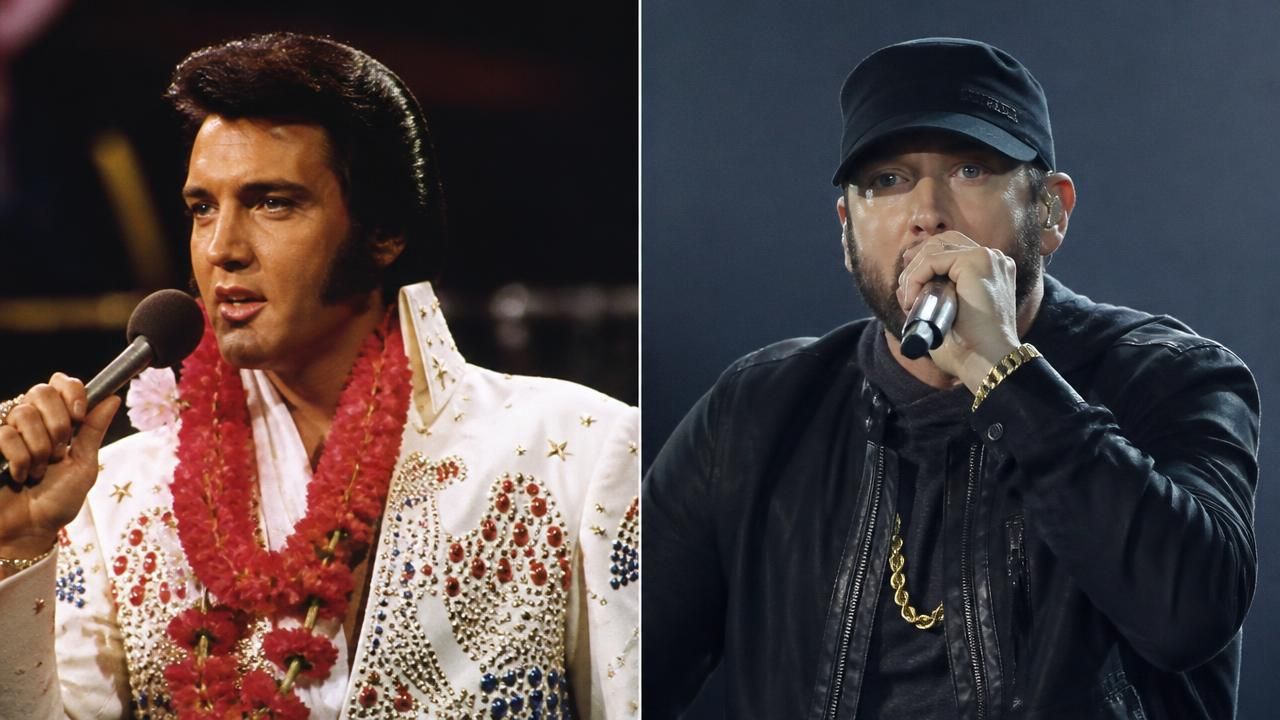
Elvis Presley's rights holders and the publisher behind some of Eminem's biggest records have filed separate but closely watched lawsuits against AI music company Suno, accusing it of generating music and lyrics that mimic the artists without authorization. The filings, reported by The Verge, Billboard, MSN, DancehallMag and other outlets, mark one of the first major courtroom tests of Tennessee's Ensuring Likeness Voice and Image Security Act — the ELVIS Act — and add to a growing wave of copyright and right-of-publicity battles over generative AI.
Two Cases, One Target
In the Presley action, lawyers for the estate and rights holders argue that Suno 'mechanically encoded itself with artists' identities, hard-work, creativity, and time, and harnessed them all' to train and operate its model. The suit claims the company violated the ELVIS Act, which makes it illegal to clone a singer's voice using AI, as well as other rights. Billboard framed the claim bluntly: 'Elvis' Identity Was Stolen.' The suit is among the first significant applications of a state law designed specifically for the age of voice-cloning tools.
The lawyers in the Presley suit claim that Suno has violated Tennessee's Ensuring Likeness Voice and Image Security Act, which makes it illegal for an AI company to clone a singer's voice.
The Eminem publisher's suit seeks about $41 million, according to DancehallMag, MSN and other reports. It alleges Suno reproduced protected lyrics and compositions and used them to train and generate output. Together, the cases target both sides of AI music: the sound-alike voice and the underlying songwriting. The Verge described the actions as yet another pair of lawsuits for Suno, which has already faced intense scrutiny from major record labels and music publishers.
Why the ELVIS Act Matters
Tennessee enacted the ELVIS Act in 2024, updating state right-of-publicity law for the generative AI era. It allows singers, musicians and rights holders to sue when AI tools clone a voice without permission. Voiceoverherald noted that the Presley case is 'one of the first big tests' of the statute. If successful, it could set a template for artists nationwide; if not, it may clarify the limits of voice protection in an era when a few prompts can produce a convincing sonic imitation.
Legal observers say the distinction between copyright and likeness matters. Copyright protects specific recordings and compositions, while the ELVIS Act protects voice identity. For artists and estates, the latter may be easier to explain to a jury: a synthetic Elvis voice is instantly recognizable, even when the underlying song is new. That makes the Presley suit a potentially more direct challenge to AI music generators than traditional infringement claims alone.
The Anthropic Thread and Conflicting Coverage
Coverage was not uniform. Some headlines, including a Yahoo Finance item and a Billboard report, said Elvis Presley's rights holders sued Anthropic over 274 songs and sought up to $41.1 million in statutory damages. That has created confusion: the core filings described by The Verge and others target Suno, while the Anthropic reports point to a parallel legal front against another AI developer. The common thread is the same: music rights holders are testing whether AI companies can ingest iconic catalogs and produce mimetic output without licenses.
How the press framed it
- The Verge emphasized that Suno is facing yet another pair of lawsuits and highlighted the Presley suit's ELVIS Act claims.
- Billboard focused on the estate's allegation that Elvis' identity was stolen and on the Anthropic suit over Presley music.
- DancehallMag and MSN reported that Eminem's publisher is seeking $41 million from Suno.
- Voiceoverherald framed the Presley action as an early test of Tennessee's ELVIS Act.
The Wider AI Music Fight
Suno is one of the highest-profile AI music generators, allowing users to type prompts and receive songs. It has faced earlier lawsuits from major record labels. The new suits add name-and-likeness claims, not just copyright, and they arrive as publishers and estates grow more aggressive about AI training data. The cases could shape licensing markets: if courts side with rights holders, AI music companies may need licenses for voices and songs, raising costs and slowing model development. If AI firms prevail on fair-use or other defenses, artists may push for new legislation.
The Eminem publisher wants about $41 million. The Presley estate wants the court to recognize that voice cloning crosses a legal line. And the ELVIS Act, once a state-level novelty, is now on the national stage. As The Verge reported, the Presley suit alleges that Suno 'harnessed' artists' identities for its product. The music industry is watching both cases — and the Anthropic litigation — to see how far AI music can go before it needs permission.