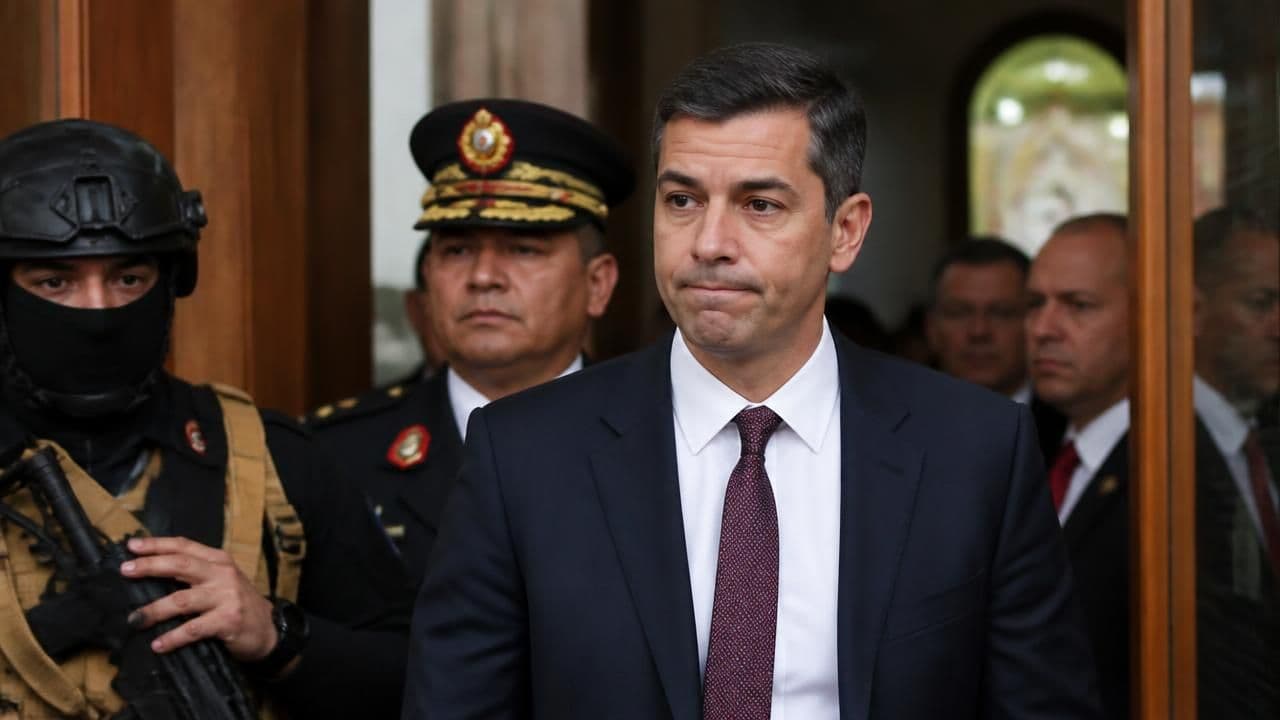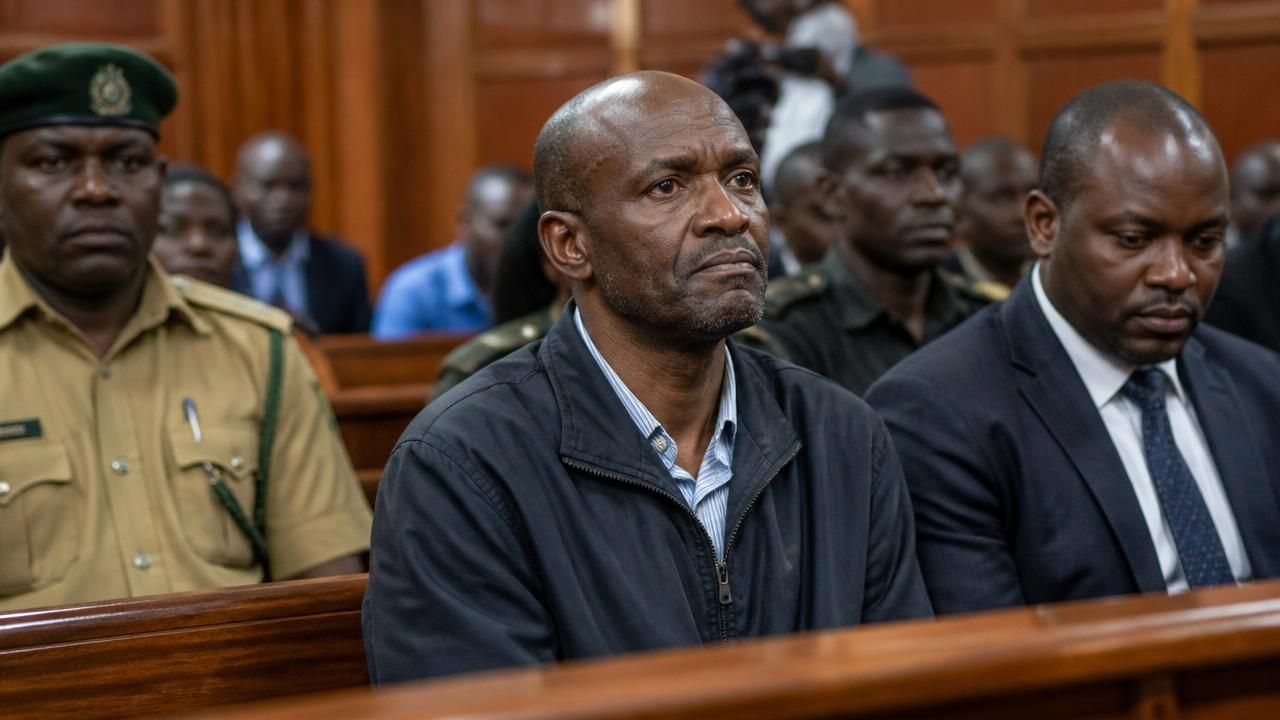
Paul Nthenge Mackenzie, the self-proclaimed pastor who led a Kenyan doomsday sect whose followers were ordered to starve themselves and their children to death, has been sentenced to 200 years in prison for the murders of 190 children and one adult — one of the worst cult-related catastrophes in modern history.
The sentence was handed down at the High Court in the coastal city of Mombasa, roughly two weeks after the court convicted Mackenzie of the killings. It is composed of two consecutive terms: 100 years for murder by starvation and a further 100 years for direct homicide, a structure the court appears to have used to reflect the two distinct mechanisms by which the victims died.
How the case unfolded
The story stretches back to April 2023, when police acting on a tip-off entered the Shakahola forest, an isolated expanse of scrubland near the coastal town of Malindi, and found dozens of emaciated survivors and shallow graves. Over the following months, investigators exhumed more than 400 bodies from the forest, many of them children, in a grim process that stretched on for weeks and repeatedly paused because of the scale of the task and the difficulty of matching DNA samples to relatives.
Prosecutors said Mackenzie, who founded the Good News International Ministries, preached that starvation was the fastest route to salvation and that families should withdraw from the world — including schools, hospitals and work — before the end of days. Followers were told to fast to death, and autopsies later indicated that while starvation was the most common cause of death, some victims, including children, had been strangled, bludgeoned or suffocated.
The 191 counts on which Mackenzie was sentenced this week are a subset of the wider death toll. He faces separate proceedings, including manslaughter charges relating to 191 children, terrorism-related counts and allegations of child cruelty, torture and human trafficking. He has denied the charges and, according to reports from the trial, mounted a defence that tested the patience of the court and at times disrupted proceedings.
Differing emphases in coverage
International outlets framed the verdict in subtly different ways. The Guardian, the New York Post and Israel's Ynetnews led on the number of children killed — 190 — placing the emphasis on the sect's targeting of families. Other reports, including several syndicated across MSN, foregrounded the total of more than 400 followers who died in the forest, or described the conviction as covering "191 murders" without splitting the count between children and adults. Al Jazeera and RFI kept the headline simple: a starvation cult leader sentenced to 200 years. Reuters, meanwhile, described the conviction as covering the deaths of "nearly 200 children."
The differences are partly arithmetic and partly legal. Not every body recovered from Shakahola has been tied to a specific charge, and the prosecution has proceeded in stages, prioritising the strongest cases. That gap between the 400-plus bodies exhumed and the 191 counts before the court has been a persistent source of frustration for victims' families.
"The court found that the accused ordered his followers to starve themselves and their children to death, and that he bore responsibility for the deaths that followed." — summary of the Mombasa High Court ruling, as reported by media at the sentencing
A sect that slipped through the cracks
Mackenzie was not an unknown figure to Kenyan authorities. He had been arrested and charged repeatedly before the Shakahola tragedy — in 2017 over radicalisation allegations and in 2019 over operating an unlicensed church and promoting a school boycott — but each time he was released, often on bail. He subsequently moved his congregation to the remote forest, where he established what amounted to a self-contained settlement.
The case triggered a reckoning over how Kenya regulates religious organisations. A government task force recommended tighter oversight of churches, mandatory registration and a review of the constitutional protections that have made it difficult for the state to intervene in religious affairs. President William Ruto, who at the time described Mackenzie as a "terrible criminal" who deserved to be jailed, has faced pressure to convert those recommendations into law.
Legal analysts say the 200-year sentence is largely symbolic, given Kenya's penal code and Mackenzie's age, but underscores the severity with which the court viewed the crimes. Under Kenyan law, sentences for separate offences can run consecutively where the court deems it appropriate, and the scale of Shakahola gave the judge unusual latitude.
What happens next
- Further trials: Mackenzie still faces terrorism, child cruelty and torture charges, as well as the manslaughter case relating to 191 children, meaning more proceedings — and possibly more convictions — are expected.
- Co-accused: Several of his associates and followers were convicted alongside him and are awaiting sentencing, which is likely to test how far the court extends culpability to those who obeyed rather than issued orders.
- Victim identification: Work to identify the remaining exhumed bodies continues, with families in Malindi and beyond still waiting for confirmation of what happened to relatives who entered the forest and never returned.
- Regulation: The case has become the central argument in Kenya's push to tighten oversight of religious groups, a debate that pits constitutional guarantees of freedom of worship against calls for stronger consumer-style protection for congregants.
For the families of Shakahola, the sentence closes one chapter of a story that began with promises of salvation and ended in mass graves in the coastal bush. For Kenya, it raises harder questions about how a man who had been warned about by police, courts and the media for years was able to gather hundreds of families into a forest and starve them to death before the state intervened.