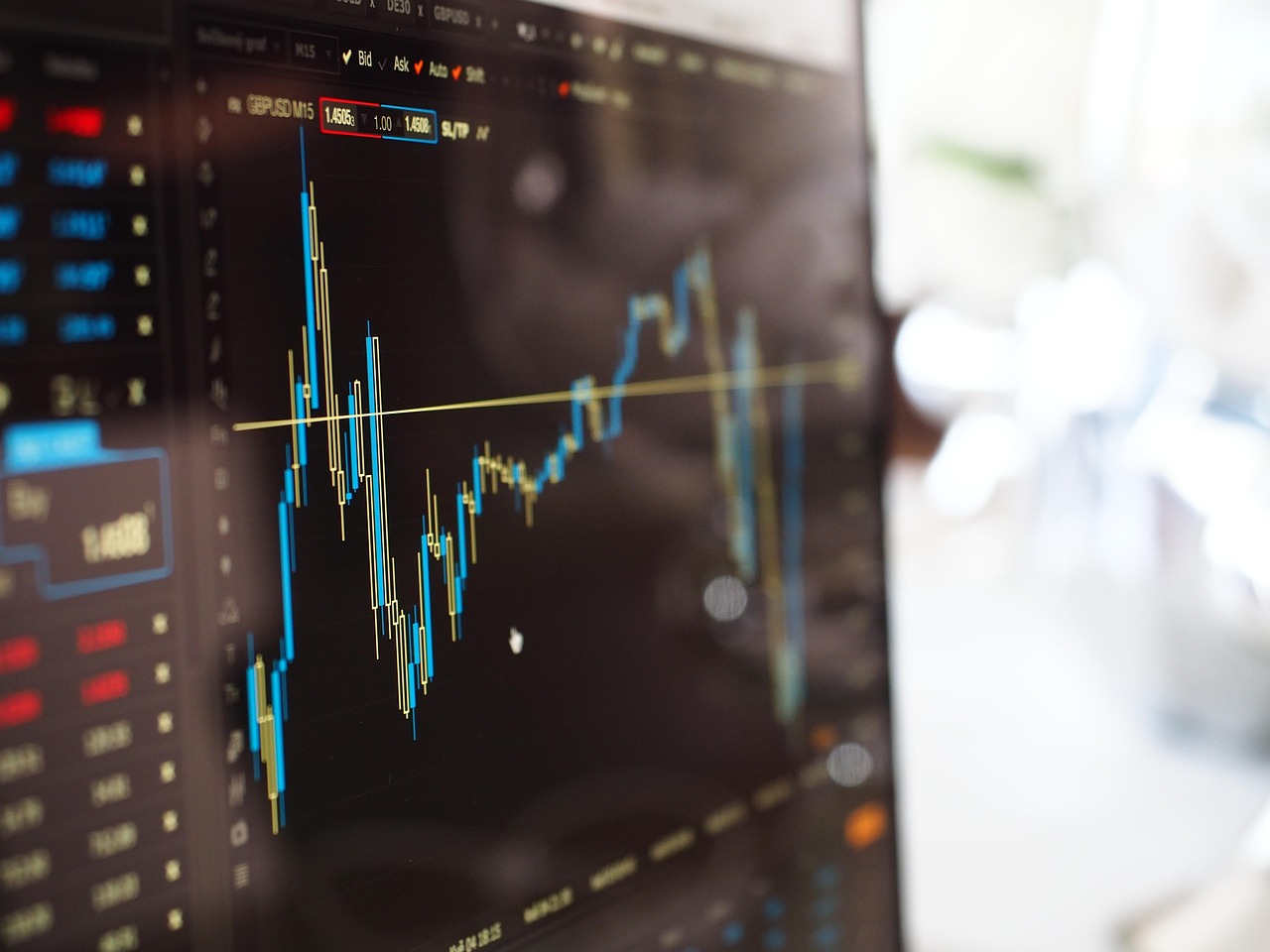
India’s stock markets will break from the Diwali holiday routine on Sunday, Nov. 8, 2026, for Muhurat trading—a special, shortened session that is part religious ritual, part market tradition and, this year, part rally watch. The BSE and NSE will keep normal trading closed for the festival, but the exchanges will open a ceremonial window that lets investors place token trades at an auspicious moment. Bloomberg Markets describes the practice as a tradition that has survived the shift from handwritten ledgers and bustling trading floors to smartphones and algorithms.
The session is called Muhurat, a word used for an auspicious time in Hindu astrology. For generations, Indian brokerages have decorated offices, performed Lakshmi puja and opened their order books for a brief evening window on Diwali. The trades are often small and symbolic: a first purchase for the new year, a gesture of good fortune, a way to keep the market’s rituals alive even as the underlying technology has changed. But the session is also a real market event, with prices, volumes and sentiment that can spill into the following week.
From puja to price action
Bloomberg’s explainer frames the day through culture and continuity. India’s stock markets will open for a special shortened session on Sunday as the country celebrates Diwali, its biggest festival, keeping alive a tradition that has survived the shift from handwritten ledgers and bustling trading floors to smartphones and algorithms. That historical lens matters: Muhurat trading predates screen-based trading, algorithmic orders and dematerialized accounts. It is one of the few moments when the language of the exchange—tickers, bids, offers—meets the language of the festival—lamps, sweets, family and auspicious timing.
The stock markets will open for a special shortened session on Sunday as the country celebrates Diwali, its biggest festival, keeping alive a tradition that has survived the shift from handwritten ledgers and bustling trading floors to smartphones and algorithms.
MSN’s coverage, by contrast, treats the session as a market-news event. One headline declared an early Diwali for the Sensex and Nifty as the stock market skyrocketed on a Reliance Jio IPO and IT shares. Another MSN piece asked why the Muhurat session matters to investors, while a third focused on the Diwali holiday calendar and timings for BSE and NSE. Together, the three MSN angles show how the same ceremonial session can be read three ways: as a cultural institution, as a sentiment signal and as a practical scheduling item for investors.
A rally narrative meets a thin market
The most immediate question for traders is whether the Muhurat session will extend the bullish mood described in MSN’s headline. The source material links the surge to a Reliance Jio IPO and a jump in IT shares, though it does not provide deal terms, valuation details or the size of the move. That omission is important. Muhurat sessions are typically thin, with many institutional investors absent and retail participation often limited to token trades. In thin markets, price moves can be exaggerated, and a headline-grabbing rally may say more about sentiment than about durable liquidity or broad participation.
Still, the juxtaposition is striking. A session historically associated with symbolism is being discussed through modern market catalysts—IPO supply, sector rotation and technology valuations. If the Reliance Jio IPO narrative continues to build, it could give the Muhurat session a more substantive story than the usual ritual trade. If IT shares remain firm, the session may reinforce the view that India’s equity market is entering the festival season with momentum. But investors should be careful about extrapolating one shortened session into a full-blown trend.
What investors need to know
- Special session: BSE and NSE will observe a holiday for normal trading on Diwali, with only the Muhurat window open. The exact timings are announced by the exchanges and are typically confined to a short evening period.
- Symbolic and real: Muhurat trades are often small, but they are executed on the same platforms and at the same prices as any other trade. Liquidity may be lower than on a regular day.
- Headline risk: MSN’s early-Diwali framing tied the rally to a Reliance Jio IPO and IT shares. Investors should treat headline-driven moves in a shortened session with caution until fuller details are available.
- Sentiment gauge: Market participants watch Muhurat trading for cues about retail confidence, sector preference and the mood going into the new financial period.
- Holiday planning: Because the regular market is closed, investors should check exchange notices for the Muhurat window and for any settlement or operational changes.
Why the session still matters
The Muhurat session matters because it is neither a normal trading day nor a purely ceremonial non-event. It is a bridge between the two. For traditional investors, it preserves the idea that wealth creation begins with an auspicious step. For modern traders, it offers a live, if abbreviated, test of market appetite. For the exchanges, it is a branding moment that connects India’s financial markets to the country’s largest festival.
That dual identity explains why the story can be told in such different registers. Bloomberg emphasizes continuity and cultural endurance. MSN emphasizes the rally, the IPO catalyst and the practical question of when BSE and NSE will be closed. The synthesis is a market that is modern in its plumbing but traditional in its calendar—a place where algorithms and aarti lamps can coexist, at least for one shortened Sunday session.
As Diwali 2026 approaches, the Muhurat trading window will be watched less for volume than for signal. If the Sensex and Nifty hold their gains, the session will be remembered as an early festival gift for bulls. If the rally fades, it will reinforce the old caution: in a thin market, ritual and noise can look very much alike.