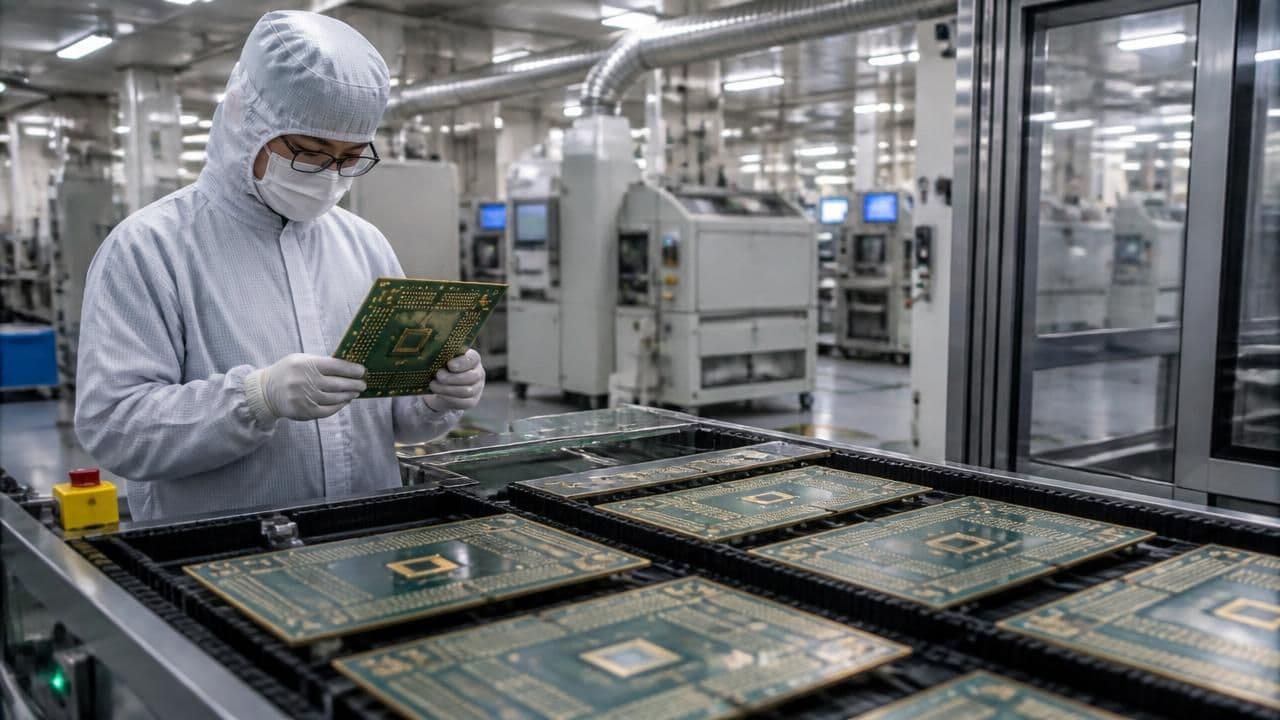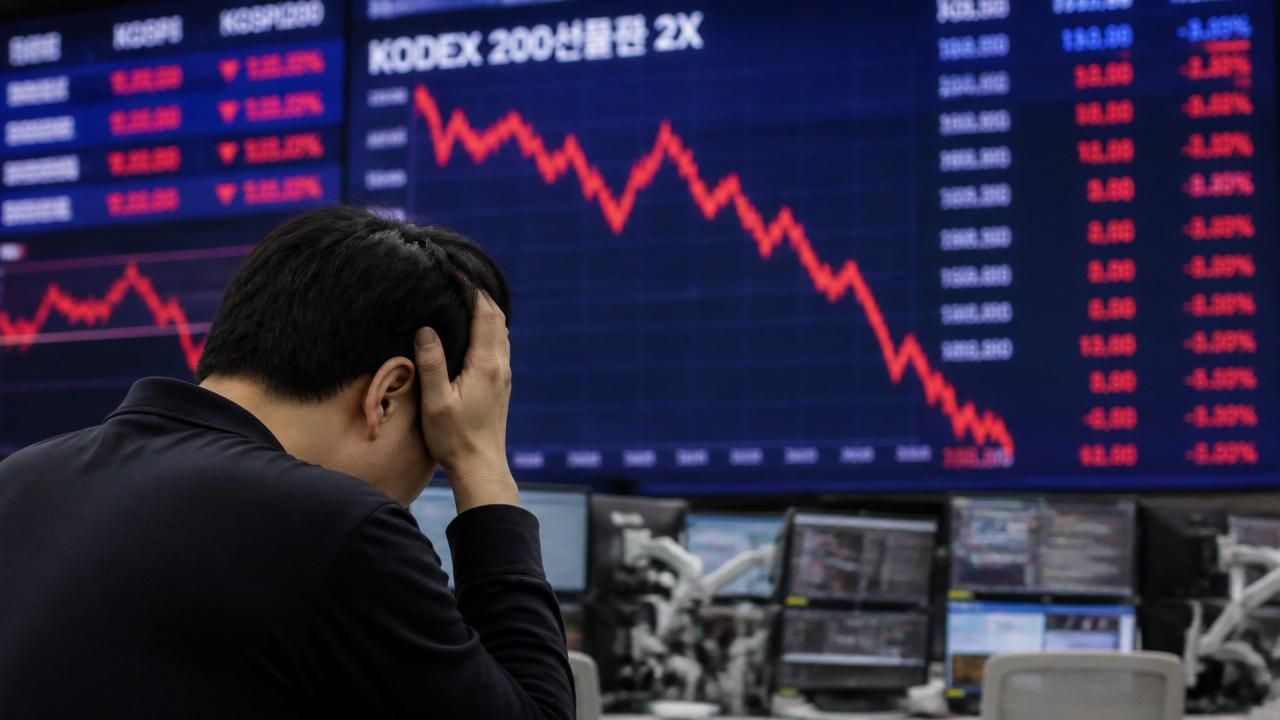
South Korea's retail investors, who have piled into leveraged exchange-traded funds (ETFs) betting on the country's dominant semiconductor sector, are nursing heavy losses as the largest such product tumbles 45% from its peak. The meltdown has triggered a rare mea culpa from the market watchdog and drawn sharp criticism from lawmakers, who accuse brokerages of reaping windfalls while ordinary investors bear the brunt.
What Happened?
The most prominent casualty is the 'KODEX 200 Futures Leveraged 2x ETF,' which tracks the KOSPI 200 index with double leverage. According to Bloomberg, it has fallen roughly 45% from its high, eroding billions in retail wealth. The rout accelerated as global chip stocks sold off amid concerns over a cyclical downturn in memory chips and trade tensions. Data from Bloomberg suggests that leveraged Korea ETFs sold an estimated $6 billion of shares during the rout, exacerbating the downward spiral.
Regulatory and Political Backlash
South Korea's Financial Supervisory Service (FSS) issued an unusual apology, acknowledging that it had failed to adequately warn investors about the risks of leveraged products. The MSN report described it as a 'rare mea culpa.' Lawmakers have joined the fray, demanding structural fixes. According to KED Global, the regulator blasted brokerages for marketing these ETFs aggressively while collecting hefty fees, calling the situation 'unacceptable.'
'The damage to retail investors is severe, and the regulator must take responsibility for not curbing these dangerous products earlier,' said a lawmaker quoted in local media.
How Did We Get Here?
The boom in leveraged ETFs is part of a broader frenzy around AI and semiconductors. South Korea's government has bet big on chips, pledging $590 billion in a national strategy to build the world's largest semiconductor cluster. The MSN report notes that this has fueled euphoria, with investors piling into leveraged ETFs to amplify returns. However, memory chip cycles are notoriously volatile. 'Semiconductor ETFs have burned believers before,' the report warns, referencing past boom-bust cycles in DRAM and NAND flash markets.
Globally, leveraged ETF assets have doubled in two months as investors pressed AI bets, according to a CNBC report (though access was denied, the headline indicates the trend). Morningstar also flagged concerns that these products could make stock markets more volatile, as forced selling amplifies downturns.
The Human Toll
South Korean retail investors are among the most active in the world in using leveraged ETFs. Many are individual traders who borrow heavily to chase double or triple returns. The 45% crash in the largest product means that for every $100 invested at the peak, only $55 remains. Given that many used leverage themselves, losses are magnified. The AOL headline captures the sentiment: 'Yesterday's Tech Rout Shows How Leveraged ETFs Can Destroy Wealth.'
Brokerages Under Fire
While investors bleed, brokerages have reportedly reaped windfalls from trading commissions and management fees. The KED Global report explicitly states that 'brokerages reap windfalls' as they encouraged retail clients to trade these products. The Financial Supervisory Service is now investigating marketing practices and considering imposing stricter suitability rules.
Global Context
The South Korean episode is part of a global pattern. In the US, leveraged and inverse ETFs have grown to over $100 billion in assets, and regulators have repeatedly warned about their risks. The Bank for International Settlements has noted that these products can amplify market dislocations. The current rout in Korea may serve as a cautionary tale for other markets where retail investors are piling into leveraged AI and chip bets.
What's Next?
The FSS is expected to announce new measures, possibly including higher margin requirements, mandatory risk warnings, or limits on leverage ratios. Lawmakers are pushing for legislation to cap the size of leveraged ETFs relative to the underlying market. Meanwhile, the KOSPI remains volatile, and the semiconductor sector faces headwinds from a potential global slowdown. For retail investors who bought at the top, the road to recovery may be long.
As one analyst put it: 'Leveraged ETFs are not buy-and-hold investments. They are trading tools for sophisticated investors. The current pain is a harsh lesson for those who treated them as long-term holdings.'