Apple’s 2026 iPad mini arrives at a crossroads for the small tablet. For years, the mini has been the iPad for people who prize portability above all else—a comfortable, pocketable-ish slate for reading, streaming, and gaming—but its small display and comparatively modest processing power kept it from feeling like a true premium device. The 2026 model changes that calculus. Reviewers across Ars Technica, The Verge, Wired, MacStories, MacRumors, and MSN agree that this is the most capable mini yet, thanks to an 8.5-inch OLED display, a current-generation chip, improved speakers, and battery life that at least one test suggests beats Apple’s own estimates. The catch is familiar: at a price just $50 below the larger, more powerful 11-inch iPad Air, the mini still has to justify why anyone should choose less screen and less headroom for nearly the same money.
A small tablet with a big upgrade
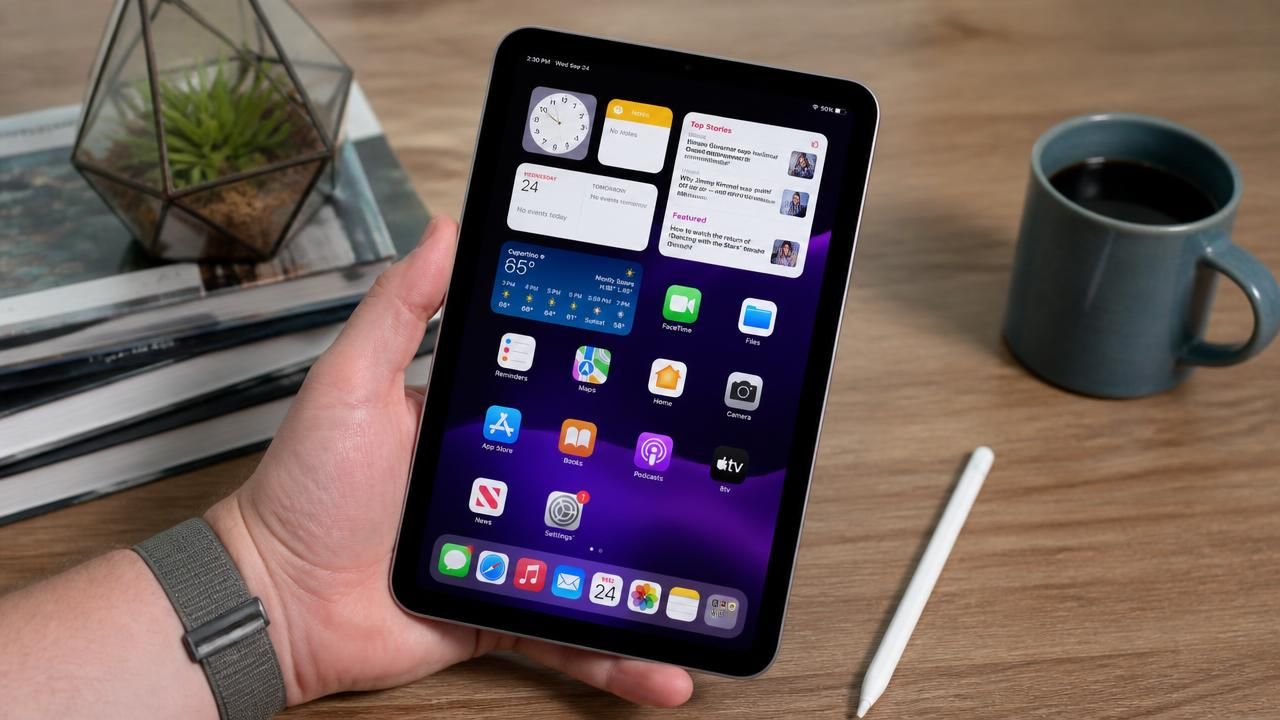
The headline change is the display. Apple has moved the mini from an 8.3-inch IPS panel to an 8.5-inch OLED, a shift that Geeky Gadgets framed as the OLED iPad mini finally happening. In practice, reviewers say the new screen gives the mini the contrast, color, and premium feel expected from a modern Apple tablet. Ars Technica called the 2026 model “more competitive than ever,” noting the current chip, better speakers, and OLED display that can hold its own against other premium tablets. Its conclusion was blunt but admiring: “There isn’t much more you can ask of an iPad this small.”
That matters because the mini’s old limitations were as much about perception as performance. A small screen can be ideal for reading or handheld gaming, but it can also feel cramped for productivity. A top-tier chip and OLED display narrow the gap between the mini and Apple’s larger tablets, even if the laws of physics still make the mini a companion device for many workflows rather than a full laptop replacement.
Battery life and the fine print
One of the more intriguing review claims came from MacRumors, which reported that the iPad mini 8 review battery life is “way better than Apple says.” That is unusual. Apple tends to publish conservative battery estimates, so independent tests beating them is not shocking, but a significant gap would strengthen the mini’s case as a travel and media device. For buyers, the practical takeaway is that the 2026 mini appears to be an all-day tablet for typical mixed use, though heavy gaming, video editing, or sustained brightness will still drain any small chassis faster than a larger iPad.
The price is the plot twist
Almost every review returns to the same tension. The Verge summarized it in its headline: the 2026 iPad Mini is a “terrific tiny tablet—for a big price.” MSN’s reviews called it a “pricey delight” and asked whether the “tiniest iPad is mightier than ever,” while Wired framed its review around a sharper question: “A Dream Device, but Who Is It For?” MacStories took a more enthusiastic line, describing the mini as “pushing the boundaries” of Apple’s smallest iPad.
The source of that anxiety is Apple’s own lineup. The 11-inch iPad Air is only $50 more than the mini, and it offers a larger screen and more powerful hardware. For students, artists, or anyone who wants one tablet for both entertainment and work, the Air is the safer default. The mini, by contrast, is a deliberate compromise: you give up screen real estate and some productivity comfort in exchange for a device that disappears into a bag and feels natural in one hand.
“There isn’t much more you can ask of an iPad this small.” — Ars Technica
Who should buy it?
The mini’s audience is narrower but passionate. It is best suited to frequent travelers, commuters, readers, handheld gamers, and people who already own a laptop or desktop and want a secondary screen that is easy to carry. MSN’s review even asked whether the tiny tablet makes the iPhone duo hard to justify—a sign of how much capability Apple has packed into a device that overlaps with large phones and small laptops. The answer depends on whether you need iPadOS apps and a larger canvas than a phone, but not the bulk of a full-size tablet.
- Buy the iPad mini if portability is the top priority and you want a premium OLED screen for media, reading, notes, and light productivity.
- Consider the iPad Air if you need more screen space, more performance headroom, or a better value for work and school.
- Wait for a discount if you like the mini’s formula but cannot stomach paying nearly iPad Air money for a smaller device.
The bottom line
The 2026 iPad mini is the best version of Apple’s smallest tablet yet. The OLED display, current chip, improved speakers, and strong battery life answer most of the complaints that kept the mini niche. But the price keeps it niche, too. Reviewers are not saying the mini is bad; they are saying it is a luxury of smallness. For the right buyer, that is a dream device. For everyone else, the iPad Air remains the more rational choice.