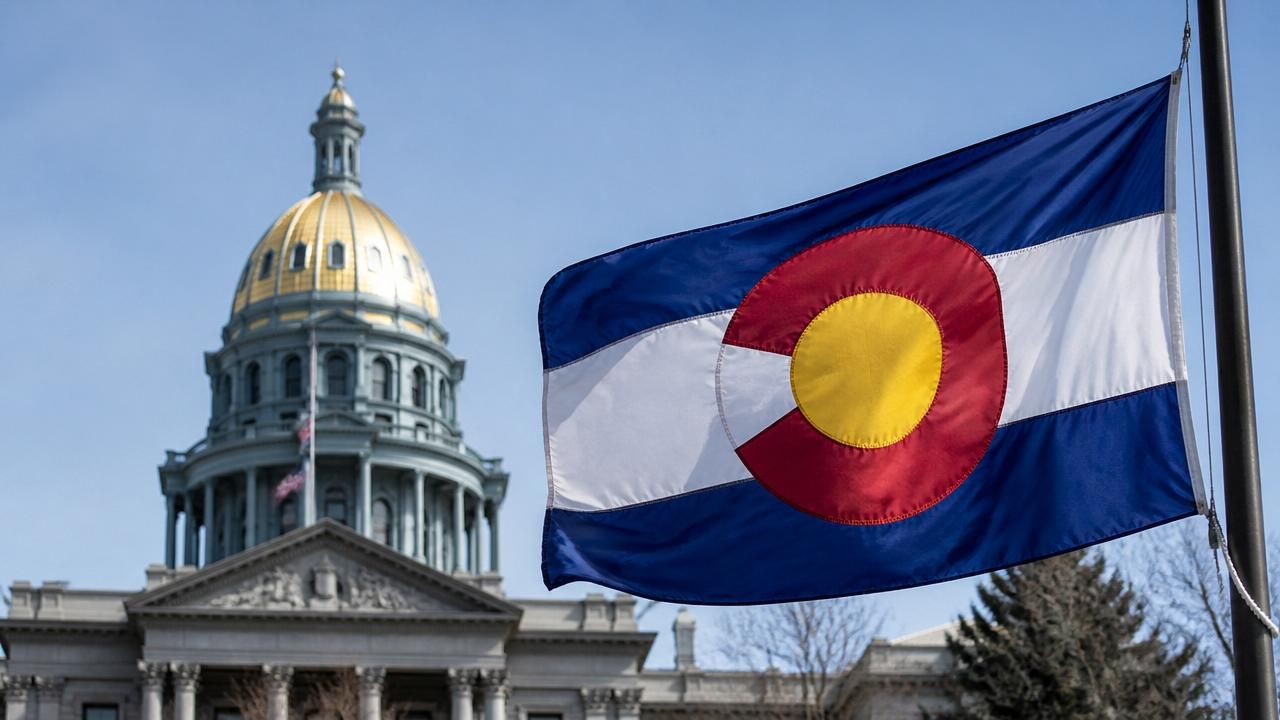
Colorado voters will head to the polls in November to decide on Initiative 177, a proposed constitutional amendment that would enshrine a “right to natural gas” for cooking and heating in homes and businesses. The measure, drafted by the conservative nonprofit Advance Colorado and submitted with enough signatures on June 25, has ignited a battle over local control, energy policy, and the state’s ambitious climate targets.
The Measure and Its Backers
Initiative 177 is strikingly brief—just 60 words—but its implications are vast. It would amend the Colorado Constitution to guarantee the right of residents and businesses to purchase and sell natural gas for household and commercial use. According to Ars Technica, the measure could force communities that have enacted bans on natural gas appliances in new construction to reverse course. Advance Colorado, the group behind the initiative, argues that the amendment protects consumer choice and prevents government overreach. “This is about keeping energy affordable and reliable for Coloradans,” a spokesperson said.
Climate Concerns and Legal Uncertainty
Opponents warn that the measure would severely hamper Colorado’s ability to meet its climate goals, which include a 50% reduction in greenhouse gas emissions by 2030 and 100% clean electricity by 2040. Inside Climate News notes that many environmental groups and state lawmakers view the amendment as a direct threat to these targets. The broad language makes it difficult to predict how state agencies would implement it, creating legal uncertainty. “This amendment would lock in fossil fuel dependency for decades,” said a representative from a local environmental coalition. “It undermines local communities that are trying to transition to clean energy.”
Legislative Pushback
In response, Colorado lawmakers are scrambling to counter the measure. According to Colorado Politics, legislators are considering “guardrails” that would clarify the amendment’s scope or limit its impact on existing climate policies. Some have proposed competing ballot measures or legal challenges. The state’s Democratic leadership, including Governor Jared Polis, has voiced opposition, though Polis has not taken a formal stance. “We need to ensure that Coloradans have choices, but not at the expense of our environment and public health,” a state senator told CPR News.
Broader Energy Context
The natural gas debate is unfolding against a backdrop of broader energy tensions in Colorado. Colorado Newsline reports that the state is also grappling with proposals for new natural gas electricity generation, even as it phases out coal. Meanwhile, Ballotpedia notes that Initiative 177 is one of several energy-related measures on the ballot, including a proposal to divert state funds to road repair. The Public Utilities Commission is under scrutiny for its role in energy decisions, with some residents complaining of high bills after regulators moved away from natural gas, as highlighted by Colorado Politics.
Local and National Implications
The measure has drawn national attention as a test case for the “right to natural gas” movement, which has emerged in several states. City Journal frames it as a states’ rights issue, while Inside Climate News warns of the precedent it could set for other fossil fuel protections. Local communities like Erie are already facing tough questions about mineral rights and energy development, as reported by YellowScene. The Colorado Supreme Court is also weighing related cases on mineral ownership and corporate liability, adding to the legal complexity.
What’s at Stake
If passed, Initiative 177 would be one of the most consequential energy ballot measures in years. Supporters say it protects consumer freedom and energy affordability. Opponents argue it would derail climate action and lock in pollution. With both sides claiming victory in early skirmishes, the battle is set to intensify as November approaches. Voters will ultimately decide whether Colorado’s constitution guarantees a right to natural gas—and what that means for the state’s future.