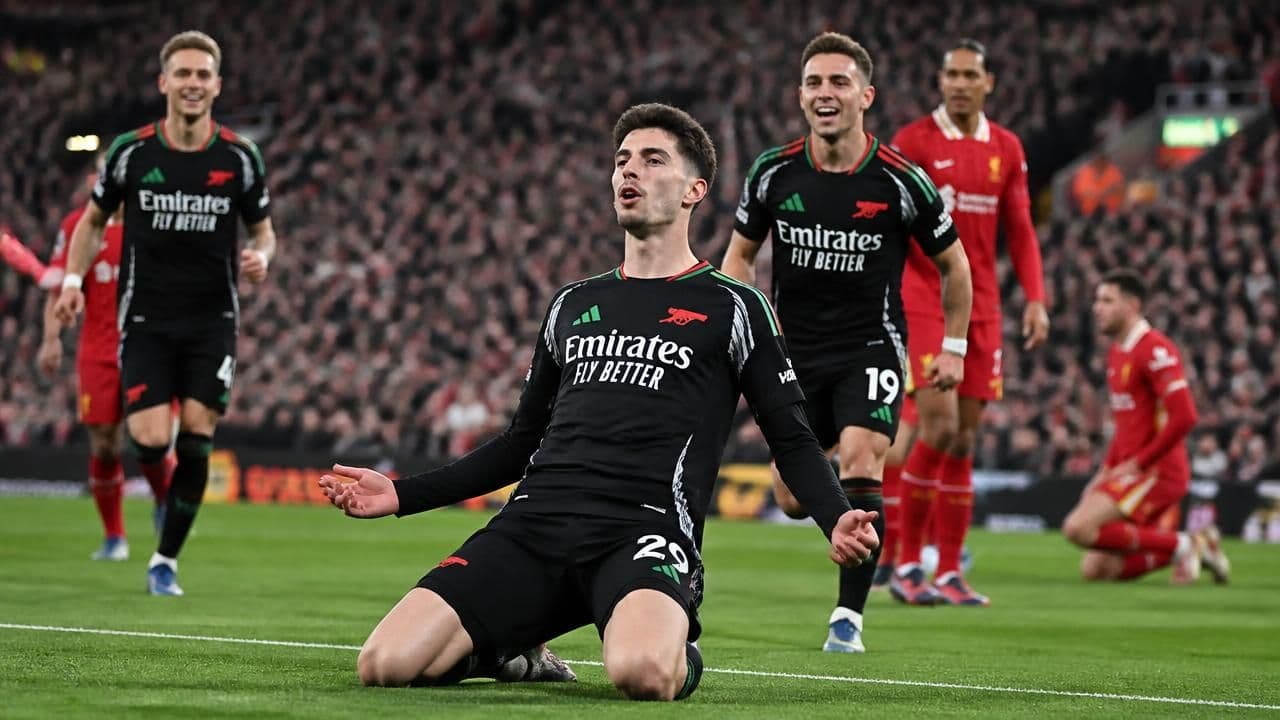
Arsenal’s victory at Anfield in the Premier League was meant to be a statement performance — a rare triumph at one of English football’s most intimidating venues, powered by Kai Havertz and a cluster of strong individual displays. Instead, the result has been shadowed by a penalty decision that has united pundits, a former Premier League referee and at least one manager in criticism of VAR.
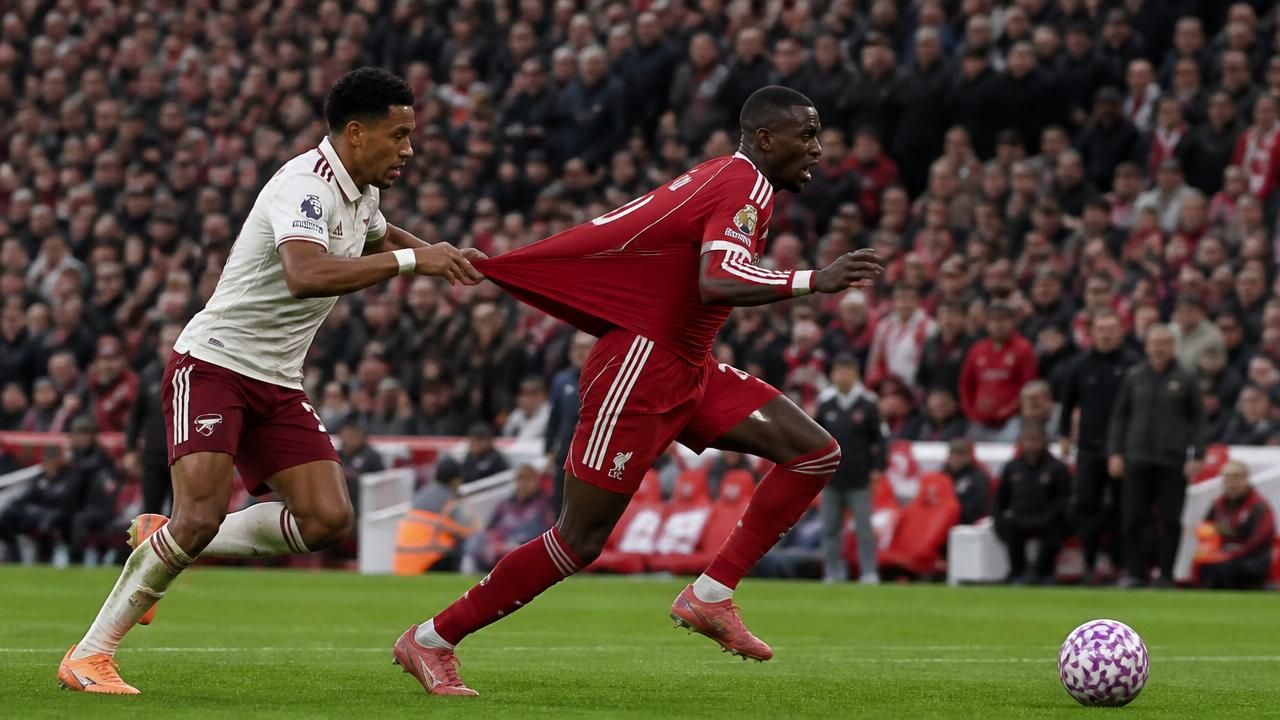
The central incident was simple enough: Liverpool appealed for a penalty when Arsenal defender Jurrien Timber pulled Alexander Isak’s shirt. The on-field officials did not award a spot-kick, and VAR did not intervene. BBC Sport’s Kelly Cates, Danny Murphy and Micah Richards discussed the flashpoint on air, asking whether Arsenal had been “lucky” not to concede a penalty and whether Liverpool could legitimately feel hard done by. Their debate reflected the broader frustration: the offence looked obvious to many viewers, yet the video review system chose not to overturn the decision.
The VAR flashpoint
The Sun quoted a former Premier League referee who was blunt in his assessment. “I just don’t understand how VAR cleared that,” he said, describing the decision as a major blunder. The criticism cuts to the heart of VAR’s stated threshold: interventions are supposed to be reserved for clear and obvious errors, not subjective re-refereeing. But shirt-pulling in the penalty area is one of the most inconsistently officiated acts in the modern game. Defenders are sometimes penalised for far less; on other occasions, similar holds are waved away. That inconsistency is precisely what fuels the sense of injustice at Anfield.
“I just don’t understand how VAR cleared that,” the former Premier League referee said, according to The Sun, describing the decision as a major blunder.
For Liverpool, the no-call was compounded by the fact that the incident was not a marginal collision but an apparent pull on a player’s shirt. For Arsenal, the relief was palpable: the decision allowed them to protect a lead and secure a rare win at Anfield. The BBC’s pundits stopped short of a unanimous verdict, but their discussion captured the split that has followed the match: was Arsenal lucky, or was the contact simply not enough for VAR to act?
Iraola’s diving remarks
The controversy intensified after Andoni Iraola said Liverpool had been denied a “clear penalty” and that he would tell Alexander Isak to go to ground next time. “I’ll tell my players to dive in future,” Iraola said, according to reports from The New York Times and MSN. The remarks were provocative because managers usually discourage simulation, at least publicly. But Iraola’s logic was pointed: if officials will not protect players who try to stay on their feet, players will exaggerate contact. It is a familiar argument in football’s ongoing battle over honesty and gamesmanship.
“I’ll tell my players to dive in future,” Iraola said, according to reports, after Liverpool were denied what he called a “clear penalty.”
His comments also put pressure on the authorities. Encouraging players to dive would complicate refereeing further, making it harder to distinguish genuine fouls from manufactured ones. Yet Iraola’s frustration speaks to a real grievance: when a clear shirt pull is not punished, players and coaches feel the system rewards the wrong behaviour. The debate is not new, but it has been given fresh urgency by a decision at one of the Premier League’s most high-profile grounds.
Arsenal’s performance and the Anfield curse
Amid the noise, Arsenal’s actual performance risked being lost. MSN’s player ratings highlighted Kai Havertz and four 8/10s, saying they helped break the club’s Anfield curse. The ratings framed the win as a collective step forward, with Havertz among the standout performers. That perspective matters because it reminds us that Arsenal did not merely benefit from a controversial call; they produced a resilient away display that had been beyond them in previous visits to Liverpool.
Still, the ratings and the result will not silence the debate. The headline from the match is likely to remain the penalty that was not given, not the performance that secured the win. That is the nature of VAR controversies: they refract everything else through the lens of the decision.
How the story is being framed
The sources differ sharply in emphasis. BBC Sport treated the incident as a punditry debate about luck and justice, with Kelly Cates, Danny Murphy and Micah Richards weighing whether Liverpool could feel aggrieved. The New York Times and MSN led on Iraola’s explosive comments about diving and his description of a “clear penalty.” The Sun focused on the former referee’s criticism of VAR, framing the no-call as a major blunder. MSN’s player ratings, meanwhile, shifted attention to Arsenal’s performance and the significance of breaking their Anfield curse. Together, these framings show how a single decision can become a referendum on VAR, managerial ethics and the competitive balance of the title race.
Why it matters
The fallout matters beyond one result. First, it tests faith in VAR at a time when confidence in the technology is already fragile. Second, it raises uncomfortable questions about simulation: if managers begin to advise players to go down, officials will face an even harder task. Third, it has implications for the title race, with Liverpool left to wonder what might have been and Arsenal able to celebrate a significant away win.
The Premier League has spent years trying to refine VAR protocols, yet subjective decisions over shirt-pulling remain a flashpoint. The incident will add to calls for clearer guidance, greater consistency and perhaps a lower threshold for intervening on obvious holds. Whether that happens is another matter. For now, Arsenal have the result, Liverpool have the grievance, and the argument over whether Jurrien Timber should have conceded a penalty — and whether Alexander Isak should have gone to ground — is set to run.