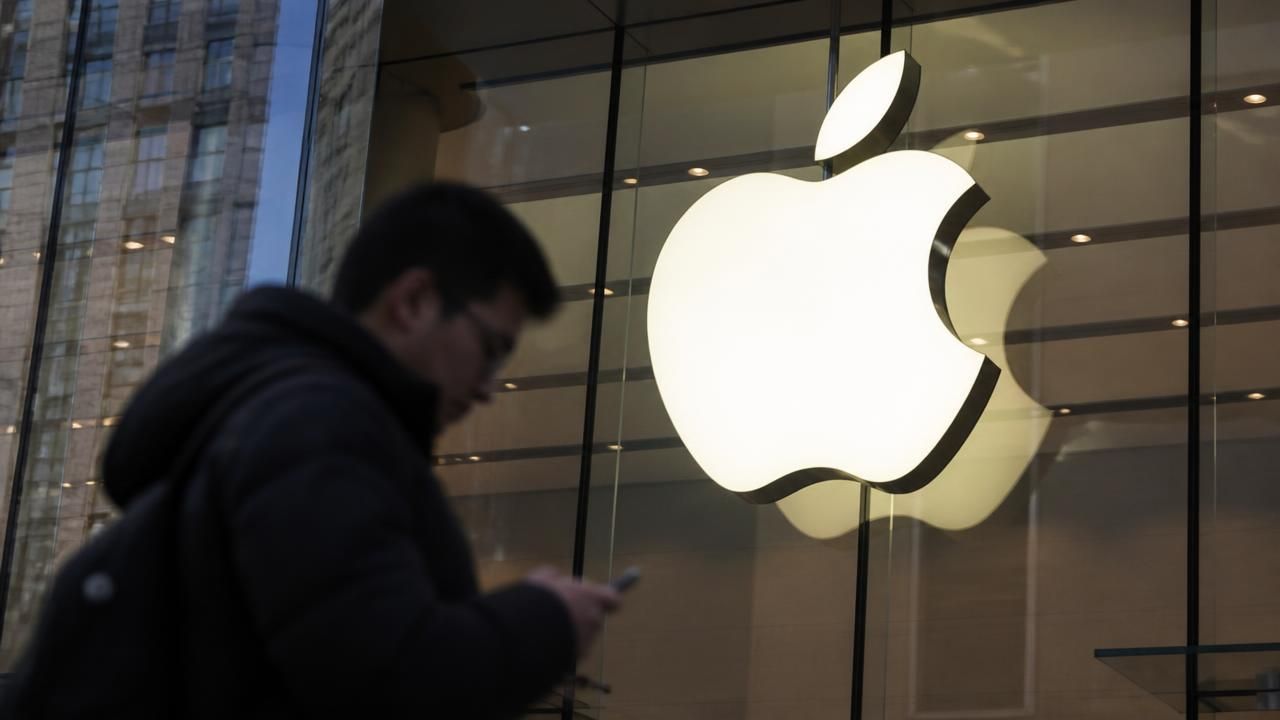
Apple Inc. reclaimed the title of the world’s most valuable company on Friday, overtaking Nvidia Corp. in a market-cap race that has become a barometer of investor appetite for artificial intelligence, consumer hardware and defensive mega-cap stocks.
Bloomberg Markets reported that Apple took the mantle from Nvidia as investors sought “the perceived safety of the iPhone maker amid concerns about artificial intelligence spending.” Fox Business characterized the shift more cautiously, saying Apple briefly overtook Nvidia amid doubts over AI investment. TipRanks and Seeking Alpha also reported that Apple surpassed Nvidia as the world’s most valuable public company. The differing headlines—reclaim, briefly overtake, race on—underscore how quickly the crown can change hands and how sensitive both stocks are to shifting narratives.
A Rotation Toward Safety
The immediate trigger was not a single product announcement but a change in investor mood. Nvidia has spent much of the past two years as the defining stock of the AI boom, with demand for its chips driving its valuation into the stratosphere. That run has made the company a magnet for both enthusiasm and skepticism. When questions arise about whether the enormous sums being spent on AI infrastructure will translate into durable profits, investors often rotate toward companies with steadier cash flows and less direct exposure to AI capital spending.
Apple fits that role. Its iPhone franchise, services business and massive balance sheet have long made it a port in storms. Bloomberg’s framing emphasized that safe-haven quality: the move was less a verdict on Apple’s AI prowess than a sign that investors wanted the perceived safety of the iPhone maker while they reassessed AI spending.
“Investors are seeking the perceived safety of the iPhone maker amid concerns about artificial intelligence spending,” Bloomberg reported, capturing the defensive rotation behind Apple’s move.
Fox Business’s “briefly overtook” language adds an important caveat. Market-cap rankings can flip during a trading session as share prices fluctuate, and the lead may not have been durable at the close. The episode is best read as a snapshot of a tight race rather than a permanent verdict.
Product Cycle Meets AI Narrative
Apple’s challenge to Nvidia is also being fueled by its own product cycle. MSN reported that the iPhone duo hit stores amid strong demand and that preorders were in focus. A healthy launch matters because the iPhone remains Apple’s largest revenue driver and a key signal for the broader consumer technology market. Strong demand can support earnings expectations and reassure investors that Apple’s upgrade cycle remains intact even as smartphone markets mature.
The other variable is China. MSN noted that Apple’s AI rollout in China was in focus alongside iPhone preorders. China is both a critical market and a complex regulatory environment for Apple. The company has been rolling out Apple Intelligence features in phases, and progress in China could influence how investors judge Apple’s ability to compete with local smartphone makers and integrate AI into its ecosystem. Apple’s AI strategy has generally been viewed as more incremental than Nvidia’s—focused on everyday features across devices rather than selling the raw compute power behind generative AI.
Why the Crown Matters
The title of world’s most valuable company is partly symbolic, but it carries real weight. It shapes index flows, media coverage, executive credibility and investor sentiment. For Nvidia, losing the top spot—even briefly—can reinforce concerns that the AI trade has become crowded. For Apple, retaking it can bolster the case that the company’s scale, brand and cash generation remain unrivaled, even when it is not first to market with a revolutionary AI product.
The race also reflects a broader market debate. Nvidia represents the infrastructure layer of the AI boom: chips, data centers and the companies building them. Apple represents the consumer layer: devices, services and an installed base of more than a billion users. When investors favor infrastructure, Nvidia leads. When they rotate toward safety, cash flow and consumer demand, Apple can pull ahead. The two companies are not direct competitors in the usual sense, but they compete for the same scarce resource: investor capital and narrative dominance.
What to Watch Next
- iPhone demand signals: Launch-weekend sales, delivery times and carrier promotions will show whether strong preorder interest converts into revenue.
- China AI rollout: Regulatory approvals and feature availability could affect Apple’s competitive position in its most important overseas market.
- AI capital spending: Earnings commentary from hyperscalers and chip buyers will shape whether Nvidia’s AI premium expands or contracts.
- Market-cap volatility: With the two companies close in valuation, daily stock swings can produce repeated lead changes.
For now, Apple has the crown, but the margin is thin and the narrative is fluid. The company’s ability to hold it will depend less on Friday’s headline than on whether strong iPhone demand and a credible AI rollout can sustain earnings momentum—and whether investors’ doubts about AI spending prove temporary or mark a deeper rotation.