The fight over how — and where — college students vote has moved from campus quads to the nation's highest court, with a patchwork of state rules, lawsuits and last-minute legal rulings forcing students to navigate an unusually complicated path to the ballot box in the run-up to the Nov. 3 midterms.
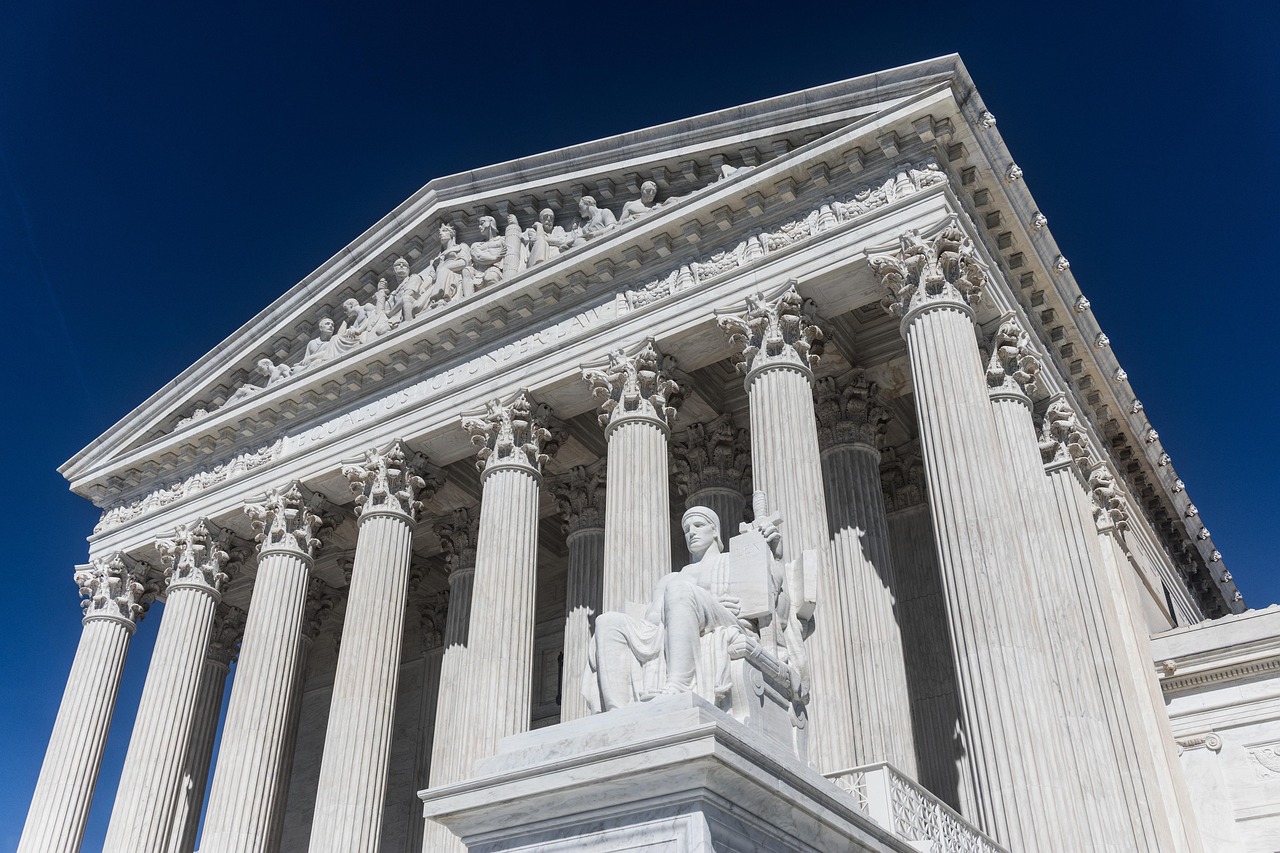
At the center of the national conversation is New Hampshire, where the U.S. Supreme Court sided with Republicans and allowed the state to limit the use of student identification cards at polling places. The decision, reported by NHPR and carried widely by MSN, reverses what had been a lower-court pause on the state's voter ID restrictions and hands a victory to GOP officials who argued the rules are a safeguard against fraud.
Two states, two flashpoints
The New Hampshire ruling is only half of the story. In Montana, a separate legal fight has become a case study in what voting-rights advocates say is a persistent misunderstanding of student rights — namely, that students who study far from their hometowns may choose whether to register where they attend school or where they grew up.
NPR and WUFT both reported on the Montana dispute, noting that advocates view the litigation as a reminder that residency rules are frequently misapplied to young voters. The core legal principle is straightforward: attending college in a community generally establishes residency there for voting purposes, and students are not required to vote absentee in their parents' home districts.
"Students have a right to choose where they register to vote — the question is whether election officials and campuses make that choice clear before deadlines pass."
The practical stakes are considerable. Campus voting guides published by outlets including Spotlight PA, the Daily Collegian and Her Campus this cycle emphasize registration deadlines, residency documentation and the distinctions between in-person, early and mail voting — details that vary sharply state to state and can trip up first-time voters.
Turnout rising, but unevenly
Interest among student voters appears to be climbing. The Lantern reported that college students are more likely to vote this election, with Ohio State political leaders and experts pointing to heightened civic engagement and mobilization efforts on campus. The Massachusetts Daily Collegian published a survey of UMass student voter turnout, while the Suffolk Journal gathered student reactions to the Massachusetts midterms and the Daily Gamecock reported on University of South Carolina students casting ballots across the country.
Penn State's WPSU highlighted a dedicated campus resource offering guidance, reflecting a broader institutional push to reduce confusion. At the University of Florida, WLRN profiled a first-time voter who said a political advertisement pushed her to the polls — an anecdote that underscores how much of the current turnout surge is driven by campaign messaging rather than institutional outreach.
- Registration: Students may generally register at their campus address or their family home, but not both.
- Identification: Rules vary widely; New Hampshire's limits on student IDs now stand after the Supreme Court's action.
- Timing: Early voting windows are closing — North Carolina's ended Oct. 31, while Tarrant County, Texas, reported waits of up to two hours.
- Local races: Down-ballot contests, from school board runoffs in Orange County, Florida, to congressional special elections, are drawing fresh attention.
The data fight behind the ballot fight
Beneath the state-by-state skirmishing runs a quieter, more sweeping conflict: the Trump administration has filed 31 lawsuits seeking states' voter data, according to CBS News. The litigation represents an extraordinary federal effort to pry loose voter rolls from state election officials, many of whom have resisted on privacy and states'-rights grounds.
The suits add a layer of uncertainty for election administrators already bracing for heavy turnout and legal challenges. Civil-liberties groups have warned that centralized voter data raises privacy risks, while administration officials have framed the requests as necessary for maintaining accurate rolls.
Framing the story
How outlets cover the issue depends heavily on where they sit. Campus publications tend to frame it as a service-journalism problem — how do I register, where do I vote, what do I bring? National outlets frame it as a rights story, emphasizing courts and partisanship. Legal and democracy-focused organizations, such as the Israel Democracy Institute, which published a comprehensive Election Day guide for the 26th Knesset, treat it as an administrative-access question that democracies of all stripes must answer.
What unites these perspectives is a recognition that the mechanics of voting are not neutral. A student ID accepted in one state is rejected in another; a registration deadline that falls during midterms can disenfranchise thousands; a two-hour wait in Tarrant County can deter a first-time voter who has never stood in line before.
"The rules are not the same everywhere, and that is precisely why the guidance matters," one campus voting coordinator said, describing a landscape in which students must verify requirements well before Election Day.
With early voting closing in several states and legal fights still unresolved, the final week before Nov. 3 will test whether a decade of campus organizing can outpace a rapidly shifting legal landscape. For now, the message from advocates is simple: check your registration, confirm your ID, and vote where you live.