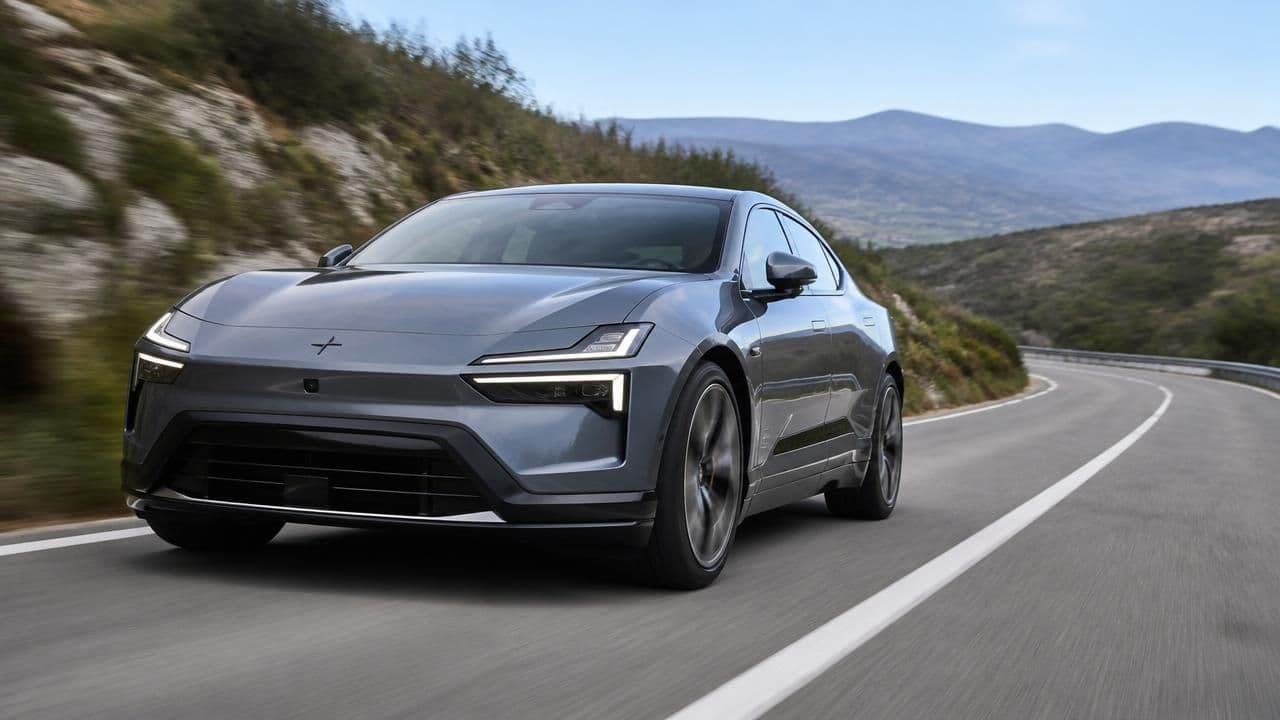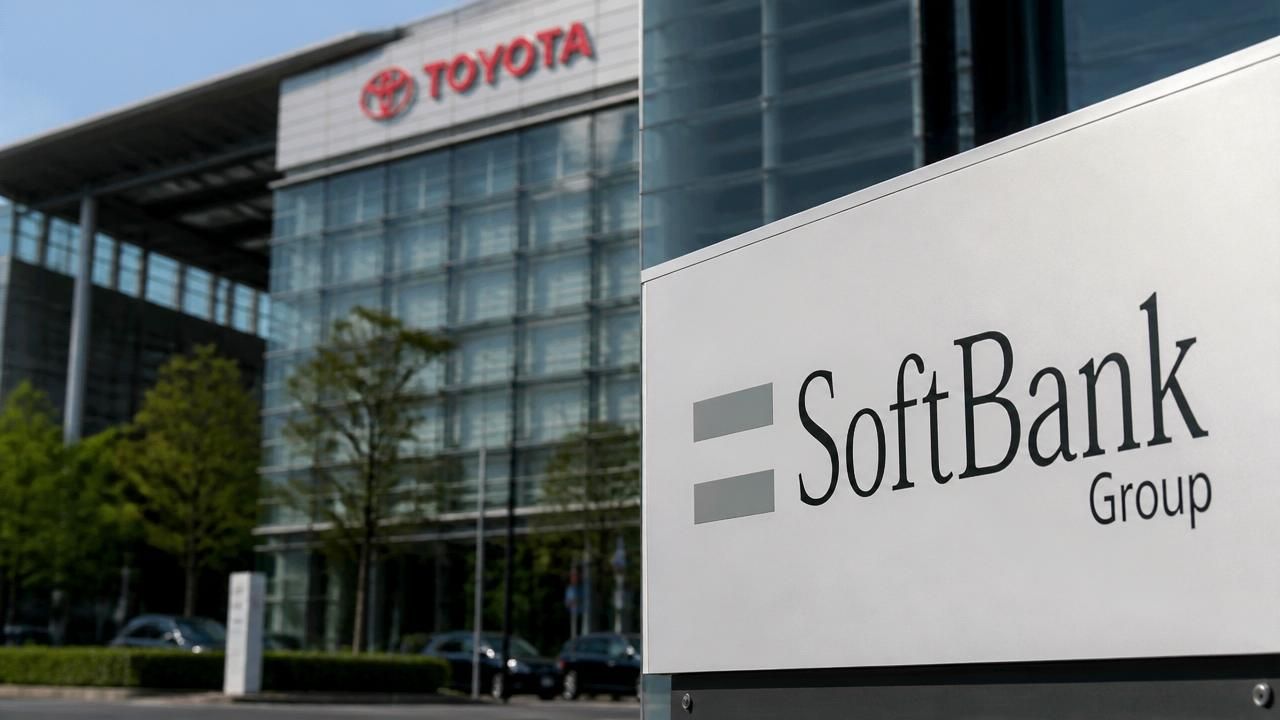
In a historic shift for Japan's corporate landscape, SoftBank Group Corp. has surged past Toyota Motor Corp. to become the country's most valuable publicly traded company, ending the automaker's two-decade dominance at the top. The milestone, driven by investor enthusiasm for artificial intelligence, marks a symbolic passing of the torch from traditional manufacturing to technology and finance.
A Tale of Two Titans
For over 20 years, Toyota stood as Japan's largest company by market capitalization, a symbol of the nation's industrial might. However, as of mid-July 2026, SoftBank's market value climbed to approximately ¥18 trillion ($120 billion), edging out Toyota's ¥17.5 trillion. The change reflects a broader global trend where tech and AI-focused firms are outpacing legacy industries.
Bloomberg Markets first reported that Mitsubishi UFJ Financial Group (MUFG) had briefly claimed the top spot, noting that it was the first time a bank had reached that position since the formation of Japan's three megabanks. However, subsequent reports from the Financial Times and other outlets clarified that SoftBank had overtaken Toyota, with MUFG also surpassing the automaker at one point but ultimately falling behind SoftBank.
SoftBank's AI-Fueled Ascent
SoftBank's rise is largely attributed to its heavy investments in AI, particularly through its Vision Fund and stakes in companies like Arm Holdings. The chip designer's strong performance and the broader AI boom have boosted SoftBank's valuation. "SoftBank's transformation from a telecom and internet investor to an AI powerhouse is paying off," noted a market analyst quoted by neofeed.com.br. "Investors are betting on AI as the next growth engine, and SoftBank is at the center of it."
The Japanese Times highlighted that MUFG also saw gains due to rising interest rates and a robust banking sector, but the bank's market cap increase was not enough to sustain the lead. SoftBank's surge, on the other hand, was more dramatic, with its stock price jumping over 30% in the past quarter.
Toyota's Decline and the Broader Context
Toyota's fall from the top spot is not due to poor performance—the automaker remains highly profitable and a global leader in hybrid vehicles. However, its growth prospects are seen as more limited compared to tech firms. The shift also reflects Japan's changing economic structure, where services and technology are becoming more dominant. "Toyota's reign was a symbol of Japan's manufacturing excellence," said an economist cited by moomoo.com. "But the market is now rewarding innovation in AI and fintech."
Market Reactions and Implications
News of the change sent ripples through Tokyo's stock exchange. SoftBank's shares rose 4% on the day of the announcement, while Toyota's shares dipped slightly. Analysts expect the gap to widen as SoftBank continues to capitalize on AI trends. "This is a watershed moment for Japanese equities," wrote a strategist in a note covered by futunn.com. "It signals that investors are willing to pay a premium for exposure to AI, even in a traditionally conservative market."
The shift also has implications for the broader Japanese economy, which has long relied on automotive and electronics giants. As SoftBank and MUFG take the lead, it may encourage more venture capital investment in tech startups and accelerate digital transformation among traditional firms.
Differing Perspectives
While most sources agree on the core facts, there are slight variations in framing. Bloomberg emphasized MUFG's achievement, while the Financial Times and neofeed.com.br focused on SoftBank's overtaking of Toyota. The discrepancy may stem from intra-day fluctuations: MUFG briefly held the top spot before SoftBank's final surge. The Japanese Times provided a balanced view, noting both events. Meanwhile, moomoo.com and futunn.com highlighted the end of Toyota's 22-year reign, underscoring the symbolic significance.
"This is a watershed moment for Japanese equities. It signals that investors are willing to pay a premium for exposure to AI, even in a traditionally conservative market."
What's Next?
Looking ahead, SoftBank's market cap could continue to grow as it expands its AI portfolio. The company is reportedly in talks to invest in additional AI startups and increase its stake in Arm. Toyota, meanwhile, is focusing on solid-state batteries and autonomous driving, but these technologies have yet to capture investor imagination as strongly as AI.
For now, Japan's corporate hierarchy has been reshuffled, with technology and finance taking the lead. Whether this trend persists will depend on how well these sectors navigate global economic headwinds and regulatory challenges.