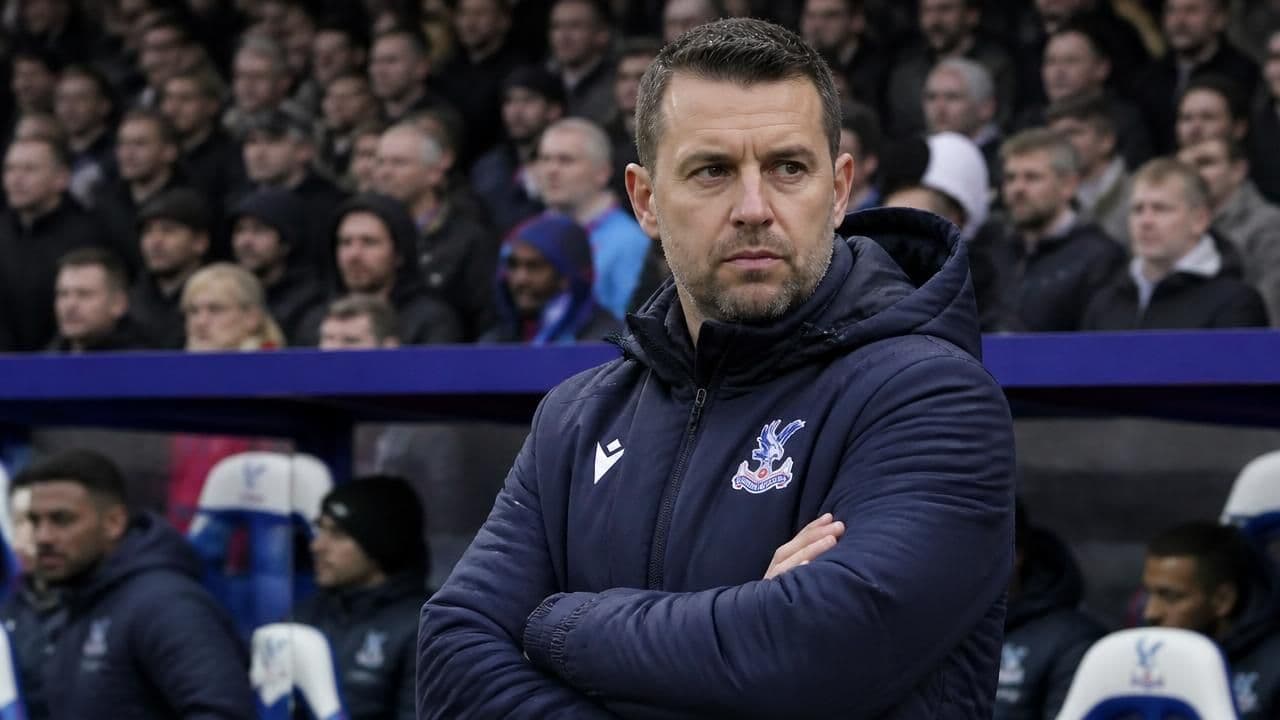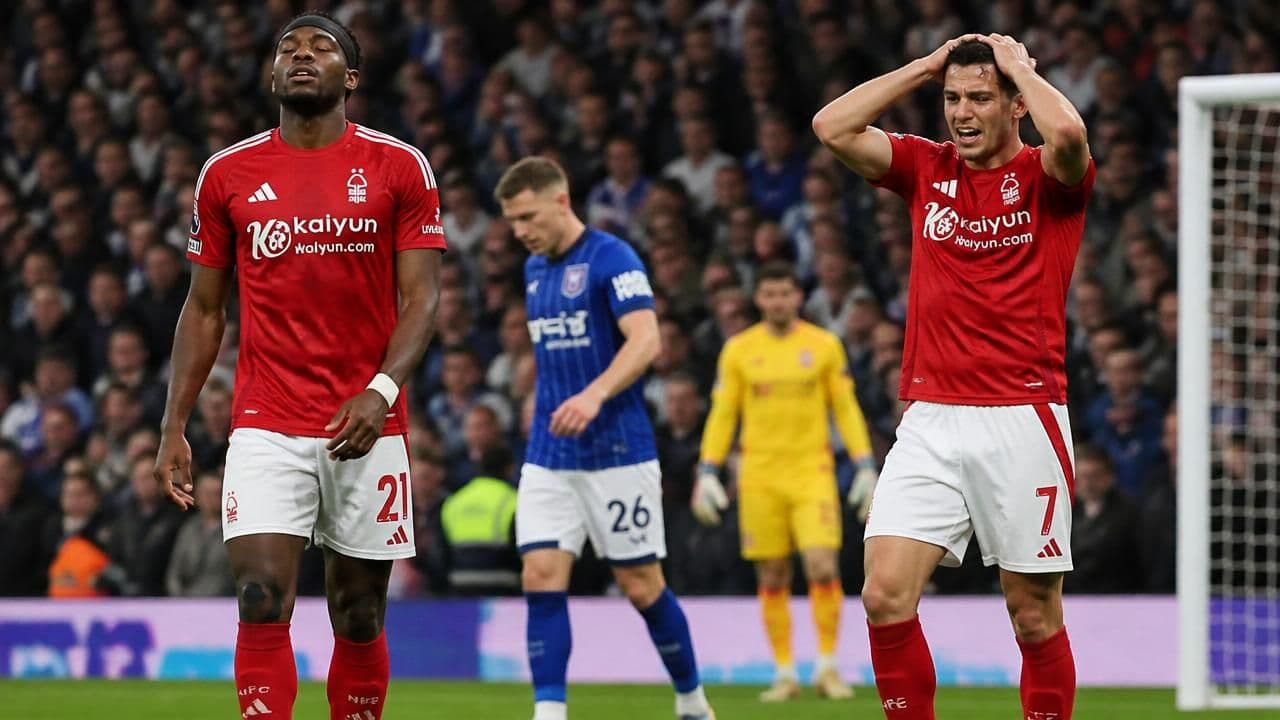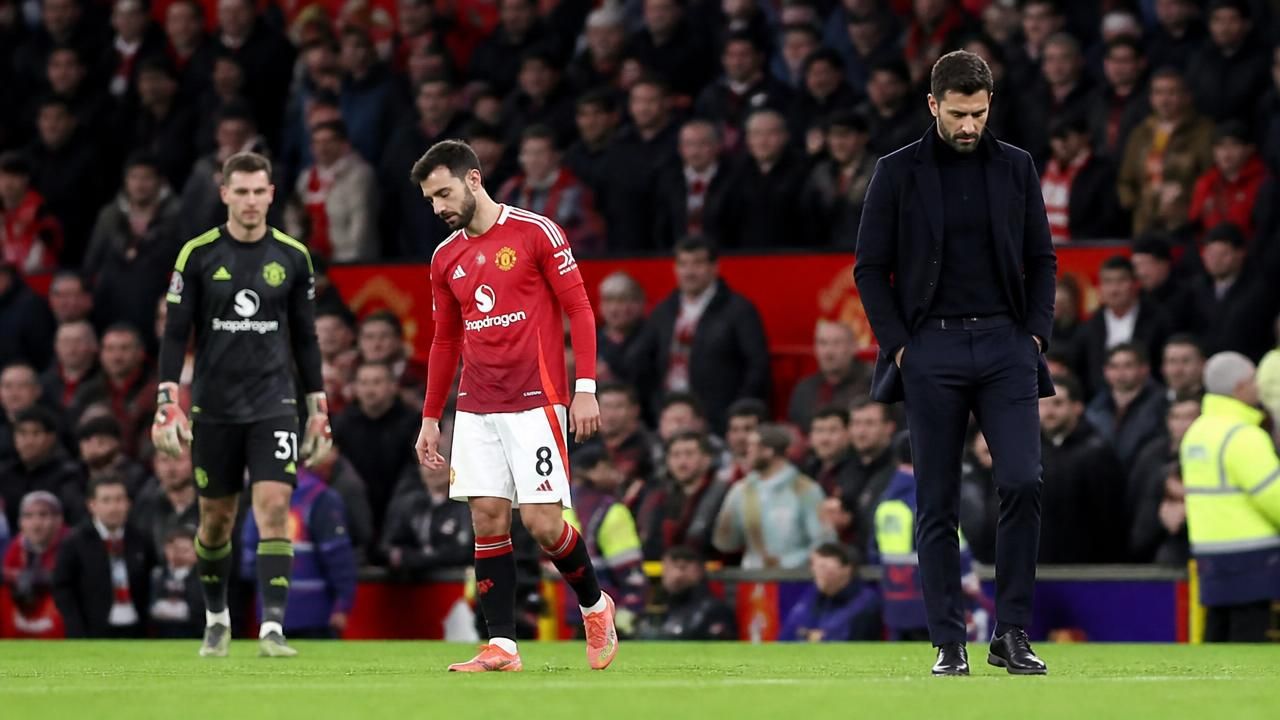
Manchester United's season lurched deeper into crisis on Saturday as Bournemouth walked away from Old Trafford with a 3-0 victory, extending United's winless run to eight matches in all competitions and leaving manager Michael Carrick fighting for his job. The scoreline was emphatic, but the reaction across the world's newsrooms was more revealing still: within hours of the final whistle, the language had shifted from pressure to probability.
BBC Sport described it bluntly as a defeat that "leaves United's manager Michael Carrick under severe pressure." Reuters went further, framing the result as one that leaves "Carrick hanging by a thread." CBS Sports called it a rout. RTÉ leaned on the obvious pun — Bournemouth "cherry-pick beleaguered Manchester United" — but the substance beneath the wordplay was the same: a home humiliation against modest opposition, in front of a crowd that has grown used to disappointment.
How it unfolded
United conceded three goals without reply at Old Trafford, a venue that was once the most forbidding in English football and is now a place where visiting sides arrive with belief. Bournemouth, a club operating on a fraction of United's resources, produced the kind of organised, fearless performance that has become a hallmark of the Premier League's well-coached mid-tier sides. United, by contrast, offered little in the way of structure or resistance as the game slipped away.
The defeat means Carrick has now overseen eight consecutive matches without a win across all competitions — a sequence that, for a club of United's stature and wage bill, is close to existential for a manager. The Athletic's coverage, headlined "How Bournemouth thrashed Manchester United to leave Michael Carrick on the brink," treated the afternoon not as an upset but as a tactical unravelling, examining how the visitors exploited United's shape rather than simply riding fortune.
The Fernandes question
The New York Times' coverage also raised a second, more delicate question: "Is it over for Carrick at Man Utd after Bournemouth loss — and was Fernandes decision right?" The manager's handling of Bruno Fernandes became part of the post-match autopsy, with analysts questioning whether the captaincy and selection calls around United's most influential figure have become part of the problem rather than the solution. At a club where dressing-room politics are chronicled as closely as results, such debates carry weight beyond the tactics board.
How different outlets framed it
The divergence in framing is instructive. British outlets emphasised the immediate and personal — pressure, tenure, survival. The wire services foregrounded consequence and institutional risk.
"United leave Carrick hanging by a thread after Bournemouth loss" — Reuters
"Pressure on Michael Carrick cranks up as Bournemouth cherry-pick beleaguered Manchester United" — RTÉ
"Bournemouth routs Man United 3-0 as pressure mounts on Carrick" — CBS Sports
American coverage took a more analytical register, asking whether the Carrick era is already finished and dissecting the decisions that produced the result. The Associated Press, meanwhile, placed the match in the broader context of the Premier League weekend, pairing United's humiliation with Liverpool's victory over Brighton — a juxtaposition that underlined just how far United have drifted from the standard set by their rivals.
The succession problem
Any decision on Carrick's future would immediately run into the second question: who comes next? Reports suggest that potential candidates are already making their positions known, and not in United's favour. Antonio Conte and Fabian Hürzeler have both distanced themselves from the Manchester United job, according to reports — a striking development that speaks to the diminished pull of a role that once ranked among the most coveted in world football.
Conte, a proven title-winner with Juventus, Chelsea and Inter Milan, would be the kind of galvanising appointment popular with supporters who want immediate authority. Hürzeler represents the opposite philosophy — a young, systems-driven coach whose work at Brighton has attracted admiring attention. That both would apparently prefer to stay away is a warning sign about the conditions at Old Trafford: recruitment structures, boardroom instability and a squad that has underperformed across multiple managerial regimes.
Context: a decade of drift
United's current predicament is not a sudden collapse but the latest chapter in a long decline since the retirement of Sir Alex Ferguson in 2013. The club has cycled through managers at considerable expense — in compensation, signings and lost revenue from Champions League absence — without establishing a coherent identity on the pitch. Carrick, a former United midfielder promoted from within, was supposed to offer continuity and calm. Eight games without a win has instead delivered the same verdict his predecessors faced.
The commercial stakes are substantial. United's sponsorship and matchday revenue depend on European qualification, and another season outside the Champions League would strain profitability and spending rules alike. For the ownership, the calculation is no longer only sporting: it is financial.
What happens next
- The board's decision: Whether United's hierarchy acts now or waits for a more favourable fixture run will define the season's trajectory.
- The dressing room: Senior players' public backing — or silence — will be read as a signal of Carrick's remaining authority.
- The candidates: With Conte and Hürzeler apparently out, United's shortlist looks thinner than the job demands.
- The fans: Old Trafford's patience is visibly fraying, and home defeats to Bournemouth accelerate that erosion faster than away losses ever would.
For Bournemouth, the afternoon was a triumph of coaching and nerve, and a reminder that the Premier League's competitive gradient has flattened. For United, it was the latest and perhaps final argument in a case that has been building for weeks. The consensus across nine newsrooms from London to New York was remarkably uniform: Carrick is no longer managing a slump. He is managing his exit.