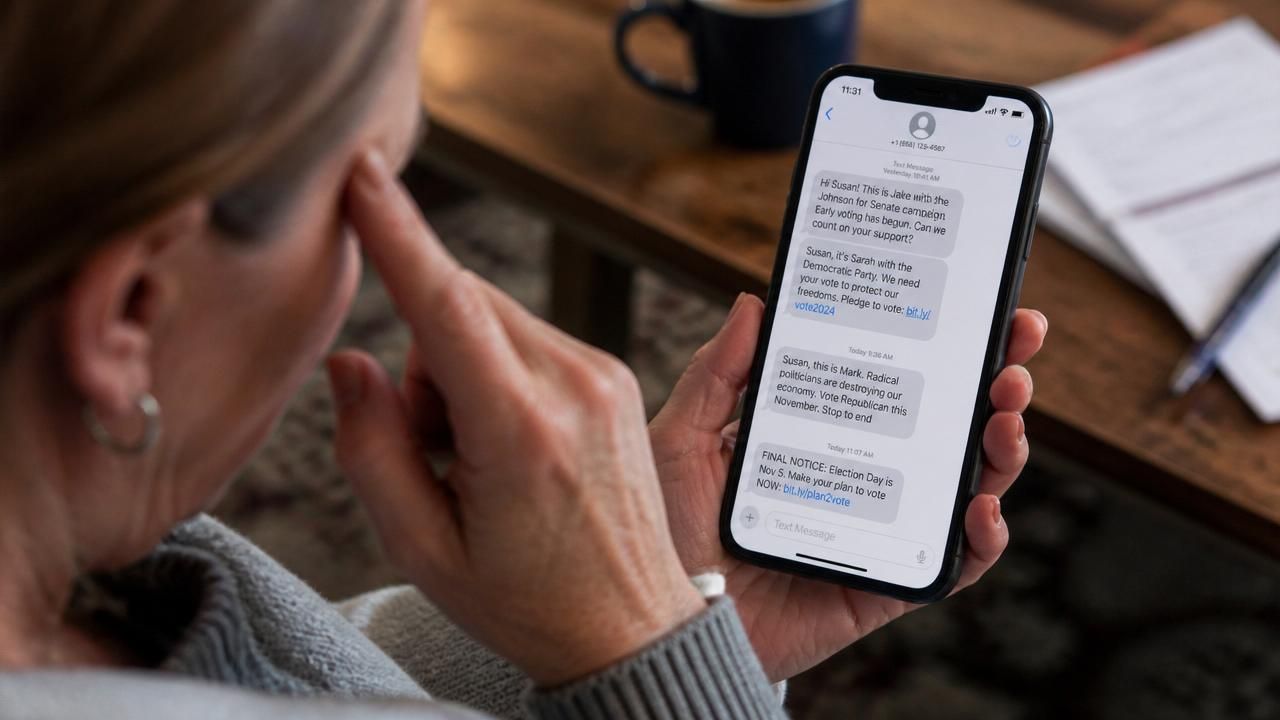
As the election season heats up, voters across the United States are experiencing a surge in political text messages, with many reporting a dramatic increase in the frequency and sophistication of these communications. From AI-powered bots that mimic candidates to automated messages that bypass the Do Not Call registry, campaigns are leveraging new technologies to reach voters directly on their phones. While these tactics are legal and often effective, they are also fueling widespread annoyance and raising questions about privacy, consent, and the future of political outreach.
The Rise of Political Texting
Political text messaging has become a cornerstone of modern campaign strategy. According to reports from NPR and other outlets, campaigns are now using artificial intelligence to generate personalized text conversations that sound like the candidates themselves. These AI-driven bots are trained on a candidate's speeches and public statements, allowing them to engage voters in real-time, answer questions, and even solicit donations. The result is a more intimate and interactive form of communication that can feel eerily personal.
“Taught to sound like a candidate, bots are engaging voters with personalized text messages, making AI-generated texting conversations the latest tool political campaigns are using to connect,” reported NPR. This technology marks a significant evolution from the mass robocalls and generic emails of past elections, offering campaigns a scalable way to simulate one-on-one conversations with millions of voters.
Why Voters Are Seeing More Texts
The surge in political texts is not accidental. Campaigns are investing heavily in digital outreach, and texting offers a high open rate—often over 90%—compared to email. However, the influx has left many voters wondering how campaigns obtained their phone numbers. According to CBS8 and other sources, campaigns often pull numbers from public voter registration records, which include phone numbers in many states. Additionally, data brokers sell lists of phone numbers and demographic information, allowing campaigns to target specific groups.
“Political texts are annoying, but legal,” noted CBS8, explaining that the Telephone Consumer Protection Act (TCPA) generally exempts political calls and texts from restrictions that apply to commercial telemarketing. The Do Not Call Registry does not cover political communications, meaning campaigns can legally contact anyone, even those who have opted out of commercial solicitations.
Public Backlash and Frustration
The backlash from voters has been intense. In Michigan, a key swing state, residents are particularly vocal. “Tired of election texts? You've got lots of company in Michigan,” reported the Detroit News. Similar sentiments are echoed across the country, with USA Today publishing guides on how to stop the messages, such as replying “STOP” or blocking the sender. However, experts note that replying can sometimes confirm that a number is active, leading to even more messages.
“Bombarded With Campaign Season Text Messages? You're Not Alone,” reported WUWM, highlighting the widespread nature of the issue. A survey cited by multiple outlets found that a majority of voters find political texts intrusive, yet campaigns continue to use them because they are effective at driving donations and turnout.
Legal and Ethical Considerations
While political texts are legal, they raise ethical questions about consent and privacy. The Guardian explored the effectiveness of annoying ads in a related article, noting that irritation can sometimes be a strategic tool. “Hole in your budget: is the most annoying ad of the election also the most effective?” they asked, suggesting that negative emotions can increase engagement.
However, some outlets, like Washingtonian, questioned why political texts are “out of control,” pointing to a lack of regulatory oversight. The Federal Communications Commission (FCC) has limited authority over political speech, leaving voters with few options beyond blocking numbers or filing complaints with their wireless carrier.
How to Stop Political Texts
For voters seeking relief, USA Today and other sources offer practical advice:
- Reply “STOP” to unsubscribe, though this may not always work with political campaigns.
- Block the sender on your phone.
- Report the number to the FTC if it appears to be a scam.
- Check your voter registration to see if your phone number is public and consider removing it.
- Use third-party apps that filter spam texts.
Despite these steps, many voters remain frustrated. As one voter told MSN, “I get dozens of texts a day from candidates I’ve never heard of. It’s overwhelming.”
Looking Ahead
The use of AI in political texting is likely to expand. As the technology improves, campaigns will be able to create even more convincing and personalized interactions. This raises concerns about misinformation and manipulation, as AI-generated texts could be used to spread false claims or impersonate candidates. Regulators are beginning to take notice, but for now, the burden falls on voters to manage their own inboxes.
In the meantime, the deluge of political texts shows no signs of abating. As one campaign strategist told NPR, “If it works, we’ll keep doing it. The annoyance factor is a price we’re willing to pay.” For voters, that price is increasingly their patience.