Xbox's first-ever chief operating officer is leaving the company just months after the position was created, marking a swift and unexpected reversal for a role that was meant to bring operational stability to Microsoft's gaming division.
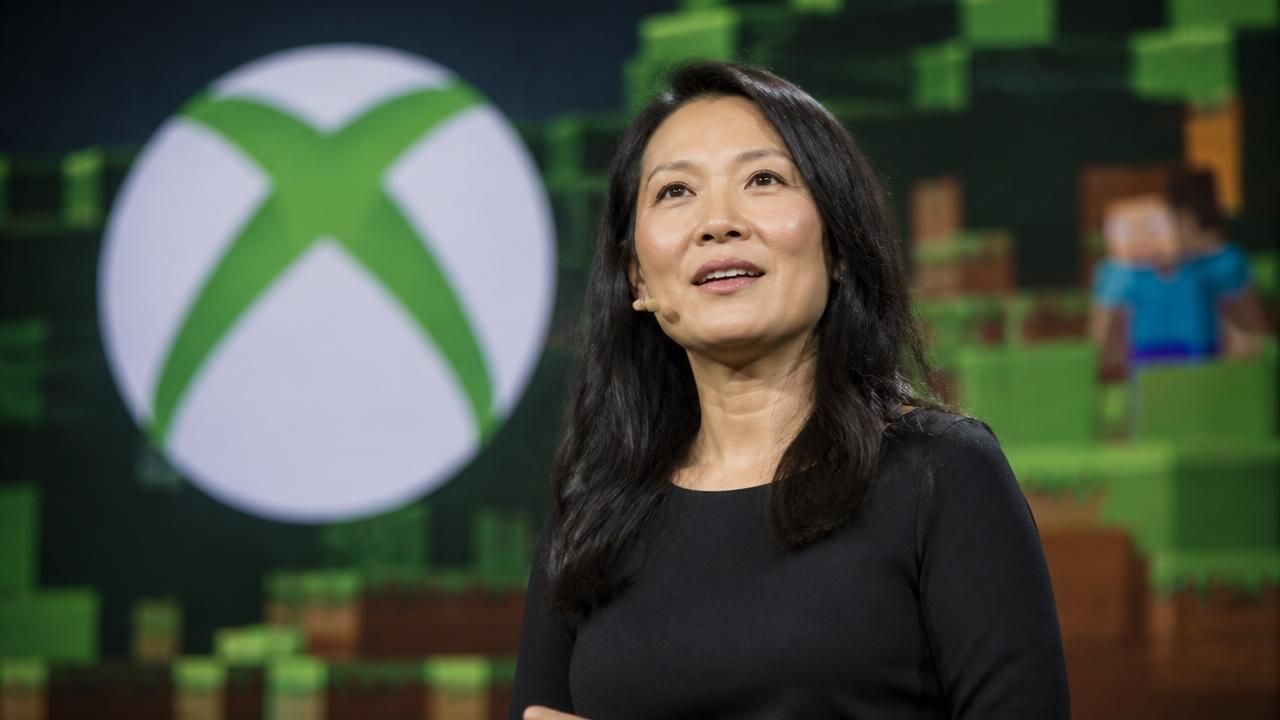
Helen Chiang, a 21-year Microsoft veteran who previously ran the Minecraft franchise, departed the company today, according to an internal Xbox memo reviewed by The Verge. Her exit was announced by Xbox CEO Asha Sharma in a notably brief message to staff.
"Helen Chiang is leaving Microsoft today. I'm grateful for her years of service and wish her well," Sharma wrote.
The terse nature of the announcement — a single sentence for a two-decade tenure — has raised eyebrows across the industry, with outlets framing the news as a signal of continued turbulence inside Xbox leadership. Reports from Shacknews, Gematsu, MSN and IGN converged on the same core detail: Chiang spent only about three months in the COO seat before her departure, a remarkably short stint for a role explicitly designed to coordinate operations across a sprawling global business.
Who Is Helen Chiang?
Chiang was a long-tenured and widely respected figure inside Microsoft. Over 21 years at the company, she built her reputation largely on Minecraft, the block-building phenomenon Microsoft acquired in 2014 for $2.5 billion. Under her stewardship, Minecraft expanded into a cross-platform juggernaut spanning consoles, PC, mobile, education and a booming merchandise business — one of the most commercially durable gaming properties in the world.
Her promotion to Xbox chief operating officer in July was presented as a natural extension of that operational pedigree. The role itself was new: Xbox had never previously had a COO, and the creation of the position was read by observers as a structural maturation move, aligning Microsoft's gaming arm with the operating cadence of other major business units. Chiang was expected to oversee cross-functional execution — supply chain, studio operations, and the coordination of a portfolio that now includes dozens of studios following the $68.7 billion Activision Blizzard acquisition.
The Mechanics of the Exit
According to The Verge, Chiang's immediate responsibilities are being divided among other Xbox leaders rather than consolidated under a single successor. That detail matters: it suggests the company is not currently planning to refill the COO position directly, and instead intends to distribute the function across the existing leadership bench.
Outlets covering the story emphasized different angles of the same event. The Verge led with the brevity of the internal memo and the speed of the departure, noting Chiang left the same day the news was shared. Shacknews foregrounded the contrast between 21 years of service and three months in the new job. Gematsu and MSN framed the news around the collapse of a newly created executive layer. Some outlets, including TechRaptor and IGN, published stories that were inaccessible at the time of collection due to paywalls, JavaScript requirements or server errors, but their headlines independently confirmed the same timeline and framing.
Why It Matters
Executive churn is not unusual in gaming, but the optics here are unusually sharp. Chiang's appointment was announced with fanfare in July as part of a broader effort to professionalize Xbox's operating structure. Her exit three months later — announced in a memo shorter than most product announcements — invites questions about whether that structure is being rethought entirely.
Xbox is navigating an unusually demanding period. The division has spent the past two years absorbing Activision Blizzard while cutting thousands of jobs across studios, shuttering several internal teams, and shifting toward a multiplatform publishing strategy that puts former exclusives on rival consoles. Each of those moves requires precisely the sort of cross-organizational coordination a COO is meant to deliver.
- Operational continuity: Chiang's duties are being split among existing Xbox leaders, leaving no single executive publicly accountable for the function she was hired to own.
- Institutional knowledge: Her departure removes a 21-year Microsoft veteran with deep experience in one of the company's most valuable entertainment IPs.
- Signal to staff: A same-day exit announced in a one-line memo offers little in the way of narrative closure for the teams that reported into the role.
What Comes Next
Neither Microsoft nor Xbox has offered a fuller statement beyond Sharma's memo, and it remains unclear whether Chiang is leaving voluntarily or as part of a broader reorganization. The company has not indicated whether the COO title will be retired, left vacant, or refilled at a later date.
For now, the practical effect is diffusion: responsibility for operations will sit with multiple leaders rather than one. Whether that arrangement becomes permanent — or is simply a stopgap while Xbox searches for a replacement — is likely to become clearer in the coming weeks. What is already evident is that the first chapter of Xbox's experiment with a chief operating officer has closed almost as quickly as it opened, and the division's next structural move will be watched closely by staff, partners, and investors alike.