Elon Musk says he will give a single share of SpaceX to every child in the United States next year, a promise that President Donald Trump said Thursday would be delivered through the administration’s new “Trump Accounts” savings program — a move that could place more than $10 billion of private rocket-company equity in the hands of roughly 73 million American children.
Musk announced the plan in a post on X, saying the stock would go to “every kid in America” sometime in 2026. “This will be the first of many,” he wrote, while thanking investor Brad Gerstner, a prominent booster of the Trump Accounts initiative, for “helping enable this.”
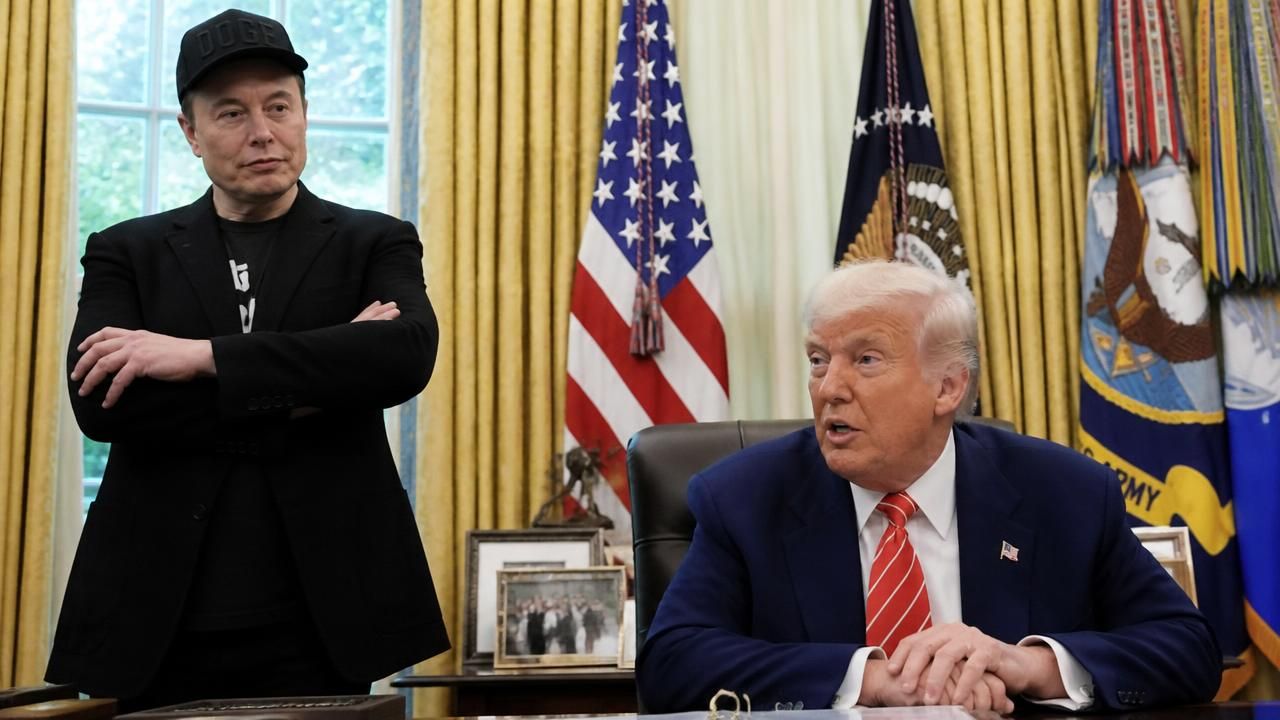
Trump appeared to confirm the arrangement hours later in a post on Truth Social, describing the giveaway as flowing through the Trump Accounts program. The White House did not immediately release formal details.
A giveaway routed through Trump Accounts
The “Trump Account” is a tax-advantaged custodial savings vehicle for children created under the 2025 tax legislation backed by the president. Under the program, which is scheduled to begin next year, the federal government is to seed accounts for newborns with a one-time $1,000 contribution, while families, employers and private donors can add funds annually up to a cap. The structure is designed to build long-term investment accounts for minors, similar in spirit to a 529 plan but with different rules.
Musk was not the only billionaire name attached to the effort. Reporting on the announcement also referenced Michael and Susan Dell, Ray and Barbara Dalio, Gerstner and SpaceX president Gwynne Shotwell, underscoring how the Trump Accounts concept has become a magnet for private philanthropy from some of the country’s wealthiest technology and finance figures. The Dell family previously pledged a multibillion-dollar commitment to the program, one of the largest private donations to a federal-adjacent savings initiative.
The math: roughly $146 a share, $10.5 billion in total
The headline figures are staggering. According to CNBC, using SpaceX’s valuation as of Friday, the roughly 72 million shares implied by the promise would be worth approximately $10.5 billion. With about 73 million residents under 18 in the United States, that works out to an implied value of roughly $146 per share — consistent with SpaceX’s private-market valuation, which has climbed toward the $400 billion range in recent tender offers.
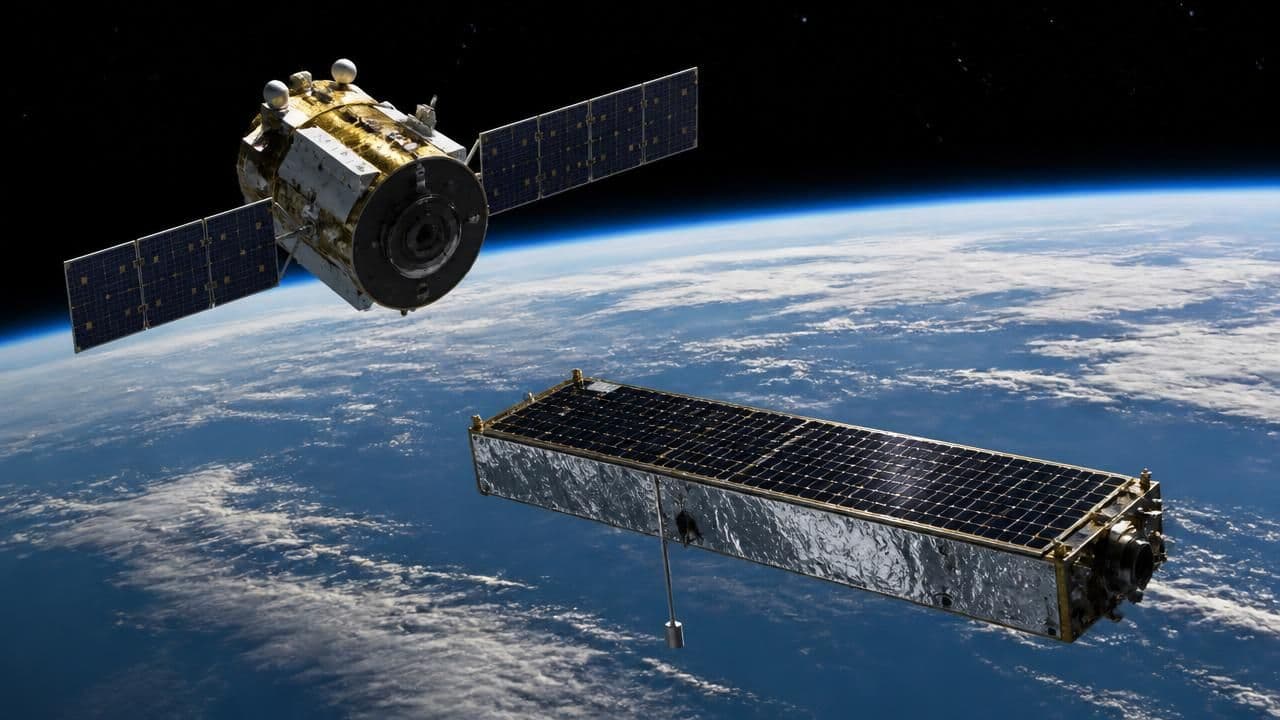
For context, a $10.5 billion commitment would dwarf most corporate philanthropic pledges and would rank among the largest single charitable-style transfers of private stock ever proposed. It would also hand a generation of children a tiny stake in the company that dominates Western launch services and operates the Starlink satellite broadband network.
“This will be the first of many.” — Elon Musk, announcing the SpaceX share pledge
The catch: a private company, a public promise
If the announcement was simple, the execution is anything but — a tension several outlets seized on. MSN framed its coverage around “what’s the catch,” while Techbooky asked simply “but how?” The open questions are substantial:
- SpaceX is not public. Its shares do not trade on an exchange, and transfers are tightly restricted by company policy and shareholder agreements. Putting equity into millions of children’s accounts would require an unprecedented transfer and custody mechanism.
- Securities and tax law. Distributing stock to minors raises registration questions, gift-tax considerations for Musk, and questions about how dividends, if any, would be taxed inside custodial accounts.
- Liquidity. Children could hold paper wealth for years with no way to sell until SpaceX lists shares or the accounts permit redemptions — a detail Musk did not address.
- Timing and eligibility. It is unclear whether the offer covers every child born or residing in the US, how citizenship would be verified, or whether the shares would be actual SpaceX common stock or an economic equivalent tracking its value.
- Whether it is a formal commitment. So far the plan exists as social-media statements from Musk and Trump, not as a filed corporate program.
How different outlets told the story
Coverage varied sharply by outlet. The Verge led with the mechanism, emphasizing that the shares would be distributed through Trump Accounts and highlighting Musk’s public thank-you to Gerstner — a signal of how intertwined the giveaway is with the political project of the accounts themselves. CNBC TV18 and other business outlets focused on the striking headline: one share, every child, roughly $10 billion. Stocktwits covered it through a markets lens, flagging the “first of many” line as a potential signal about Musk’s broader plans for retail investors and SpaceX’s eventual public listing. Yahoo Finance bundled the pledge with Musk’s other futuristic pronouncements, including talk of flying Teslas, framing it as part of a pattern of attention-grabbing promises.
Several outlets, including the Detroit Free Press and Stocktwits, served readers paywalls or bot-blocking pages, limiting how much detail reached audiences — a reminder that early reports on the plan leaned heavily on Musk’s own posts and Trump’s confirmation rather than independently verified program documents.
Why it matters
The pledge lands at a moment when Musk’s relationship with the Trump administration is both unusually close and unusually visible, and when the Trump Accounts program is still being built. Billionaire participation gives the initiative credibility and publicity; it also raises questions about whether public policy is being shaped around the preferences of a handful of donors.
For SpaceX, the announcement doubles as a branding exercise ahead of any eventual IPO, seeding familiarity with the company among millions of future investors. For Musk, it burnishes a reputation for spectacle — and for philanthropy conducted through equity rather than cash. For families, the practical value will depend entirely on details that have not yet been published: custody, tax treatment, transferability and timing.
Until those arrive, the giveaway remains one of the largest philanthropic promises ever made in a social-media post — and one of the least specified.