New Zealand's inflation outlook is turning more hawkish just as global markets confront a fresh oil shock. Bloomberg Markets reported that New Zealand inflation likely eased slightly in the third quarter, but that the respite is set to be short-lived as a weaker currency and surging oil prices drive an acceleration in the final three months of the year. The combination is building the case for further rate hikes, even as lenders remain divided over whether the Reserve Bank of New Zealand will move at its October cash-rate decision.
The domestic debate is part of a broader global story. Reuters framed the moment as a global rate-hike cycle in view as central banks take on inflation. In the United States, Yahoo Finance reported that three Federal Open Market Committee voters back additional rate hikes to cool inflation. And MSN reported that global bond yields surged as an oil spike fueled inflation fears. Taken together, the reports describe a policy environment in which investors are again pricing the risk that inflation stays higher for longer.
New Zealand: A Short-Lived Respite
Bloomberg's account puts New Zealand at the center of the renewed inflation concern. The third-quarter data were expected to show a slight easing, but the forward-looking signals are less comforting. A weaker New Zealand dollar raises the cost of imported goods, including fuel, while higher oil prices feed directly into transport and household energy costs. Those channels can turn what looks like a temporary cooling into a year-end reacceleration.
The respite is set to be short-lived as a weaker currency and surging oil prices drive an acceleration in the final three months of the year, Bloomberg reported, building the case for rate hikes.
That framing matters for the Reserve Bank of New Zealand, which sets the official cash rate. If inflation pressures are broadening at year-end, the central bank may conclude that holding policy steady risks letting inflation expectations become entrenched. But timing is contested.
Banks Split Ahead of October
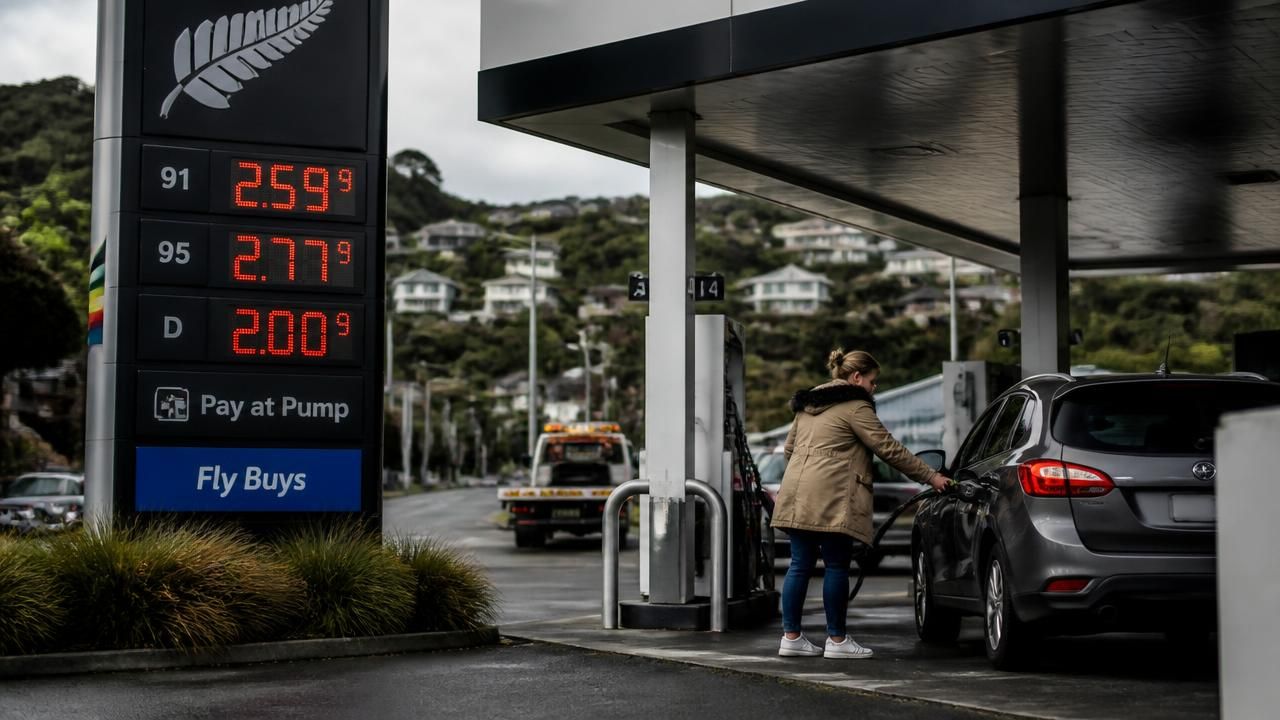
NZ Adviser reported that banks are split on an October cash rate hike as inflation pressures mount. The split reflects a genuine analytical divide: one camp sees enough persistence in domestic inflation and imported price pressure to justify an immediate move; another prefers to wait for more evidence and avoid overtightening into a slowing economy. The same outlet also reported that New Zealand petrol prices jumped 6.4%, a concrete illustration of how fuel costs can complicate the inflation outlook.
The petrol data are not merely a headline number. Fuel is a visible, frequent purchase that shapes household inflation expectations. When petrol prices rise sharply, consumers notice; businesses face higher transport costs; and central bankers must decide whether the move is a one-off relative-price shift or the start of broader wage and price setting. The answer depends on how long oil stays elevated and how much the weaker currency amplifies the shock.
Global Backdrop: Bond Yields and FOMC Voices
The New Zealand story is unfolding against a synchronized tightening backdrop. Reuters' headline - global rate-hike cycle in view as central banks take on inflation - captures the mood. The common thread is not identical inflation data but a shared problem: price pressures that are proving stickier than hoped, and central banks that do not want to be remembered as having paused too early.
In Washington, three FOMC voters have backed additional rate hikes to cool inflation, according to Yahoo Finance. That is a significant signal because it shows hawkish sentiment is not confined to a single official. It also reinforces the idea that the Federal Reserve's debate is shifting from whether to hike to how much further is needed. For global markets, that matters because US rates anchor financial conditions well beyond America's borders.
Bond markets have already responded. MSN reported that global bond yields surged as an oil spike fueled inflation fears. Rising yields tighten financial conditions on their own, raising borrowing costs for households and companies and testing equity valuations. They also create a feedback loop for central banks: if market rates rise sharply, policymakers may not need to hike as aggressively, but if yields rise because inflation fears are mounting, the pressure for official rate increases remains.
What It Means
The competing signals explain why banks are split. Bloomberg's market lens emphasizes the case for hikes; NZ Adviser's domestic reporting shows that the timing is not settled; Reuters places the debate in a global cycle; Yahoo Finance highlights hawkish FOMC voices; and MSN captures the bond-market reaction. The common conclusion is that the inflation fight is not over, even where quarterly data show modest improvement.
- For New Zealand households: mortgage rates and fuel costs remain the key pressure points. An October hike would add to debt-service burdens, while a pause would offer only limited relief if imported inflation keeps rising.
- For the Reserve Bank: the October decision is a credibility test. Moving too soon risks overtightening; moving too late risks inflation expectations drifting higher.
- For global investors: oil prices, bond yields and Fed rhetoric are now intertwined. A sustained yield surge could do some of the central banks' tightening for them.
- For the global economy: the rate-hike cycle remains alive. The risk is not just higher rates, but higher rates into weaker growth.
In the end, the story is less about a single data point than about direction. New Zealand's third-quarter easing may provide a brief headline relief, but the year-end setup - weaker currency, expensive oil, rising petrol prices and hawkish global central banks - points to continued volatility. The October cash-rate decision will be watched not only for what the Reserve Bank does, but for what it signals about how far the global inflation fight still has to run.