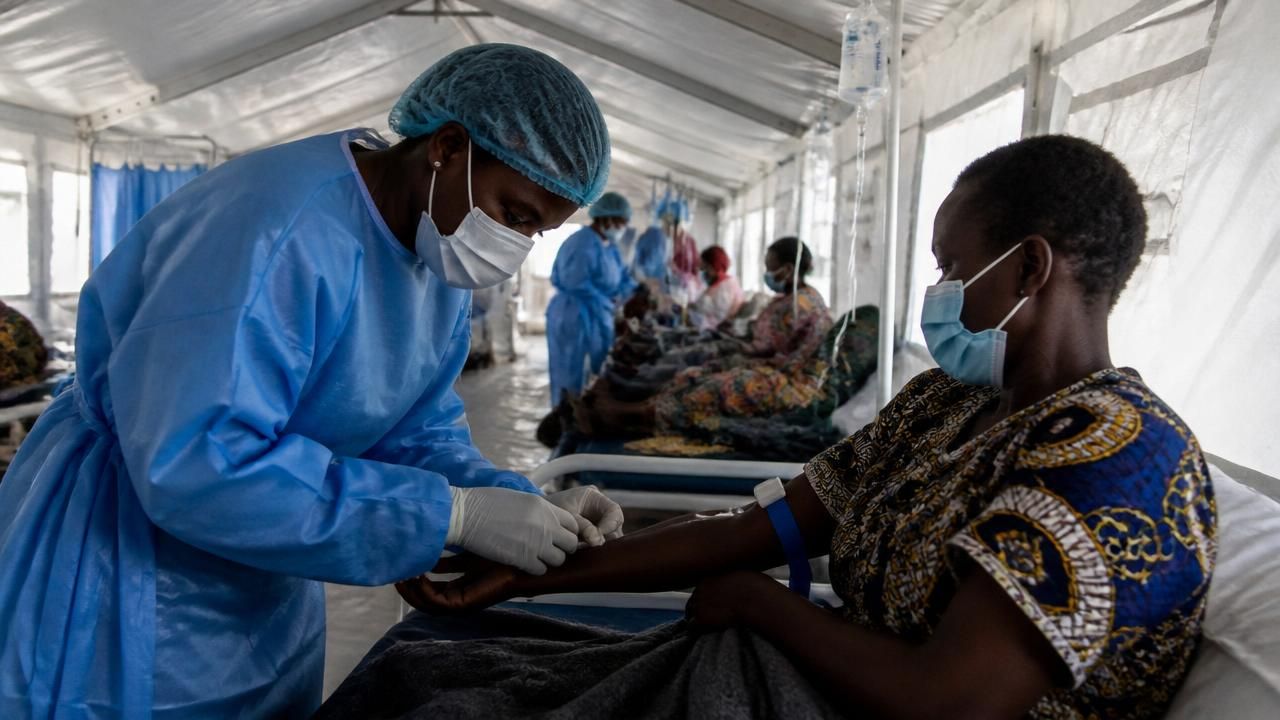
In a landmark development for global health, the first patients have been enrolled in a clinical trial testing treatments for the Ebola strain currently ravaging the Democratic Republic of the Congo (DRC). The trial, launched in the Ituri region, marks the fastest initiation of such research in history—just six weeks after the World Health Organization (WHO) declared the outbreak a public health emergency of international concern on May 17. With no approved drugs for the Bundibugyo virus species, the trial offers a critical lifeline as the outbreak shows no signs of abating.
A Race Against Time
The DRC is facing its 14th Ebola outbreak, but this one is unique: it is caused by the Bundibugyo virus, a strain for which no specific treatments exist. As of late July, the outbreak has claimed nearly 500 lives, with community transmission persisting in remote areas. The trial, a randomized controlled study, will evaluate two investigational drugs: ZMapp, a monoclonal antibody cocktail previously tested in West Africa, and remdesivir, an antiviral that has shown promise against other filoviruses. The goal is to reduce the high mortality rate, which has historically ranged from 25% to 90% depending on the strain and response.
“This is a record pace to set up and start this kind of research,” said a WHO spokesperson. “Patients were enrolled just six weeks after the outbreak was declared, which is unprecedented.”
The trial is being conducted by the DRC’s National Institute for Biomedical Research (INRB) in collaboration with the WHO, Médecins Sans Frontières (MSF), and other partners. It follows a protocol similar to the successful PALM trial conducted during the 2018-2020 Ebola outbreak in the DRC, which tested four drugs and identified two that significantly improved survival.
Differing Perspectives on the Response
While the trial represents a major scientific achievement, the response has not been without challenges. Some health workers in the region have gone on strike, demanding better pay and working conditions. MedPage Today reported that strikes have disrupted care, even as deaths near 600. Meanwhile, community mistrust remains a hurdle, with some residents clinging to hope but others skeptical of foreign interventions. A Reuters report highlighted that the US has provided experimental treatments, bringing the trial closer, but logistical hurdles persist.
France24 emphasized the WHO’s role in coordinating the trial, while STAT News noted the fast-growing nature of the outbreak, urging swift action. The Guardian pointed out that no approved drug exists for Bundibugyo, making the trial a desperate but necessary step. In contrast, the New England Journal of Medicine (NEJM) published results from earlier trials of ZMapp, showing it was safe but not significantly more effective than supportive care, underscoring the need for new options.
Lessons from the Past
The current trial builds on lessons from the 2014-2016 West African Ebola outbreak, which killed over 11,000 people. In a WHO report titled “Ebola then and now,” experts outlined eight lessons applied in the DRC, including rapid research deployment, community engagement, and strengthening health systems. The Gavi vaccine alliance also highlighted historic experiments that paved the way, such as the first randomized trial of convalescent plasma during the 2014 outbreak.
What’s at Stake?
The Bundibugyo strain is less common than Zaire ebolavirus, but it still poses a significant threat. Without effective treatments, the outbreak could spread further. Uganda has already reported a case, and France recorded a separate imported case, raising fears of international spread. The trial’s success could not only save lives in the DRC but also provide a template for future outbreaks.
“We are in a race against time,” said Dr. Jean-Jacques Muyembe, director of the INRB. “But with this trial, we have hope.”
Implications for Global Health
The rapid initiation of the trial demonstrates the value of pre-positioned research infrastructure and international collaboration. However, experts caution that the results must be transparently reported. A Science.org investigation revealed that some clinical trial sponsors have failed to publish results, violating legal requirements. The WHO has committed to open data sharing for this trial, a move welcomed by advocates.
As the world watches, the DRC trial represents a beacon of scientific progress amid a devastating outbreak. Whether it will yield a breakthrough remains to be seen, but for the patients and communities affected, every effort counts.