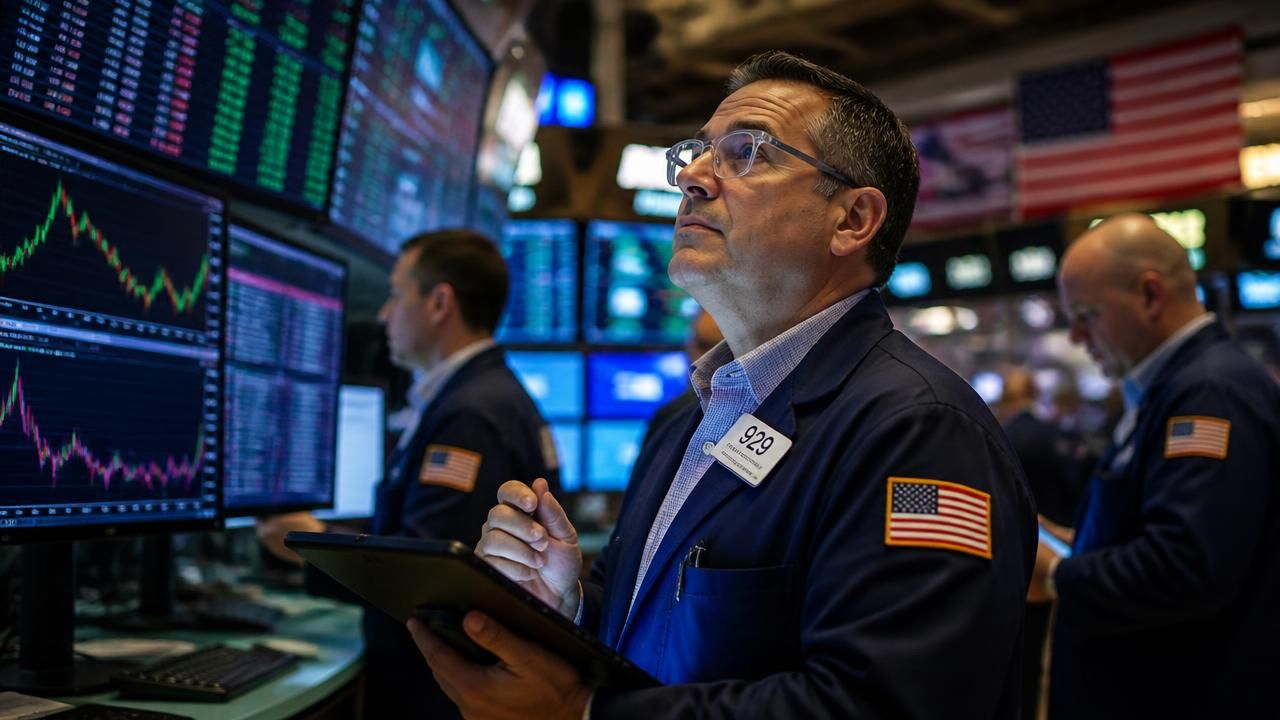
Global equity markets moved higher on Thursday as a sharp rebound in technology and semiconductor shares steadied investors following a volatile stretch of AI-driven selling. Futures tied to the S&P 500 and Nasdaq rose in premarket trading, while European and Asian benchmarks followed Wall Street's lead, with Germany's DAX closing 1.0 percent higher and Hong Kong stocks recovering as tech names rallied.
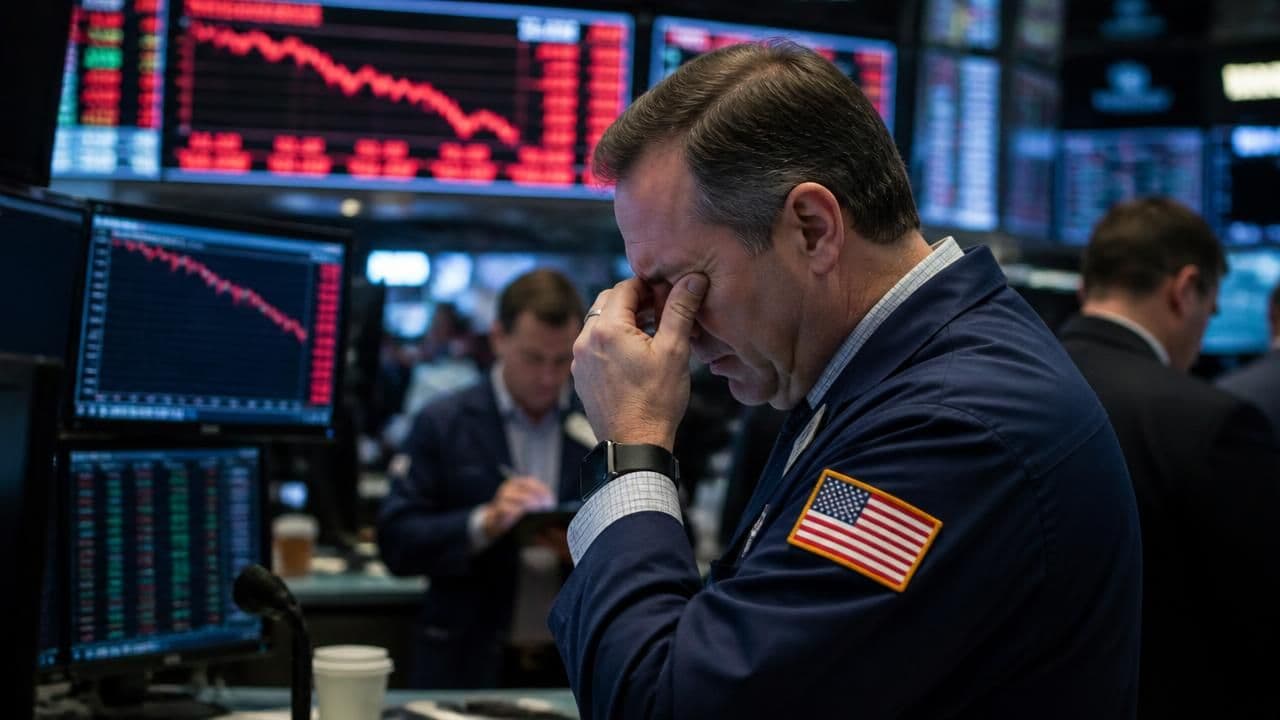
The move marks a partial reversal of a selloff that had dented the market's most crowded trade — artificial intelligence — and raised questions about whether valuations at the center of the rally can withstand persistently higher interest rates. According to MarketWatch, Nasdaq futures pointed to an advance of roughly 350 points, while other outlets reported a broader lift across growth stocks as Treasury yields retreated.
Wall Street: Futures Point Higher as the AI Trade Steadies
The headline story across financial media was remarkably consistent: technology shares were bouncing. Bloomberg's Surveillance framed the session as one in which "stocks rise as tech rebounds," while MSN and Yahoo Finance reported that S&P 500 and Nasdaq futures climbed as AI-linked names recovered ahead of key earnings reports and fresh inflation data.
The Dow Jones Industrial Average presented a more mixed picture. One early read had the blue-chip index slipping even as the Nasdaq and S&P 500 advanced — a classic signature of a session driven by growth stocks rather than the broader industrial economy. Later in the day, Invezz reported the Dow had risen 423 points as tech stocks rebounded, a reminder that intraday narratives can shift quickly when megacap technology carries as much index weight as it now does.
Also supporting risk appetite: falling Treasury yields. TipRanks noted that futures rose as the tech selloff eased and yields moved lower, easing pressure on the discounted cash-flow math that underpins high-multiple growth stocks.
Chips Lead the Charge
At the center of the recovery was the semiconductor complex. MSN reported that chip stocks rebounded, with Intel and SK Hynix rising after the recent selloff. The two names represent different parts of the supply chain — Intel as a legacy American integrated manufacturer attempting a foundry turnaround, SK Hynix as a key supplier of high-bandwidth memory that powers AI accelerators — and their joint bounce gave investors a reason to believe the AI infrastructure trade remains intact.
The rebound was not confined to the United States. In Hong Kong, technology shares rallied as the market recovered, though the debut of ESWIN Computing slipped, suggesting investors remain selective about new AI-adjacent listings. In Australia, stocks rose on the tech rebound, and Maas Group jumped after disclosing a share buyback — a signal that corporate capital returns are still being rewarded even in a cautious tape.
Oil Slips, Telecom Slides
Two side stories complicated the risk-on picture. Crude prices fell amid hopes for increased Russian diesel supplies, according to The Asia Business Daily's New York markets report — a reminder that energy markets remain tethered to geopolitics and that lower oil can cut both ways for equities, helping consumers while hurting the energy sector.
Meanwhile, telecom shares slid on news tied to SpaceX, according to Invezz, underscoring how Elon Musk's satellite and connectivity ambitions continue to ripple through the traditional carrier business. The divergence — chips up, telecom down — illustrates that this is a technology rotation as much as a broad market rally.
The Skeptical Case: A Recovery Left Unproven
Not every outlet read the session as a turning point. The Tokenist struck a notably more cautious tone, arguing that AI stocks were lagging even as futures bounced — leaving the recovery unproven rather than confirmed.
"AI Stocks Lag as Futures Bounce, Leaving Recovery Unproven" — The Tokenist
That framing matters. Futures gains can evaporate by the closing bell, and a single session of strength does little to resolve the deeper debate over whether AI capital expenditures will generate the returns that current valuations imply. The recent selloff was, after all, a repricing of exactly that question.
The Bull Case: History and AI on Their Side
On the other side of the ledger, Investopedia highlighted research suggesting that, with history and AI on their side, tech stocks could be unfazed by higher rates. The argument runs that AI-driven earnings growth may be powerful enough to offset elevated discount rates — a thesis that will be tested as companies report results and guide on spending in the weeks ahead.
What to Watch Next
- Inflation data: Investors are positioning ahead of key price readings that will shape expectations for Federal Reserve policy.
- Earnings season: Guidance from megacap technology and semiconductor firms will be scrutinized for AI capex signals.
- Treasury yields: The recent decline in yields has been a tailwind; a reversal would pressure growth stocks.
- Oil prices: Russian diesel supply developments could swing energy and transport costs.
- Global breadth: Whether Europe's DAX and Hong Kong's rebound can extend beyond a single session of tech-led relief.
Why It Matters
The session encapsulates the central tension in markets today: a concentrated bet on artificial intelligence that has powered index gains but left portfolios vulnerable to sharp reversals. When the AI trade wobbles, it drags the Nasdaq, the S&P 500 and, increasingly, global benchmarks with it — as the synchronized moves in Frankfurt, Hong Kong and Sydney demonstrated.
For now, the bulls have the upper hand. Futures are green, chips are leading and yields are cooperating. But as the more skeptical coverage of the day made clear, one rebound does not make a recovery — and the market's next real verdict will arrive not from the futures desk, but from the inflation report and the earnings calls that follow.