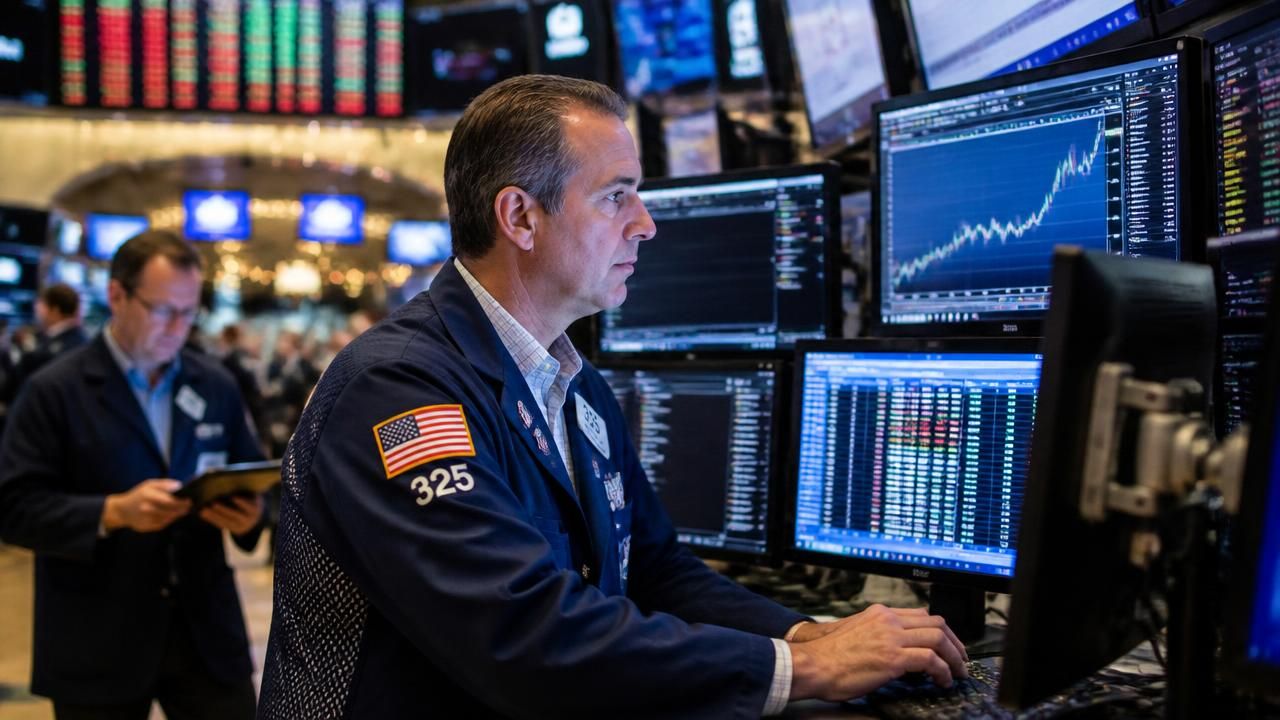
US equity-index futures rose on Monday, clawing back ground lost in last week's sharp semiconductor selloff, as investors returned to buying the dip in artificial intelligence-linked names ahead of a dense slate of megacap earnings. Dow, S&P 500 and Nasdaq 100 futures all pointed higher in premarket trading, while crude oil slipped — a combination that offered markets a measure of relief after days of turbulence tied to the AI trade.
The rebound follows a bruising stretch for chipmakers that rippled across the broader market. At the center of the anxiety: signs of softer-than-expected revenue momentum at OpenAI, the privately held standard-bearer of the generative AI boom, which rattled confidence in the sprawling ecosystem of companies whose valuations have come to depend on relentless AI spending.
The selloff that set the stage
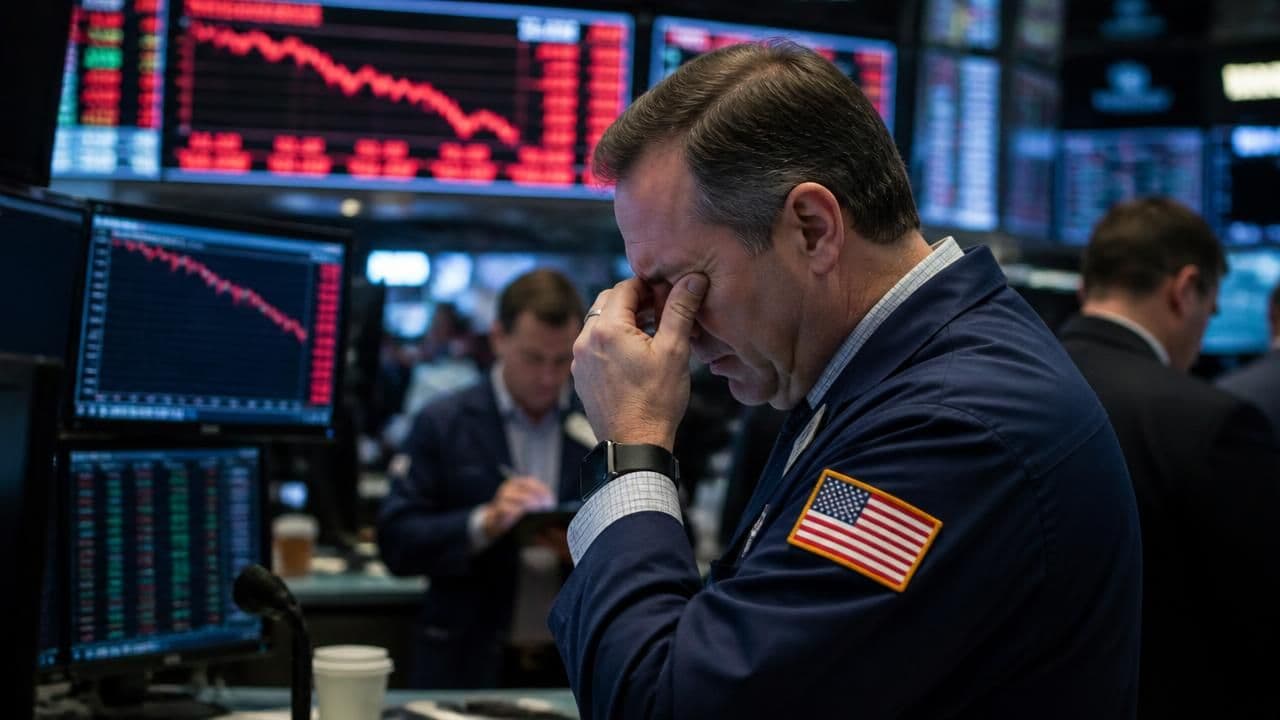
Last week's rout in semiconductors was severe enough that some market watchers invoked the specter of a "Black Monday" scenario heading into the new trading week. Coverage from Invezz captured the mood at its worst, reporting that Nasdaq futures had tumbled roughly 180 points in one session, with traders rattled by the combination of stretched AI valuations, rising yields and uncertainty over the pace of data-center spending.
By the weekend, the selling had left the S&P 500 and Nasdaq Composite posting weekly losses, according to Investopedia's markets coverage, as the tech sell-off ground on. That set up Monday's session as a test of whether dip-buyers would step in or whether the unwind had further to run.
They stepped in — at least in the futures market.
Futures point higher as chips stabilize
Bloomberg Markets framed the move as a reprieve: futures "rebounded from last week's chip rout, offering some respite ahead of key earnings that may set the market's direction amid mounting pressure on the artificial intelligence trade." Oil, too, fell, adding a second source of relief for risk assets.
CNBC's live markets coverage struck a similar note, describing investors as actively buying the dip in the AI trade. Schaeffer's Research reported stock futures rebounding as tech turned higher, while NewsBytes attributed the gains to a broader tech rebound that helped ease fears stoked by OpenAI's revenue figures.
Not every outlet saw it the same way. Invezz's headline — "Nasdaq futures crash 180 points" — reflected the earlier, darker session rather than Monday's recovery, a reminder that the same underlying story can read as capitulation or as opportunity depending on the timestamp. Seeking Alpha, meanwhile, framed its preview around oil trading near $110 a barrel, a figure at odds with the "oil falls" framing that dominated other coverage — a discrepancy that may reflect different benchmarks, contract months or reporting windows.
An earnings gauntlet
The week's direction will likely be set by results from the largest technology companies, several of which report in the coming days. Coverage flagged Meta, Tesla and SpaceX among the key names, alongside attention on telecom heavyweights AT&T and Verizon and AI-adjacent tickers such as Nebius (NBIS).
- Meta — capital-expenditure guidance will be scrutinized as a proxy for AI infrastructure demand.
- Tesla — margins and robotaxi/autonomy commentary in focus.
- SpaceX — a read on private-market space and satellite economics.
- AT&T and Verizon — defensive cash flow and dividend positioning against tech volatility.
- AI infrastructure names — the most direct transmission channel for OpenAI-related sentiment.
Retail traders, per Stocktwits, remained cautious even as futures spiked — a divergence worth noting, since retail flows amplified many of the AI-adjacent moves this year.
Macro backdrop: Fed, yields and JOLTS
Rate expectations remain the other half of the equation. FXEmpire tied the tech rebound to falling Treasury yields following a Federal Reserve rate hike, a dynamic in which easing borrowing costs disproportionately benefit long-duration growth stocks. Monday's calendar includes the US JOLTS job-openings report, a key gauge of labor-market tightness that feeds directly into Fed pricing, alongside a cluster of AI industry events that could move sentiment independently of the data.
"US equity-index futures rebounded from last week's chip rout, offering some respite ahead of key earnings that may set the market's direction amid mounting pressure on the artificial intelligence trade." — Bloomberg Markets
Why it matters
The AI trade has become the market's dominant engine of returns and, increasingly, its dominant source of risk. Concentration in a handful of megacap names means a single disappointment — a revenue miss at a private AI leader, cautious capex guidance, or a soft jobs number — can transmit rapidly across indices. Monday's rebound suggests investors still believe in the spending cycle, but the caution evident among retail traders and the sensitivity of futures to a single OpenAI datapoint argue that conviction is thinner than it appears.
For now, the buyers have the upper hand. Whether they keep it depends on the numbers due later this week — and on whether the labor market gives the Fed room to stop tightening.