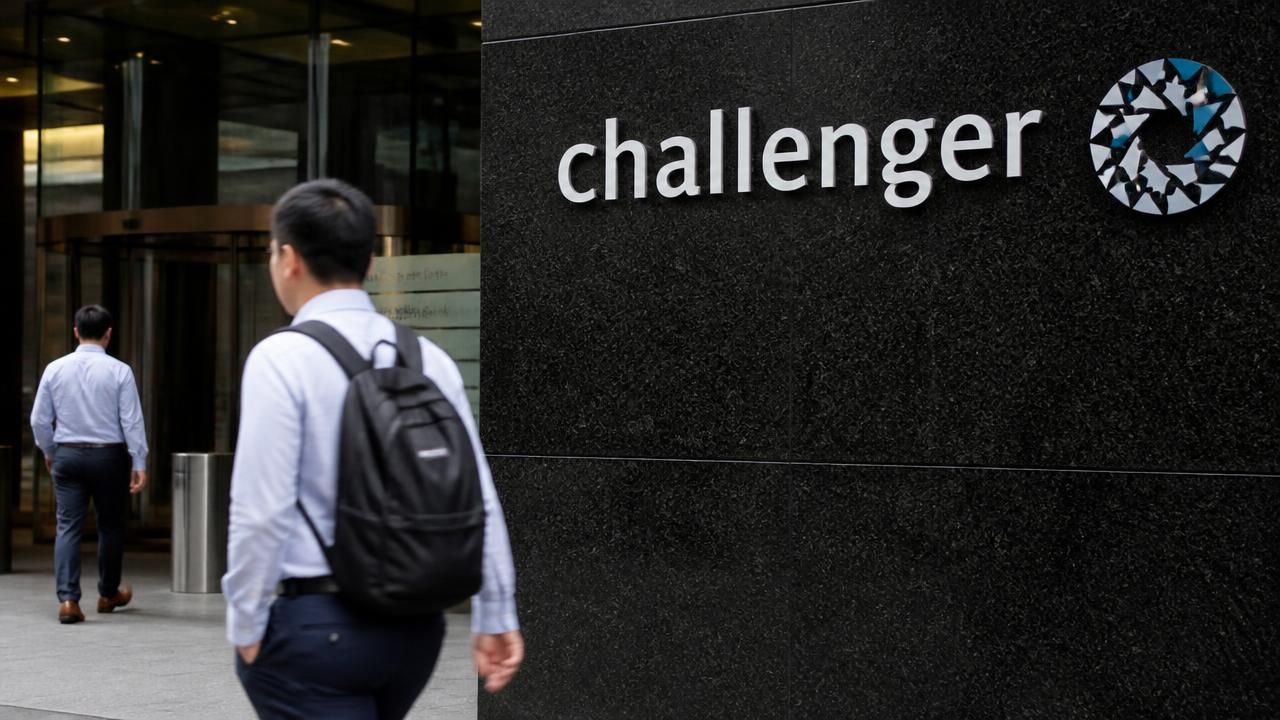
Daiichi Life Group Inc. has offered to buy the rest of Challenger Ltd., in a deal that would value the Australian retirement-income specialist at around A$7.9 billion ($5.5 billion), according to people familiar with the matter. The Japanese insurer's unit is bidding roughly $4.4 billion for the approximately 80% of the Sydney-based company it does not already own, according to reports first carried by Bloomberg and confirmed in filings and wire summaries picked up by MSN and other outlets.
The proposal, if completed, would be one of the largest takeovers of an Australian financial services company in recent years and the latest in a series of overseas acquisitions by Japanese insurers seeking growth beyond their saturated home market.
What Is Being Proposed
The structure is a two-step transaction. Daiichi Life, through an Australian subsidiary, would acquire all remaining shares in Challenger that it does not hold, taking the annuities and retirement-income provider private. The offer implies an enterprise value of about A$7.9 billion, or roughly $5.5 billion at prevailing exchange rates, and the cash consideration for the minority stake alone is valued at about $4.4 billion.
Challenger is best known as Australia's largest provider of annuities — products that convert a lump sum of retirement savings into a guaranteed lifetime income stream. The company sits at the centre of the country's roughly A$4 trillion superannuation system, the fourth-largest pool of retirement savings in the world, as more Australians move from accumulation into the drawdown phase.
Why Japan Is Buying Australia
The bid fits a pattern. Japan's biggest insurers — Daiichi Life, Tokio Marine, MS&AD and Sompo — have spent the past decade buying assets in the US, Europe and Asia as low domestic bond yields, a shrinking population and a mature life-insurance market cap growth at home. Australia, with its compulsory superannuation system, mandatory contributions and an ageing population, offers the opposite profile: a growing, mandated pool of long-term savings.
Daiichi Life is not a newcomer to Challenger. The Tokyo-based group took a strategic stake in the company in 2021, alongside a distribution partnership, giving it board representation and a close look at the business. That existing holding is what makes the remaining 80% the target of the current offer.
The strategic logic of the deal is straightforward: Daiichi Life buys access to a fast-growing retirement-income market and a distribution platform, while Challenger gains a deep-pocketed parent as Australian regulators scrutinise the annuities sector and competition from global asset managers intensifies.
How the Story Is Being Framed
Coverage of the bid has diverged in emphasis. Bloomberg Markets led on the headline numbers — $4.4 billion for the remaining stake and an A$7.9 billion ($5.5 billion) valuation for the whole company — framing the move as the latest example of Japanese insurers expanding abroad. Wire services syndicated through MSN kept the focus on the corporate mechanics: a Japanese unit tabling an offer to take over an Australian financial firm, and the target confirming it had received a takeover proposal.
Trade outlet MarketScreener highlighted the ownership arithmetic, describing the transaction as a bid for the remaining 80% stake in Challenger. Martin Cid Magazine took the widest lens, casting the deal as a bet on Australia's retirees — a demographic wager on the country's swelling cohort of people converting savings into income, and on the products that will serve them.
Each framing captures part of the story. The financial press sees a balance-sheet transaction; the wires see a deal announcement; the trade press sees a stake purchase; and the feature writers see a demographic megatrend. All four are accurate.
The Australian Retirement Opportunity
Australia's retirement system is unusual in global terms because contributions are compulsory, which means the pool of assets grows regardless of market conditions. As the first cohorts of the system's members retire in large numbers through the 2020s and 2030s, demand for guaranteed income products is expected to rise sharply. Challenger has positioned itself as the primary supplier of those products, using long-dated fixed-income and alternative assets to back its annuity liabilities.
That makes the company attractive to an insurer with a large balance sheet and sophisticated asset-liability management — precisely what Daiichi Life brings. Japanese insurers have long invested in Australian infrastructure and credit, and the country's relatively high yields compared with Japan have made it a favoured destination for outbound capital.
What Comes Next
- Board response: Challenger's independent directors are expected to weigh the offer against the company's standalone prospects, with the existing Daiichi Life stake complicating governance.
- Regulatory approval: The deal would require clearance from Australia's Foreign Investment Review Board, the Australian Prudential Regulation Authority and likely the competition regulator.
- Rival interest: With Challenger holding a dominant position in Australian annuities, other global insurers and private equity firms could yet emerge as counter-bidders.
- Financing: Daiichi Life would need to fund a multi-billion-dollar cash payment, a test of its capital position at a time when Japanese insurers are already deploying record sums abroad.
For Daiichi Life, the deal is a bet that Australia's compulsory savings system will keep feeding demand for retirement-income products for decades. For Challenger, it is a chance to secure a deep-pocketed parent at a moment when the annuities market is becoming more competitive and more heavily regulated. And for the wider market, it is the clearest signal yet that Japan's insurance giants view Australia as a core strategic market rather than a portfolio allocation.