A 1990s Icon Attempts a Second Act
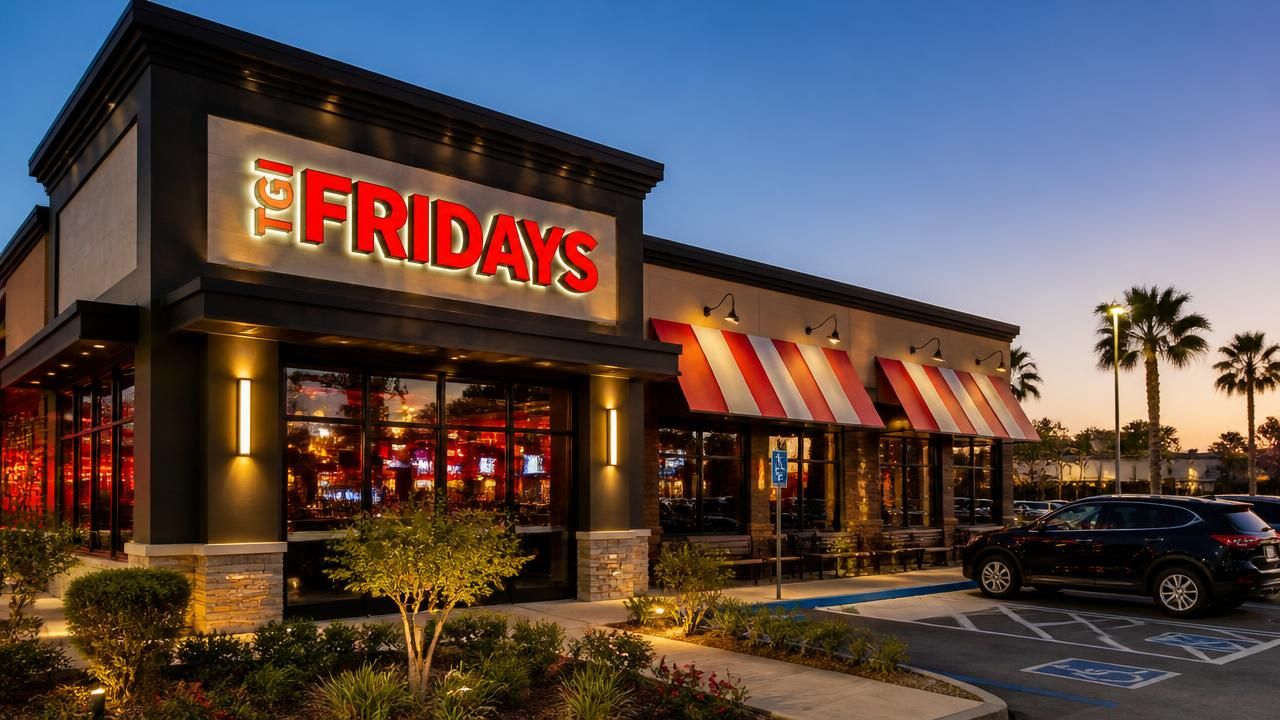
TGI Fridays, the casual-dining chain that helped define American restaurant culture in the 1990s, is trying to write a comeback story. After a period of industry turmoil and closures, the company is opening new restaurants again and promoting a turnaround plan built on the fundamentals that once made it a household name: food, service and atmosphere.
The effort is being led by CEO Ray Blanchette, who used an appearance on Bloomberg’s “The Close” with Romaine Bostick to outline how TGI Fridays intends to stand apart in a crowded casual-dining market. His message was less about reinvention than restoration.
“We want to stand out in casual dining through value, quality food and attentive service,” Blanchette said, identifying food, service and atmosphere as the priorities for attracting customers.
Those three words may sound simple, but they represent a deliberate shift back to basics. Blanchette said the chain has a renewed focus on scratch cooking and on “bringing energy back to the business”—a nod to the lively, bar-and-grill atmosphere that once made TGI Fridays a cultural touchstone.
Expansion Reports Signal Momentum
The CEO’s comments come as local news outlets across the country have begun asking whether the chain’s comeback will reach their markets. Yahoo Finance reported that TGI Fridays’ U.S. comeback is gaining momentum, while a separate Yahoo Finance report examined whether new restaurants will open in Florida. In Ohio, the Cincinnati Enquirer asked, “TGI Fridays opening new restaurants again. Are any coming to Ohio?”
Those headlines—from national business sites to regional newspapers—capture the dual nature of the story. At the corporate level, TGI Fridays is selling a financial and operational turnaround. At the local level, readers want to know whether their communities will get a new location, jobs and dining options.
The company has not yet released a comprehensive list of new markets, and reports about Ohio and Florida remain speculative. But the fact that expansion questions are being asked in both the Midwest and the Sun Belt suggests the chain is considering a broad geographic footprint, not a single-region pilot.
Why the Comeback Matters
TGI Fridays was founded in 1965 in New York City and became a pioneer of the casual-dining segment, known for its eclectic décor, Long Island iced teas and a menu that mixed American bar food with global flavors. By the 1990s, it was a dining icon, with locations in nearly every major market and a brand presence that extended into frozen appetizers and retail products.
But the past decade has been brutal for casual dining. Fast-casual chains such as Chipotle and Panera Bread siphoned off younger customers, while inflation and labor shortages squeezed margins. The pandemic accelerated shifts toward takeout and delivery, and many legacy sit-down restaurants struggled to adapt. TGI Fridays was not immune: closures and restructuring made headlines, and the brand’s cultural relevance faded.
Now, the chain is betting that consumers still want a sit-down experience—provided the food is good, the service is sharp and the atmosphere is worth paying for. That is a contrarian bet in an era when many restaurant operators are focused on drive-thru lanes and digital ordering.
A Back-to-Basics Strategy
Blanchette’s strategy rests on three pillars:
- Value: In a time of high menu prices, TGI Fridays wants customers to feel they are getting a fair deal. That does not necessarily mean the cheapest option, but a quality-to-price ratio that justifies a sit-down meal.
- Quality food: The renewed emphasis on scratch cooking is intended to differentiate TGI Fridays from chains that rely heavily on pre-prepared ingredients. If executed well, it could improve both taste and perception.
- Atmosphere and service: The company wants to bring back the energy that once made its restaurants destinations for celebrations, after-work drinks and family dinners. Attentive service is central to that promise.
Each pillar addresses a known weakness. Value counters the complaint that casual dining has become too expensive. Scratch cooking counters the perception that chain food is bland or mass-produced. Atmosphere and service counter the rise of transactional, delivery-first dining.
Yet execution will be difficult. Scratch cooking requires skilled kitchen staff, which are hard to find in a tight labor market. Value pricing can pressure franchisee profits. And creating “energy” is easier said than done when many locations are older and in need of renovation.
How Different Outlets Frame the Story
The coverage of TGI Fridays’ comeback reveals distinct angles. Bloomberg, a financial news outlet, focused on the CEO’s turnaround playbook and his assessment of what casual-dining customers want. Yahoo Finance emphasized momentum and local-market expansion, including Florida. The Cincinnati Enquirer approached the story from a regional reader-service perspective: Are new restaurants coming to Ohio? MSN framed it through nostalgia, calling TGI Fridays a “1990s dining icon” planning a comeback.
Together, these frames create a fuller picture. The company is not just opening restaurants; it is trying to revive a brand that once stood for a particular kind of American dining. That means the financials matter, but so do memories, local real estate decisions and the day-to-day experience inside each restaurant.
What to Watch
Several questions will determine whether TGI Fridays’ comeback succeeds. First, will the chain announce specific new locations, and will Ohio, Florida or other states be among them? Second, can it recruit and retain enough staff to deliver on the scratch-cooking promise? Third, will consumers respond to the value message without eroding franchisee economics? And fourth, can TGI Fridays distinguish itself from competitors such as Applebee’s, Chili’s and Olive Garden, which are pursuing similar back-to-basics strategies?
For now, the company is projecting optimism. Blanchette’s Bloomberg interview was notable for its discipline: he did not promise a radical menu reinvention or a technology-first overhaul. He promised food, service and atmosphere—the same things that made TGI Fridays a hit decades ago.
If the chain can deliver on those fundamentals, it may earn a second act. If not, the story of TGI Fridays could become another cautionary tale about the difficulty of reviving a legacy brand in a restaurant industry that has moved on. The next few quarters—and the next few real estate announcements—will show which way it goes.