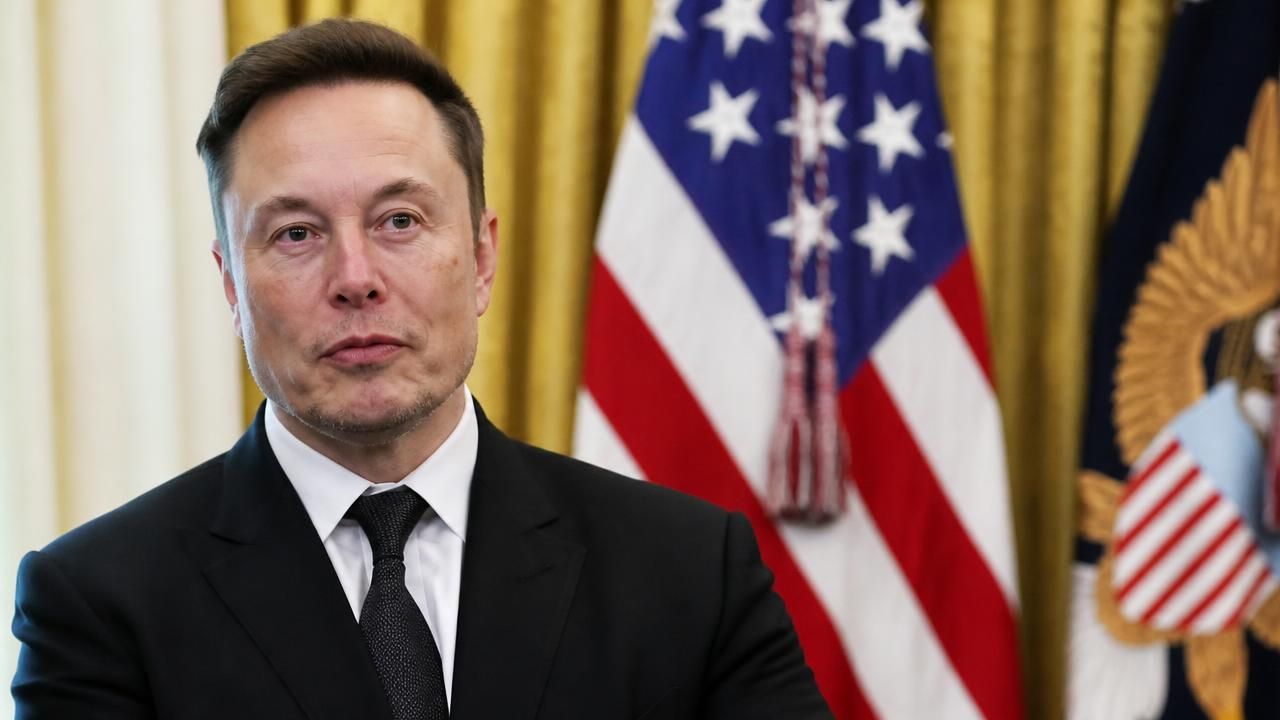
Elon Musk has quietly become the single largest known donor of the midterm election cycle, pouring at least $276 million into Republican groups since July, according to reporting by The New York Times and confirmed across a wave of coverage from CNN, The Verge, Yahoo and other outlets.
The figure makes the Tesla and SpaceX chief executive both the Republican Party's top known donor and the biggest established midterm donor overall — a striking reversal for a figure who had publicly suggested he would dial back his political spending after the previous election cycle.
“So much for doing less political spending.” — The Verge
Where the Money Is Going
The bulk of Musk's spending is concentrated in two vehicles, according to the reporting:
- $158 million directed to the Senate Leadership Fund, the primary super PAC dedicated to protecting and expanding a Republican Senate majority. That single contribution ranks among the largest political donations in American history.
- More than $76 million to America PAC, the super PAC Musk founded in 2024, which focuses on canvassing and field operations.
- The remainder spread across a range of other Republican-aligned groups and committees.
The Senate Leadership Fund's priorities give the spending a distinctly strategic edge. Among the races it is defending is the Republican Senate seat in Texas — a state that serves as a major hub for Musk's business empire, home to SpaceX's Starbase launch facility and Tesla's headquarters in Austin.
A 'Rescue Mission' Frame
Different outlets have framed the story in markedly different ways, reflecting the scale and the political sensitivity of the sum involved.
The New York Times, which broke the donor numbers, characterized the effort as a “$276 million midterm rescue mission for Republicans,” casting Musk as a financier stepping in to shore up a party facing difficult electoral headwinds. CNN emphasized his new status, describing him as “the top booster for Republicans,” while MSN's coverage stressed the word “quietly,” noting that the spending has unfolded largely below the radar of day-to-day campaign coverage. Yahoo Finance-style coverage led with the raw number, and The Verge framed the development through the lens of Musk's earlier promises of restraint.
The Detroit News and other regional outlets highlighted the super PAC's ramped-up spending in down-ballot races, suggesting the money is being deployed well beyond marquee Senate contests.
Why It Matters
The scale of the donations places Musk in a category of political megadonors rarely seen in modern American politics, and it raises familiar questions about the influence of concentrated wealth on legislative outcomes.
Musk's companies hold a sprawling set of federal interests: SpaceX contracts with NASA and the Department of Defense, Tesla's electric-vehicle tax credits and regulatory treatment, and the broad communications and national-security footprint of Starlink. A Senate majority sympathetic to those interests — particularly one that controls confirmation votes, appropriations and oversight — carries obvious practical value for a business empire of that size.
The concentration of the money also matters structurally. By routing the largest share through a single super PAC rather than dispersing it, Musk's giving functions less as broad-spectrum party support than as targeted leverage over the Senate map.
The Political Context
Musk's political evolution has been one of the most closely tracked storylines in American business and politics. Once a relatively minor donor who split contributions across both parties, he emerged in recent cycles as an increasingly vocal and partisan figure, using his ownership of X to amplify political messaging and personally campaigning alongside candidates.
His declaration that he would curtail political spending drew wide attention precisely because it seemed to signal a retreat from that posture. The $276 million figure, reported only months later, indicates the opposite.
What to Watch
Campaign finance disclosures will ultimately determine whether the reported totals are complete; super PAC filings typically lag behind private reporting and can obscure the original source of funds. Watch for:
- Whether additional donations are disclosed in filings, pushing the total higher.
- How the Senate Leadership Fund allocates its windfall across competitive races, especially Texas.
- Whether Musk's giving draws scrutiny from regulators or from lawmakers who have questioned his companies' federal contracts.
- Whether other megadonors respond with comparable spending on the Democratic side, escalating the cycle's arms race.
For now, the headline is unambiguous: the world's wealthiest person has become one of the most consequential financiers of American elections, and he is betting heavily on a Republican Senate.