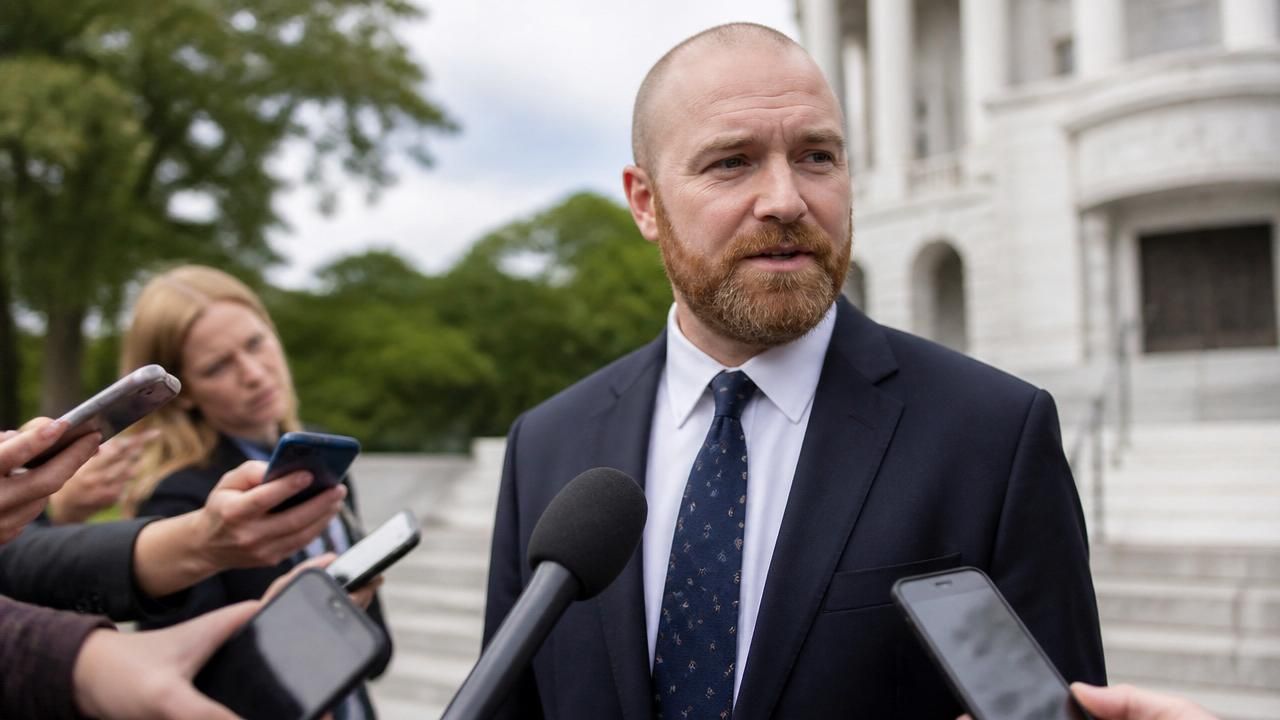
In a dramatic turn of events that has reshaped the Maine Senate race, Democratic nominee Graham Platner officially filed paperwork on Tuesday to withdraw from the contest, ending a campaign that had been dogged by controversy and mounting pressure from within his own party. Platner's decision, confirmed by multiple sources including NPR and the New York Times, came after weeks of speculation and internal strife, leaving Maine Democrats with a tight deadline to find a replacement candidate.
The Withdrawal
Platner submitted his withdrawal notice to state election officials, making his exit official. In a statement, Platner acknowledged the turmoil surrounding his campaign, saying, “People are desperate for change, and that’s why they made me the Democratic nominee. But it has become clear that I cannot be the vehicle for that change.” He added, “I intend to file my paperwork to withdraw, and I hope the party can find a strong candidate to take on Susan Collins.” His adviser, Morris Katz, expressed disappointment but confirmed the decision, stating, “We are disappointed, but Graham believes this is the right move for the party and for Maine.”
Party Scramble
The withdrawal has thrown the Maine Democratic Party into crisis mode. With the July 27 deadline to select a replacement looming, party officials are now working to identify a new standard-bearer to challenge incumbent Republican Senator Susan Collins. According to sources, the party had been preparing for this possibility, with several potential candidates being vetted behind the scenes. The scramble reflects the high stakes of the race, which is seen as a key battleground in the fight for control of the Senate.
“People are desperate for change, and that’s why they made me the Democratic nominee. But it has become clear that I cannot be the vehicle for that change.” — Graham Platner
Controversy and Pressure
Platner’s campaign had been under siege for weeks amid a series of scandals that eroded support among key Democratic constituencies. Reports of financial irregularities, questionable past statements, and a lack of organizational infrastructure had led to calls for his resignation from party leaders and activists. MSNBC’s live updates characterized his campaign as “circling the drain,” while other outlets noted that Platner’s suspension of activities came after “mounting pressure” from donors and strategists who feared his candidacy would jeopardize the party’s chances in November.
Impact on the Senate Race
Senator Susan Collins, a moderate Republican seeking a fifth term, has long been considered vulnerable in a state that has trended Democratic in recent years. However, Platner’s struggles had given Collins an unexpected boost, with some analysts suggesting that the scandal had improved her odds of holding the seat. With Platner now out, Democrats hope a fresh candidate can unite the party and present a stronger challenge. Political observers note that the party’s ability to quickly coalesce around a credible alternative will be critical.
Historical Context
Maine has a history of competitive Senate races. In 2020, Collins defeated Democrat Sara Gideon by a narrow margin, despite national Democratic investment. The state’s independent streak and ranked-choice voting system add layers of complexity. Platner’s withdrawal marks the second time in recent cycles that a Democratic nominee has stepped aside under pressure, echoing the 2018 race where a candidate withdrew after past controversial statements surfaced.
What’s Next
The Maine Democratic Party is expected to convene a special committee to select a replacement. Potential candidates include state legislators, former officials, and grassroots activists. The party must act swiftly to meet the July 27 deadline, as any delay could complicate ballot access. Meanwhile, Platner’s supporters are urging unity, while Republicans are already framing the turmoil as evidence of Democratic disarray. The race now enters a new, uncertain phase, with both parties recalibrating their strategies for what promises to be a hard-fought contest.
As the dust settles, one thing is clear: Graham Platner’s brief, tumultuous candidacy has left an indelible mark on the Maine Senate race, and the coming weeks will determine whether Democrats can turn this setback into an opportunity.