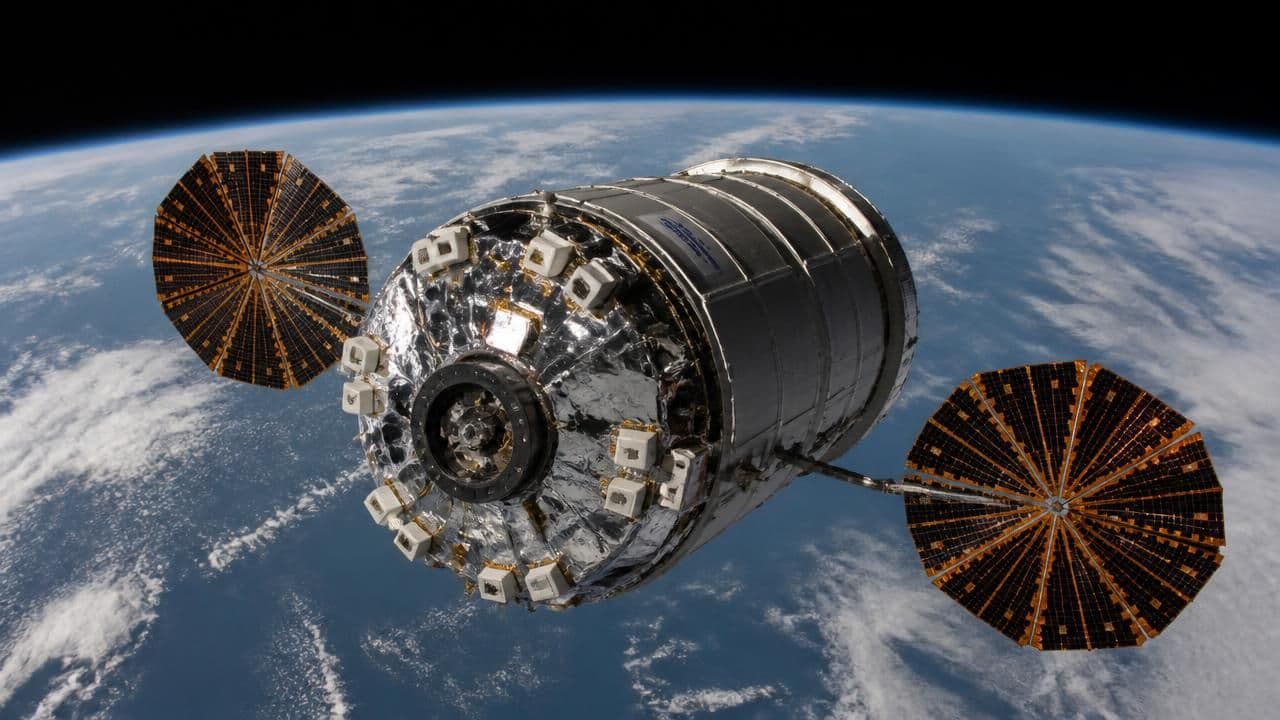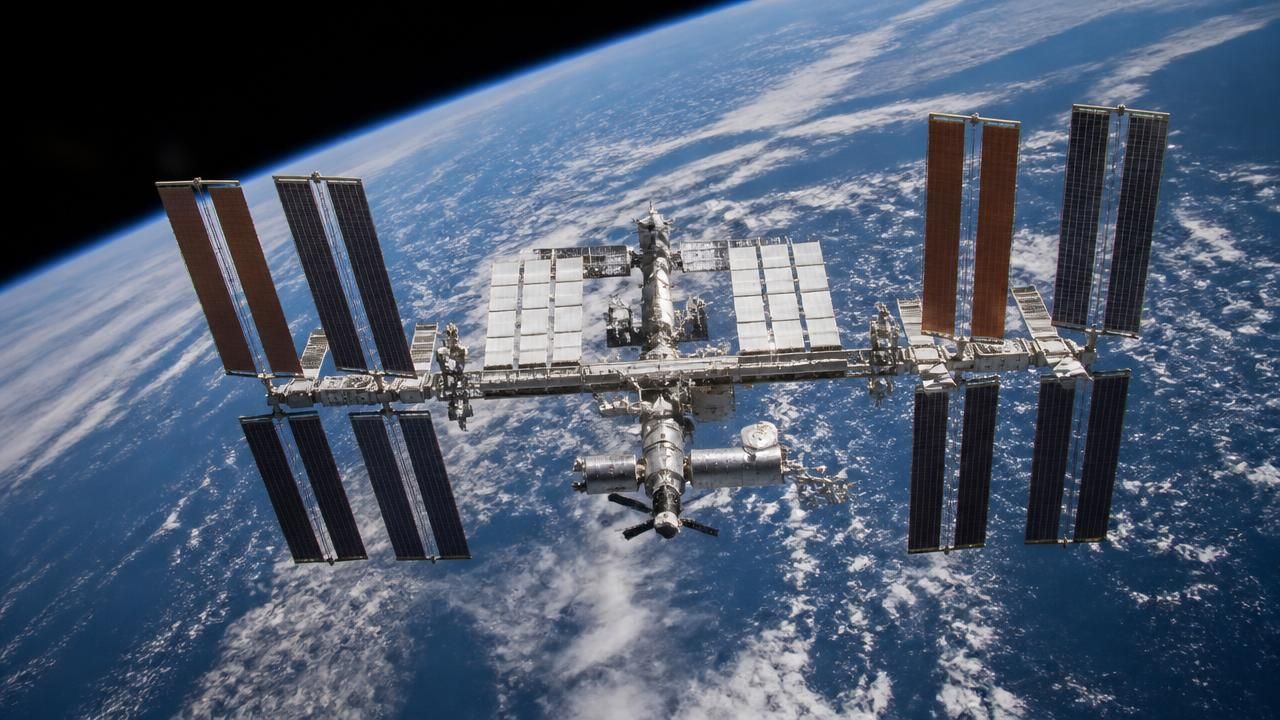
NASA on Friday released its final Request for Proposals for the next generation of commercial space stations, formally inviting American industry to design, build and operate the low Earth orbit destinations that would succeed the International Space Station. The move marks the agency's most concrete step yet toward a future in which private companies — not NASA — own and run the habitats where U.S. astronauts live and work.
“In alignment with the President’s National Space Policy, NASA is committed to maintaining a sustained American presence in low Earth orbit long after the International Space Station retires,” NASA Administrator Jared Isaacman said in announcing the solicitation. “We will continue to need a place to conduct research, develop technologies, train crews, and prepare for missions to the Moon and Mars. Commercial space stations may provide that capability while creating new opportunities for American industry and allowing NASA to concentrate more of our resources on the near-impossible missions ahead.”
Years in the Making
The RFP is the culmination of a deliberate, multi-year outreach campaign rather than a sudden pivot. NASA published two Requests for Information in March to gather industry's views on low Earth orbit destinations and transportation, then issued a draft Request for Proposals in July. That draft was followed by an industry day and a series of one-on-one meetings that let interested companies review and comment on the planned acquisition approach. The agency has framed the effort as an outgrowth of its “Ignition” event earlier this year, which brought together private-sector players to help shape NASA's long-term LEO strategy.
The underlying logic is straightforward: the ISS cannot last forever. Its retirement would leave the United States without a crewed orbital outpost unless commercial replacements are ready in time. NASA's stated position is that it will not cede its presence in low Earth orbit, even as it hands over day-to-day operations to industry.
The Dragon Dilemma
Yet the RFP lands in the middle of a thornier problem that has dominated recent coverage. Ars Technica framed the situation bluntly in a piece titled “NASA has a Dragon dilemma, and there appear to be no good answers,” while The Tennessean reported on an uncertain future for the agency as SpaceX plans to retire the Falcon 9 rocket and its Dragon capsule.
Dragon is currently NASA's only certified American vehicle for ferrying crews to and from the International Space Station. If SpaceX winds down Falcon 9 and Dragon as it shifts focus to its next-generation Starship system, NASA could face a gap in crew transportation at precisely the moment it is asking industry to build new stations. The agency's commercial crew strategy was designed around redundancy, but that redundancy has been slow to materialize.
Starliner's Long Road Back
The second leg of that strategy is Boeing's CST-100 Starliner, which has yet to complete a routine operational crew rotation. According to Brownswire/USA Today, Starliner's next launch may not occur until December, following years of technical setbacks and schedule slips. The spacecraft's first crewed test flight in 2024 returned without its astronauts aboard after propulsion issues, and Boeing has since absorbed mounting losses on the program.
The prospect of Dragon retiring before Starliner is fully certified, and before any commercial station is operational, has created what Ars Technica characterized as a dilemma with no good answers. NASA has not publicly detailed contingency plans for a crewed transportation gap.
Training for a Different Kind of Station
Behind the procurement paperwork lies a workforce question. If NASA becomes one tenant among several aboard privately operated stations, astronaut training must change. Yahoo readers encountering the question “How will NASA's astronaut training hub change with commercial space stations?” are touching on a real shift: crews may train alongside commercial operators, foreign partners and private researchers rather than in a NASA-only pipeline modeled on the ISS. That has implications for the Johnson Space Center, for international partnership agreements, and for how the agency defines mission readiness.
The Orbital Debris Wild Card
Wikinews has covered a parallel concern under the headline “Out of space in outer space” — a special report on NASA's space junk plans. Orbital debris is a structural risk for any future station. Collision avoidance, shielding standards and deorbit requirements will all shape how commercially viable a private station can be, particularly if insurers balk at the risk. Any credible proposal will need a debris mitigation plan alongside its habitat design.
What Comes Next
- Proposals: Industry has until the deadline set in the final RFP to submit designs for commercial LEO destinations.
- Transportation: NASA must resolve how crews reach those stations if Dragon retires and Starliner remains delayed.
- Timing: The commercial stations must be operational before the ISS is deorbited, or the U.S. risks a gap in continuous human presence in orbit.
- Competition: China's Tiangong station remains operational, adding geopolitical weight to the timeline.
NASA's bet is that competition among private providers will drive down costs and accelerate innovation, just as it did for cargo and crew launches. The counterargument — increasingly visible in outlets covering the agency's vulnerabilities — is that the same commercial dependency that makes the strategy affordable also makes it fragile. With the ISS's retirement on the horizon, the gap between ambition and capability is now measured in launch dates, certification milestones and orbits.