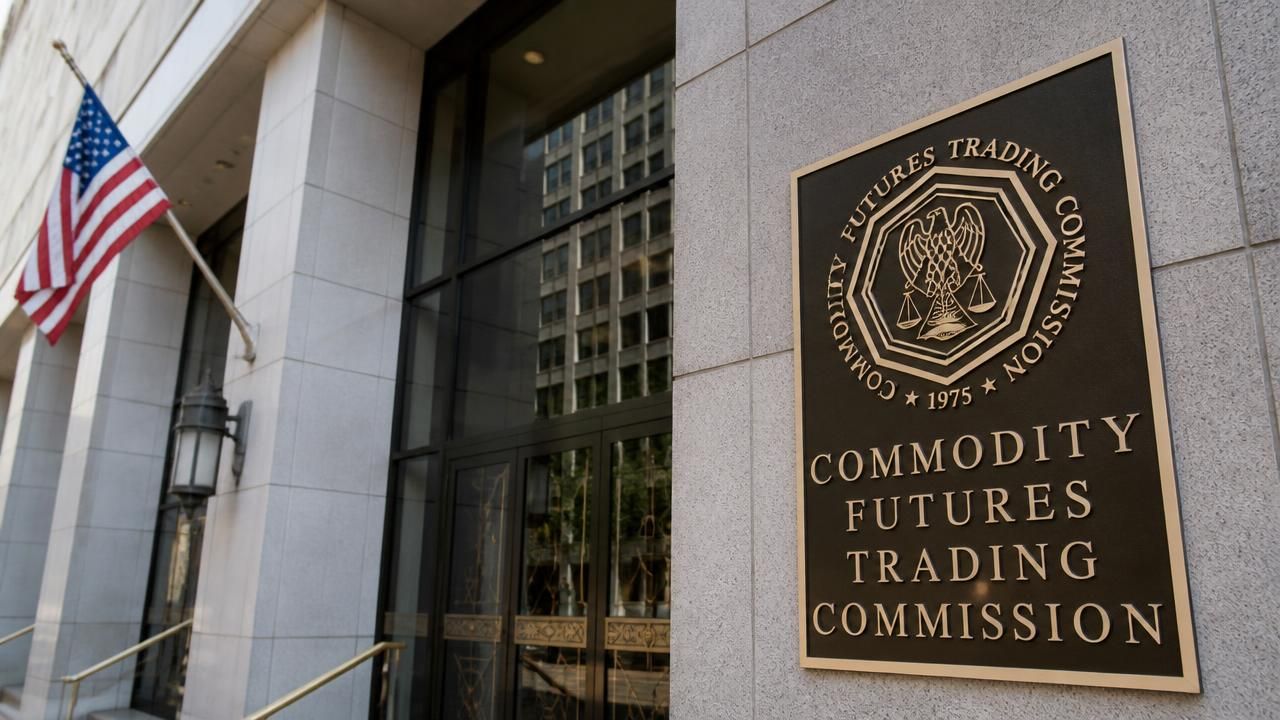
The same agency that is being asked to write the rulebook for two of the fastest-growing corners of finance is, by multiple accounts, getting smaller. As crypto trading expands onto mainstream online platforms and prediction markets surge in popularity among individual traders, the U.S. Commodity Futures Trading Commission finds itself in an uncomfortable position: tasked with drawing up new rules while its staffing and enforcement actions have fallen sharply during the second Trump administration, according to NPR Politics.
The paradox sits at the center of a broader realignment in how the digital-asset industry, its regulators, and its customers are interacting — a shift that is playing out differently in Washington, Brussels, and on retail trading apps.
A Regulator Asked to Do More With Less
NPR's reporting frames the story around a simple tension: the CFTC's mandate is expanding at precisely the moment its capacity appears to be contracting. Enforcement actions, a key measure of how aggressively an agency polices its markets, have dropped precipitously, even as the agency works to formalize rules for crypto derivatives and event-based prediction contracts.
That combination — light enforcement plus heavy rulemaking — has drawn scrutiny from consumer advocates who argue that the agency is being reshaped rather than reformed. The CFTC did not dispute the decline in staffing and enforcement activity, and the trajectory raises an obvious question for market participants: who polices the products once the rules are written?
Prediction Markets Are the Hot Product. Crypto Is Not.
For many individual traders, the enthusiasm is asymmetric. Reporting from MSN and others suggests that prediction markets — platforms where users wager on the outcome of elections, economic data, sports, and even cultural events — have captured retail attention far more effectively than spot crypto trading has in the current cycle. The appeal is intuitive: binary, event-driven contracts are easier to understand than tokenomics, and their payouts are tied to news cycles rather than to volatile asset prices.
But that popularity has brought its own problems. CoinGeek, summarizing the emerging debate, put the question bluntly in its own headline:
"Prediction markets behaving badly, but will regulators act?"
The concern among critics is that event contracts can shade into unregulated gambling, that they can be manipulated by well-capitalized participants, and that their resolution criteria are often opaque. If enforcement capacity is declining, those concerns become harder to address.
Robinhood Places Its Bets
The commercial response has been swift. Robinhood has taken stakes in Crypto.com and OG.com as part of a prediction markets deal, according to Cointelegraph and Seeking Alpha, a move that signals how seriously major retail brokerages view event-based trading as a growth engine. For Robinhood, which built its brand on commission-free equities and options, prediction contracts represent a natural extension: a high-engagement, high-frequency product that keeps users opening the app daily.
The partnerships also illustrate a strategic blurring of lines. Crypto exchanges are moving into event markets; brokerages are moving into crypto; and both are positioning themselves for a regulatory environment that may be permissive in Washington but considerably less so in Europe.
Europe Draws a Harder Line
That transatlantic divergence is becoming the defining feature of the story. The European Securities and Markets Authority (ESMA) has warned that growing ties between crypto markets and traditional finance could amplify systemic risk, flagging spillover effects and explicitly calling out prediction market risks, according to CoinTelegraph.
CoinDesk reported that Europe's top regulator is questioning how Polymarket and Kalshi — two of the largest prediction-market operators — access EU customers, warning of authorization gaps. In other words, while U.S. policymakers debate how to write the rules, European regulators are asking whether the platforms are operating legally in their jurisdiction at all.
The contrast is stark. Washington appears to be loosening its grip while writing new standards; Brussels appears to be tightening its grip while questioning existing market access. For platforms operating globally, that means two compliance regimes pulling in opposite directions.
The Industry Learns to Love the Regulator
Perhaps the most notable shift is cultural. Decrypt captured it in a headline that doubles as a thesis:
"How Crypto Stopped Waiting for Congress and Learned to Love the Regulators."
The framing reflects a maturing industry that has concluded legislative gridlock is worse than regulatory clarity. Rather than lobbying for statutes that may never arrive, major players increasingly engage directly with agencies — the CFTC, the SEC, and their foreign counterparts — to shape rules from the inside.
That strategy carries risk. It ties the industry's fortunes to the personnel and priorities of whichever administration is in power. A shrinking enforcement division can look like permission today and like a vacuum tomorrow.
What to Watch
- CFTC rulemaking timeline: Whether new crypto and event-contract rules arrive with meaningful enforcement behind them.
- ESMA's next move: Whether European scrutiny of Polymarket and Kalshi escalates into formal restrictions on EU access.
- Retail behavior: Whether prediction markets continue to outdraw crypto among individual traders, and how that reshapes brokerage product roadmaps.
- The Robinhood partnerships: Whether stake-taking becomes a template for consolidation across crypto and event trading.
The through-line across all nine sources is a market moving faster than the institutions meant to oversee it — and two major jurisdictions choosing opposite answers to the same question. The United States is loosening the leash while drafting new rules. Europe is tightening it while auditing who is already inside the gate. For traders, the product has never been more accessible. For regulators, the question is whether they still have the tools to matter.