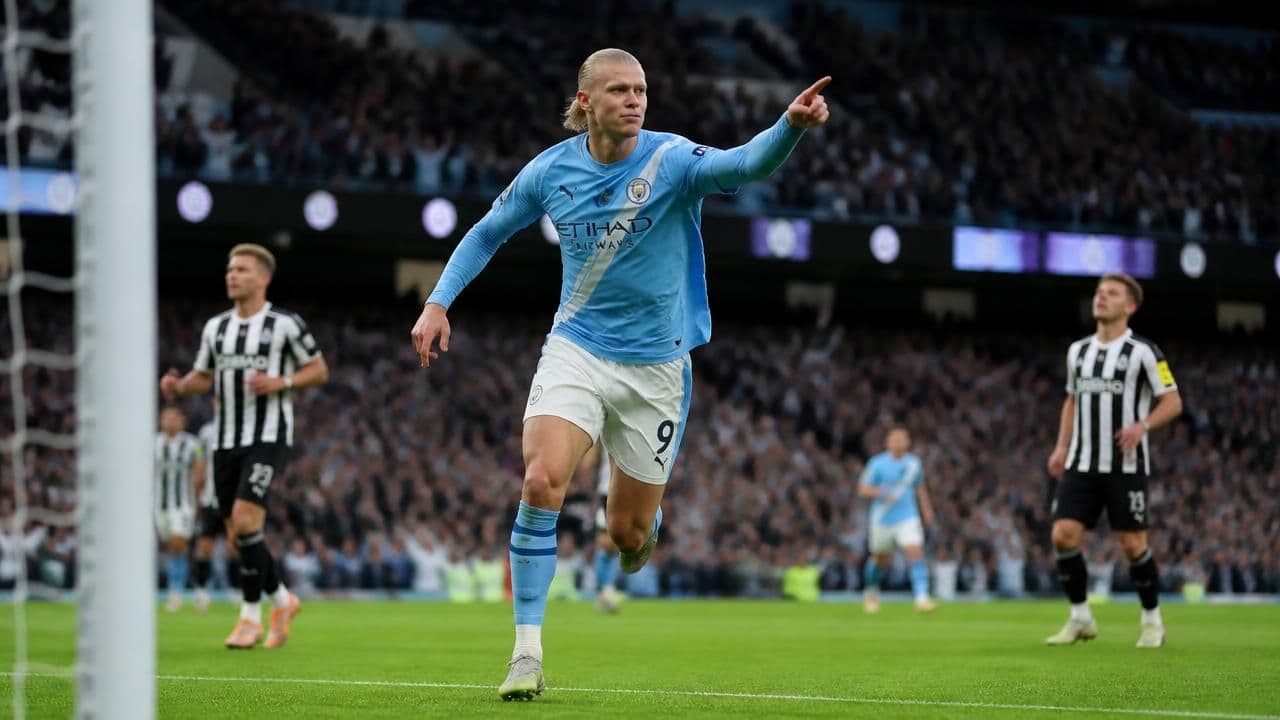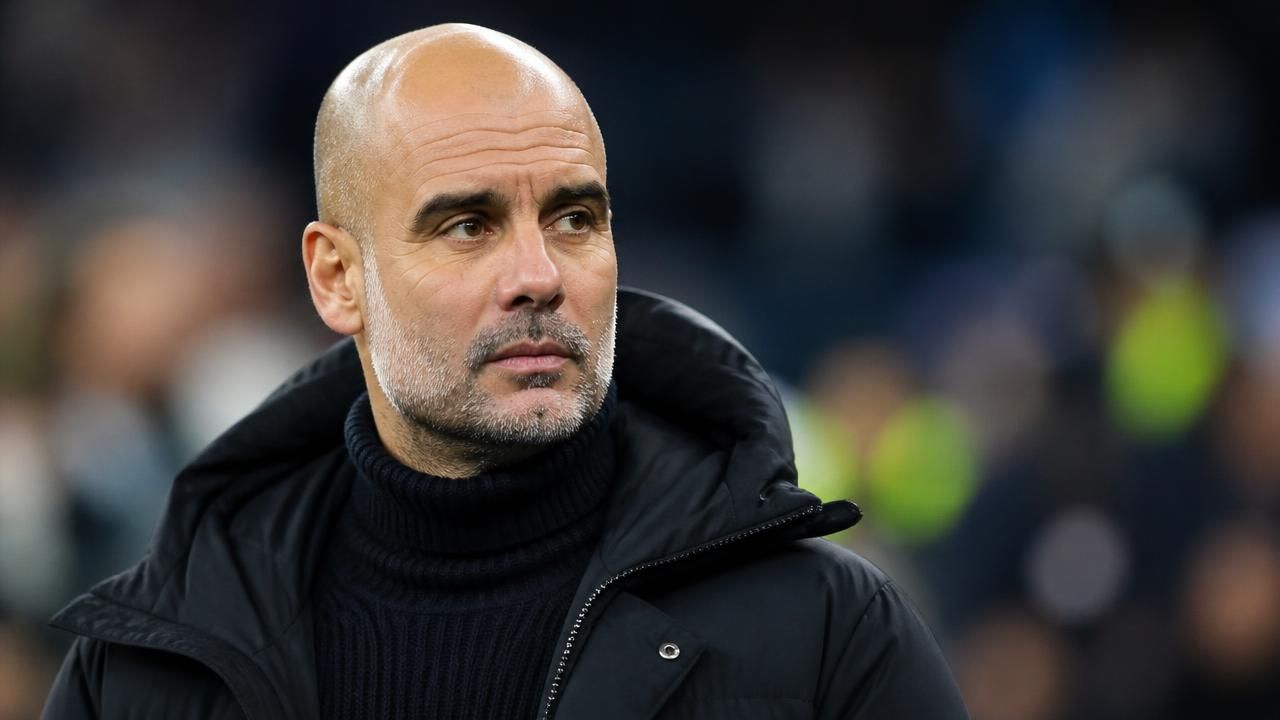
Pep Guardiola is expected to return to the Etihad Stadium next week for Manchester City's Champions League meeting with Paris Saint-Germain, according to multiple reports — a visit that will make him the most prominent figure present at the club's first home fixture since it was found guilty of the majority of the 115 charges brought against it by the Premier League.
The appearance, reported in near-identical terms by the BBC, the Daily Mail, MSN and Sportskeeda, is being characterised in almost every account as less a footballing occasion than an act of allegiance. Guardiola, the most decorated manager in City's history, has not been at the Etihad since the summer, and his decision to attend now — days after the verdict landed — has been read across the football world as a deliberate statement of support for a club facing the gravest sanctions of the modern era.
The Return to the Etihad
According to BBC Sport, Guardiola "is expected to attend" the PSG tie, described as the club's "first home match since they were found guilty of the majority of the 115 charges brought against them by the Premier League." A second BBC report framed the story more baldly still, identifying the Catalan as the "former Manchester City manager" and confirming the fixture as the Champions League tie with the French champions.
The Guardian's news feed was not alone in distilling the story to its essentials; several syndicated versions carried only the bare headline "Guardiola 'set for Etihad return' in show of Man City solidarity," an indication of how quickly the narrative has settled around a single, unambiguous theme.
One report suggested the timing of the visit would follow City's domestic fixture against Liverpool, placing Guardiola back inside the stadium he called home for the better part of a decade in the same week that the Champions League resumes at the ground.
A Club Under a Cloud
The verdict — a finding of guilt on the majority of the 115 charges — represents the most significant regulatory ruling in the history of the English top flight. The charges, brought by the Premier League after a four-year investigation, spanned allegations relating to financial reporting, the provision of accurate information and the club's dealings with sponsors over roughly a decade.
City have consistently denied wrongdoing, and the outcome of the case is expected to be followed by a separate and fiercely contested phase: the question of sanction. Possible penalties are widely understood to include a substantial points deduction, restrictions on transfers, or, in the most severe reading, expulsion from the competition. The club's legal team has signalled its intention to pursue every available avenue of appeal, meaning the footballing consequences could take months or years to fully materialise.
"Legendary former boss to pay visit to the Etihad for the first time since summer" — Daily Mail
That phrasing, published by the Daily Mail before its article page became inaccessible, captures the tone adopted by much of the British press: the story not of a manager attending a match, but of a patriarch returning to a besieged institution.
How the Story Was Framed
The framing differences between outlets are subtle but revealing.
- BBC News led with the fixture itself, anchoring the story in fact: which match, which night, which competition. The verdict is stated neutrally as context.
- The New York Times, which carries the story under a straightforward headline naming both clubs and the competition, treats the event as an international sports curiosity rather than a domestic crisis.
- MSN's syndicated coverage leaned hardest on the emotional register, using "show of solidarity" and "new show of support" in its headlines.
- Sportskeeda opted for the language of surprise — a "surprise Manchester City visit" — underlining how unusual Guardiola's absence from the Etihad has been.
Several aggregator versions of the story carried no body text at all, publishing only the headline and a redirect. The effect is a news cycle in which the headline does the interpretive work: the reports collectively presume that anyone reading already knows the verdict, the charges and the stakes.
Guardiola's Legacy and What Comes Next
Guardiola's association with Manchester City is the defining partnership of the Premier League's recent history. Under him the club won an unprecedented run of domestic titles and, finally, the Champions League — the trophy that had eluded it for a generation and that ultimately validated the project launched after the Abu Dhabi takeover in 2008.
That legacy is now entangled with the verdict. For supporters, the expectation that Guardiola will take his seat for the PSG tie is a symbolic rebuke to the club's critics. For others, it raises an uncomfortable question: how much of that success was built on the conduct the independent panel has now condemned?
Neither Guardiola nor the club has issued a formal statement about the visit, and representatives did not respond publicly to the reports. What is clear is that next week's fixture will be about far more than three points in a revamped Champions League format. Cameras will find Guardiola in the stands; chants will follow; banners are being prepared. The Etihad, for one night, becomes a courtroom, a rally and a football match all at once.
Beyond that night, the harder questions remain: what sanction follows, how the club's squad and transfer strategy absorb it, and whether the man whose name is synonymous with City's rise becomes, in the eyes of history, its most visible defender — or its most awkward witness.