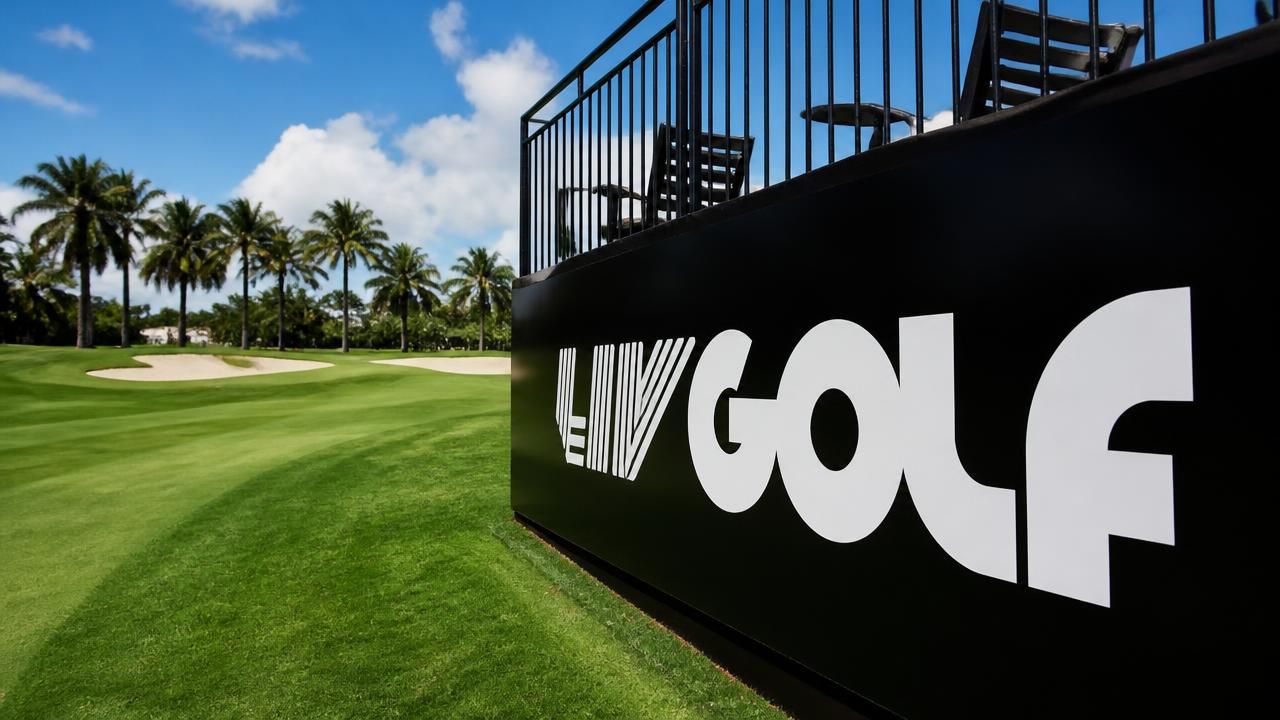
LIV Golf, the upstart circuit that upended professional golf with Saudi sovereign wealth money, has been handed a potential path out of insolvency. The tour has secured a financing commitment of as much as $300 million from BC Partners Credit, the credit arm of the private equity firm BC Partners, according to Bloomberg — funding that could be enough to mount a 2027 season.
The commitment arrives at the bleakest moment in LIV's short history. Bloomberg characterized the circuit as a "bankrupt golf tour backed by Saudi Arabia's sovereign wealth fund," while London's LBC framed the same development bluntly: "LIV Golf gets $300M lifeline for 2027 relaunch after Saudi funding was pulled."
A Lifeline, Not a Rescue
The headline number — up to $300 million — is modest by the standards of LIV's earlier ambitions. The tour spent its first years signing major champions to nine-figure deals and bankrolling record purses in an explicit bid to challenge the PGA Tour's dominance. That strategy was funded by Saudi Arabia's Public Investment Fund, which reportedly committed billions to the venture.
What has changed is the source of the money. With PIF funding pulled, LIV is now turning to private credit — a corner of the market that has grown rapidly as banks retreat from higher-risk lending. BC Partners Credit's involvement signals a shift from sovereign patronage to conventional, return-seeking finance, with all the discipline that implies.
Still, the commitment is not a completed deal. Bloomberg described it as a financing commitment "of as much as" $300 million — language that leaves room for conditions, tranches and a smaller final sum.
The Bankruptcy Math: Owing the Stars
The most uncomfortable questions concern the players. The Cincinnati Enquirer reported that LIV's bankruptcy filing "shows tour owes its stars millions" — an acknowledgment that the very athletes recruited to legitimize the tour are now among its largest creditors. USA Today's framing was pointed: "Will LIV Golf survive its bankruptcy filing? It's up to the players."
That is not merely rhetorical. In insolvency proceedings, the cooperation of major creditors can determine whether a debtor restructures or liquidates. If LIV's marquee names — the captains and major champions whose contracts anchor the roster — refuse to renegotiate, the new financing may be insufficient to satisfy claims and simultaneously build a competitive 2027 schedule.
Competing Narratives
The sources covering the story do not agree on precisely where LIV stands, and that divergence is itself telling.
- Bloomberg treats the bankruptcy as established fact and emphasizes the capital markets angle: a distressed asset attracting private credit.
- LBC highlights causality — the Saudi money stopped, therefore the lifeline — and centers the 2027 relaunch as the prize.
- USA Today shifts agency to the players, suggesting the tour's survival depends on athlete concessions.
- Cincinnati.com foregrounds the creditor list, making visible who is owed what.
- MSN aggregates a report indicating LIV was "weighing bankruptcy as player settlements, future funding remain unresolved" — a softer framing that suggests the process may still have been exploratory rather than final.
Read together, the coverage describes a tour that is simultaneously insolvent, bankrolled, and negotiating. None of those descriptions is wrong; they simply reflect different vantage points on a restructuring that is still in motion.
How It Came to This
LIV launched in 2022 with a shock-and-awe playbook: enormous guaranteed contracts, 54-hole team events, and a schedule built to collide with the PGA Tour's calendar. It triggered antitrust scrutiny, litigation, and a cadre of defections that reshaped the sport's labor market.
In June 2023, the PGA Tour, the DP World Tour and PIF announced a framework agreement meant to unify the professional game. That deal was never completed, and the intervening period has been marked by stalled negotiations, congressional scrutiny of Saudi investment in American sport, and mounting questions about LIV's commercial viability.
Even a domestic broadcast deal with Fox Sports could not bridge the gap between LIV's spending and its revenue. The tour's business model depended on external capital, and when that capital paused, the structure began to fail.
What Happens Next
Three questions will determine LIV's fate.
- Do the players settle? Creditor cooperation is the single biggest variable. Player settlements must be resolved before new money can be deployed cleanly.
- Does the $300 million close? A commitment is not cash. Diligence, conditions and seniority in the capital stack will shape the final figure.
- Does anyone still want to watch? A 2027 season requires a roster, a broadcast partner and fan interest — all of which have eroded during the turmoil.
"It's up to the players." — the framing used by USA Today captures the unusual position of a tour whose stars are now simultaneously its product and its creditors.
The Wider Signal
For the finance industry, LIV is a case study in what happens when sovereign-backed ventures meet private credit markets. For golf, it is the reckoning of a four-year experiment that forced the sport to confront how much of its future it was willing to sell — and to whom.
BC Partners Credit may yet fund a relaunch. But the era in which LIV Golf could spend without consequence appears to be over.