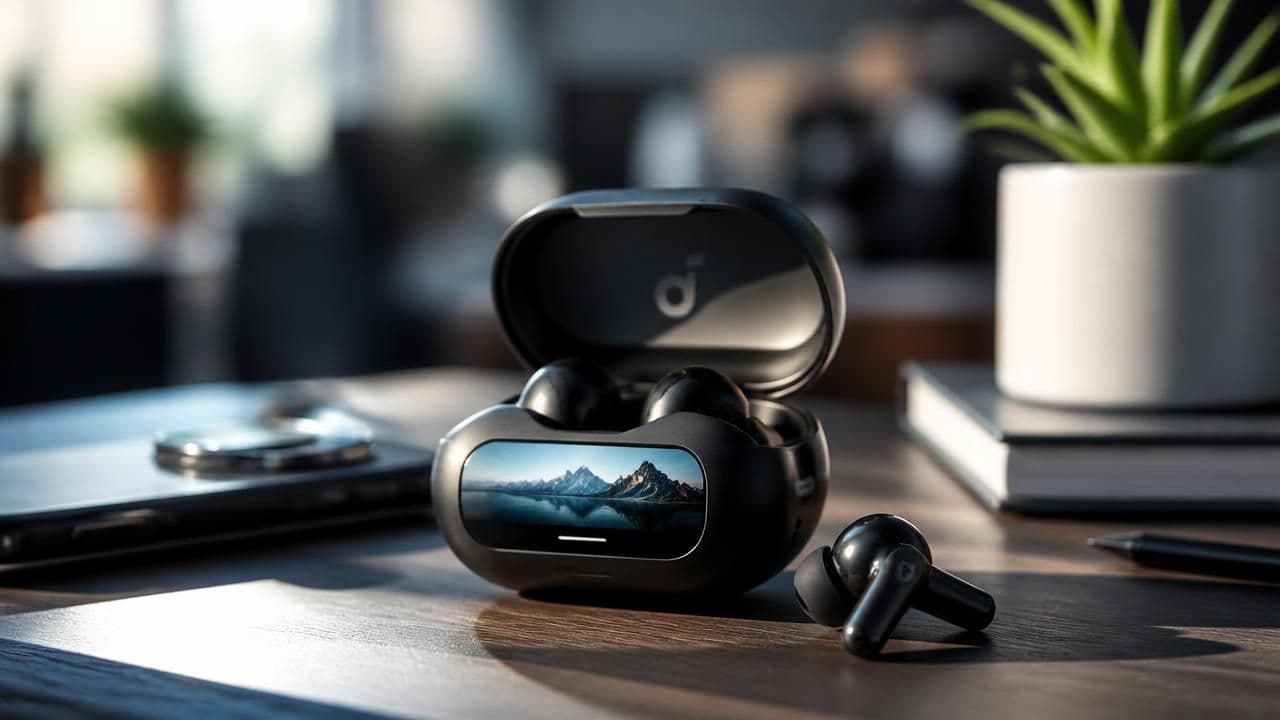
For nearly as long as consumers have owned gadgets, the rules were simple: a device with a microphone or a camera was either recording or it wasn't. There was an off switch, a red light, a beep. The data it captured was a preserved instant in time — saved locally, perhaps sent to the cloud for processing, but a recording nonetheless.
That assumption is now under sustained pressure from the AI hardware boom. In a widely circulated commentary, The Verge argued that technology companies are effectively pushing to change what the word "recording" means, carving out gray areas where always-on sensors gather ambient data without the act being classified as capture at all.
"Microphones capture sound. Cameras capture images. That data is saved onto a device. Sometimes, it's also sent to the cloud — hopefully with end-to-end encryption — for processing. That data is a preserved instant in time and is therefore a recording," the publication wrote. "Perhaps not anymore."
The Apple Rumor at the Center of the Debate
The catalyst, according to the report, is Apple's rumored work on a smart home device. Bloomberg's Mark Gurman reported that the company is developing hardware that would lean heavily on continuous sensing — the kind of ambient awareness that AI assistants need in order to be useful without being explicitly summoned.
The technical rationale is straightforward. A device that only wakes on a keyword misses context. A device that constantly builds a local, ephemeral model of its surroundings can answer questions, recognize faces, and anticipate commands. Apple, which has staked its public reputation on privacy marketing, is likely to argue that such processing happens on-device and that nothing is retained — therefore, nothing is "recorded."
Critics counter that the distinction is semantic, not technical. Ephemeral processing still requires a sensor to be active, a buffer to exist, and a vendor to define what counts as retention. The Verge's framing captures the concern precisely: if companies can redefine the vocabulary, they can sidestep the consent expectations that vocabulary carried.
Apple's Long History of Framing the Narrative
This is hardly the first time Apple has introduced a category-defining device with a carefully managed privacy story. The company's product unveilings — from successive generations of iPods to the Apple TV set-top box, alongside major updates to iOS and iTunes — have repeatedly set the template for how the industry talks about new hardware. Each launch bundled a capability with a narrative: the iPod was your music, the Apple TV was your living room, the iPhone was your life, and in each case the company controlled how the device's data collection was described.
What has changed is the stakes. A music player stored songs. An always-on ambient assistant potentially stores the room. As AI features migrate from phones into homes, cars, and wearables, the vocabulary Apple chooses will likely become the vocabulary regulators and competitors adopt.
Why the Framing Fight Matters
Legal regimes in the United States and Europe are built around discrete concepts: consent to record, notification of recording, retention limits on recordings. If a device's output is characterized as a transient inference rather than a recording, many of those obligations become ambiguous.
- Consent: Two-party consent laws in states such as California and Illinois hinge on whether a conversation was captured.
- Discovery: Records retention rules assume stored data exists and can be subpoenaed.
- Advertising: Ambient data that is "not a recording" may still feed personalization systems.
- Security: Buffers and caches are attack surfaces, whether or not a vendor calls the contents a recording.
Privacy advocates argue that the functional question — is data about me being generated and used? — should govern, not the label attached to it. Industry representatives respond that on-device processing with no retention is genuinely different from uploading audio to a server, and that conflating the two would cripple useful assistive features.
How the Coverage Differs
The story illustrates a broader split in tech journalism. Trade and consumer outlets like The Verge tend to lead with the normative question — should companies be allowed to redefine terms? — and treat product rumors as evidence in an argument about power. Financial and general-interest outlets more often lead with the product itself: what Apple is building, when it ships, and what it means for revenue. Meanwhile, long-form interview formats continue to document the wider ecosystem; Wikinews, for instance, has published extended Q&As with figures ranging from X PRIZE Foundation senior director William Pomerantz to legal scholar Lawrence Douglas to niche web operators, reflecting how the same news cycle carries both incremental gadget news and deeper conversations about law, science, and accountability.
The Wikinews archive also preserves earlier Apple milestones, including the rollout of new iPods, Apple TV hardware, and iOS and iTunes updates — a reminder that each generation of Apple hardware arrived with a fresh set of assumptions about what the device collects and keeps.
What to Watch
Three things will determine whether the redefinition sticks. First, Apple's own language at launch: whether the company uses the word "recording" at all, and whether it commits to technical guarantees such as local-only processing and hard buffer limits. Second, regulatory response: whether the FTC, state attorneys general, or European data protection authorities treat ambient inference as a regulated category. Third, competitor behavior: if Apple normalizes the gray area, Google, Amazon, and a wave of AI hardware startups will almost certainly follow.
The debate is not really about semantics. It is about whether the public gets to keep the simple mental model — on or off, recording or not — that has governed a century of audio and video technology. As The Verge put it, the industry's move amounts to asking consumers to accept that a device with a microphone may be listening without anything being recorded. Whether courts, regulators, and buyers accept that reframing is the open question of the next hardware cycle.